
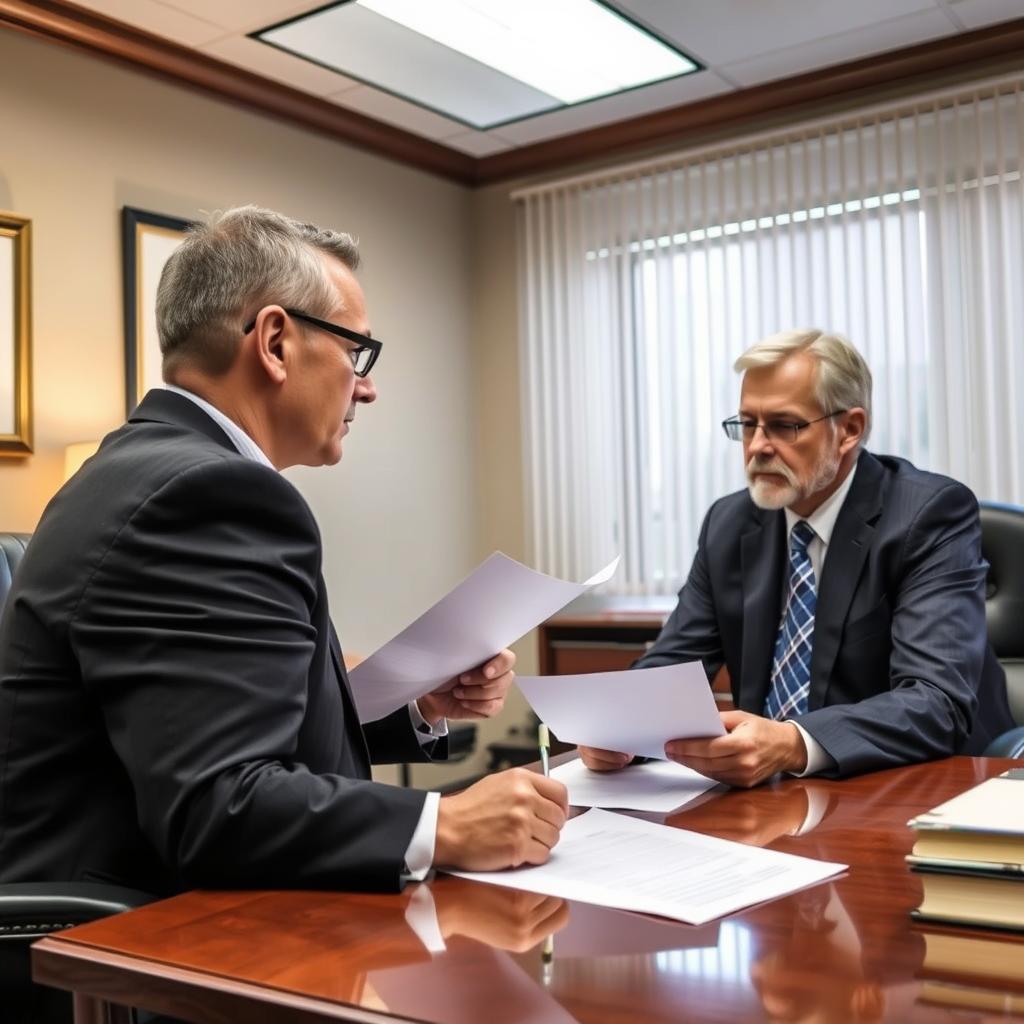
Adultery Divorce Lawyer Dinwiddie County, VA
You discovered that your spouse has been unfaithful, and now you are facing the painful reality of filing for divorce in Dinwiddie County, Virginia. The emotional toll is heavy, but Virginia law recognizes adultery as a fault ground for divorce, and establishing fault can meaningfully influence property division, spousal support, and the overall direction of your case. When you are ready to move forward, having an attorney who understands the courts of Dinwiddie County and the Eleventh Judicial District can help you take methodical steps. Law Offices Of SRIS, P.C. represents individuals throughout Dinwiddie County, including Dinwiddie and McKenney, in fault-based divorce matters. Reach our firm at (888) 437-7747 to request a consultation. Law Offices Of SRIS, P.C. – Advocacy Without Borders.
What Adultery Means for Your Divorce in Dinwiddie County
Adultery is one of the fault grounds for divorce from the bond of matrimony under Virginia Code § 20-91(1). When a spouse has committed adultery, the innocent spouse may seek an immediate divorce without the mandatory separation period that applies to no-fault cases. In Dinwiddie County, all divorce proceedings are filed in the Dinwiddie County Circuit Court, located at the Dinwiddie Courthouse, Dinwiddie, VA 23841. The Circuit Court has exclusive original jurisdiction over divorce actions, while matters involving child custody, visitation, or support that arise without an accompanying divorce are handled by the Dinwiddie County Juvenile and Domestic Relations District Court.
Proving adultery requires clear and convincing evidence. Virginia courts do not require direct eyewitness testimony, but the evidence must show both the opportunity and the inclination to commit adultery. Circumstantial evidence, such as documented communications, hotel records, or financial transactions, can be sufficient when the facts point persuasively toward misconduct. Because adultery is an intensely fact-specific ground, the approach to building the evidentiary record matters from the earliest stages of the case. Mr. Sris and his Of Counsel work with individuals in Dinwiddie County to evaluate whether an adultery-based divorce is the appropriate path and to present the case in a manner consistent with Virginia procedural requirements.
How the Adultery Finding Can Affect Your Case
Virginia is an equitable distribution state, not a community property state. Under Virginia Code § 20-107.3, the court divides marital property based on eleven statutory factors, including the circumstances and factors that contributed to the dissolution of the marriage. When adultery is proven, it may be considered as a factor weighing against the adulterous spouse. In some instances, an adultery finding can bar an award of spousal support to the spouse who committed adultery, though the court retains discretion to consider the overall financial circumstances of both parties. The interplay between fault-based divorce grounds and financial outcomes is something Mr. Sris and his Of Counsel evaluate carefully in every matter they handle.
What to Expect in Dinwiddie County Circuit Court
Filing a divorce complaint in Dinwiddie County involves submitting the complaint to the Clerk of the Circuit Court, serving the complaint on the other spouse, and proceeding through the court’s calendar. The Dinwiddie County Circuit Court, part of the Eleventh Judicial District, operates Monday through Friday. While every case follows its own timeline, contested divorce actions generally require more court appearances and discovery than uncontested matters. When adultery is alleged, discovery may involve depositions, subpoenas for electronic records, and other investigative steps aimed at substantiating the grounds. Throughout the process, the court may schedule pendente lite hearings to address temporary custody, support, or use of the marital residence.
Mr. Sris and his Of Counsel have appeared in Virginia courts for family law matters and are familiar with the practices of the Dinwiddie County Circuit Court. They work to organize the evidence methodically, present arguments in conformity with Virginia procedural rules, and advocate for an equitable resolution.
About Mr. Sris and His Of Counsel Team
Mr. Sris, Owner and Founder of Law Offices Of SRIS, P.C., has practiced since 1997 and is admitted in Virginia, Maryland, the District of Columbia, New Jersey, and New York. A former prosecutor, he brings a distinctive understanding of courtroom dynamics to family law matters. Mr. Sris and his Of Counsel bring over 120 years of combined legal experience and have achieved over 4,739+ documented firm-wide results. Results may vary.
The firm’s Of Counsel attorneys are experienced in family law and contribute to case strategy, document preparation, and court appearances. All work is handled under Mr. Sris’s supervision, ensuring coordinated representation for clients across the firm’s jurisdictions.
Frequently Asked Questions
What is an adultery divorce in Virginia?
An adultery divorce is a fault-based dissolution of marriage granted when one spouse can prove the other spouse committed adultery. Under Virginia Code § 20-91(1), adultery is a ground for divorce from the bond of matrimony. Unlike no-fault divorces that require a separation period of six months or one year, a divorce based on adultery can be granted without any waiting period once the evidence is presented. The court requires clear and convincing evidence, which may consist of circumstantial proof that establishes both opportunity and inclination. This ground can impact property division and spousal support, making it a significant strategic choice in a Dinwiddie County divorce case. For guidance on your specific situation, reach Law Offices Of SRIS, P.C. at (888) 437-7747.
How does adultery affect property division in Virginia?
Adultery can affect equitable distribution by influencing the court’s analysis of the factors under Virginia Code § 20-107.3. The court considers which party’s conduct contributed to the dissolution of the marriage. When adultery is proven, the court may award a larger share of the marital estate to the innocent spouse, though Virginia law does not mandate a fixed percentage shift. The outcome depends on the specific financial picture, the duration of the marriage, and the other statutory factors. Because this is a fact-sensitive determination, having experienced counsel to frame the evidence can be important to the result the court reaches.
Can I get spousal support if my spouse committed adultery?
Generally, a spouse who proves the other spouse committed adultery may still seek spousal support, while the adulterous spouse may be barred from receiving it. Under Virginia Code § 20-107.1, the court weighs a list of factors, and adultery is a factor that can eliminate an award to the spouse who committed the adultery. However, the court may still consider the needs and resources of the innocent spouse. Each case is evaluated on its own facts, and an attorney can explain how the Dinwiddie County Circuit Court typically approaches these determinations. To discuss the details of your matter, contact Law Offices Of SRIS, P.C. at (888) 437-7747.
Do I need an attorney for an adultery divorce in Dinwiddie County?
You are not legally required to have an attorney, but representing yourself in a fault-based divorce that involves proving adultery presents substantial challenges. Establishing adultery requires gathering admissible evidence, navigating procedural rules, and making legal arguments that comply with Virginia law. A misstep in presenting evidence or a failure to meet the burden of proof can result in the court not granting the divorce on the fault ground, which may delay the case and affect the financial outcome. Mr. Sris and his Of Counsel have experience with adultery-based divorces and can work to build the necessary record. For a consultation, reach Mr. Sris and his Of Counsel at (888) 437-7747.
What is the residency requirement for filing in Virginia?
At least one party must have been a resident and domiciliary of Virginia for six months immediately before filing the divorce complaint. This requirement, found in Virginia Code § 20-97, applies to all divorce actions, including those based on adultery. If you or your spouse meet this threshold and the adultery occurred within the marriage, you can file in Dinwiddie County if the jurisdictional requirements for the court are also satisfied. The Richmond Location of Law Offices Of SRIS, P.C. serves clients throughout Dinwiddie County, and consultations can be arranged by appointment.
Reach Law Offices Of SRIS, P.C. – Contact Us
Our Richmond Location represents clients at the Dinwiddie County courts. Contact us at (888) 437-7747 for directions and appointment scheduling. Free parking is available at our location. Our firm’s Richmond address is 7400 Beaufont Springs Drive, Suite 300, Room 395, Richmond, VA 23225. By appointment only.
Virginia Code Title 20 (Domestic Relations) • Dinwiddie County Circuit Court • Virginia Judicial System
Attorney advertising. Prior results do not guarantee a similar outcome.
Case results depend on a variety of factors unique to each case.