
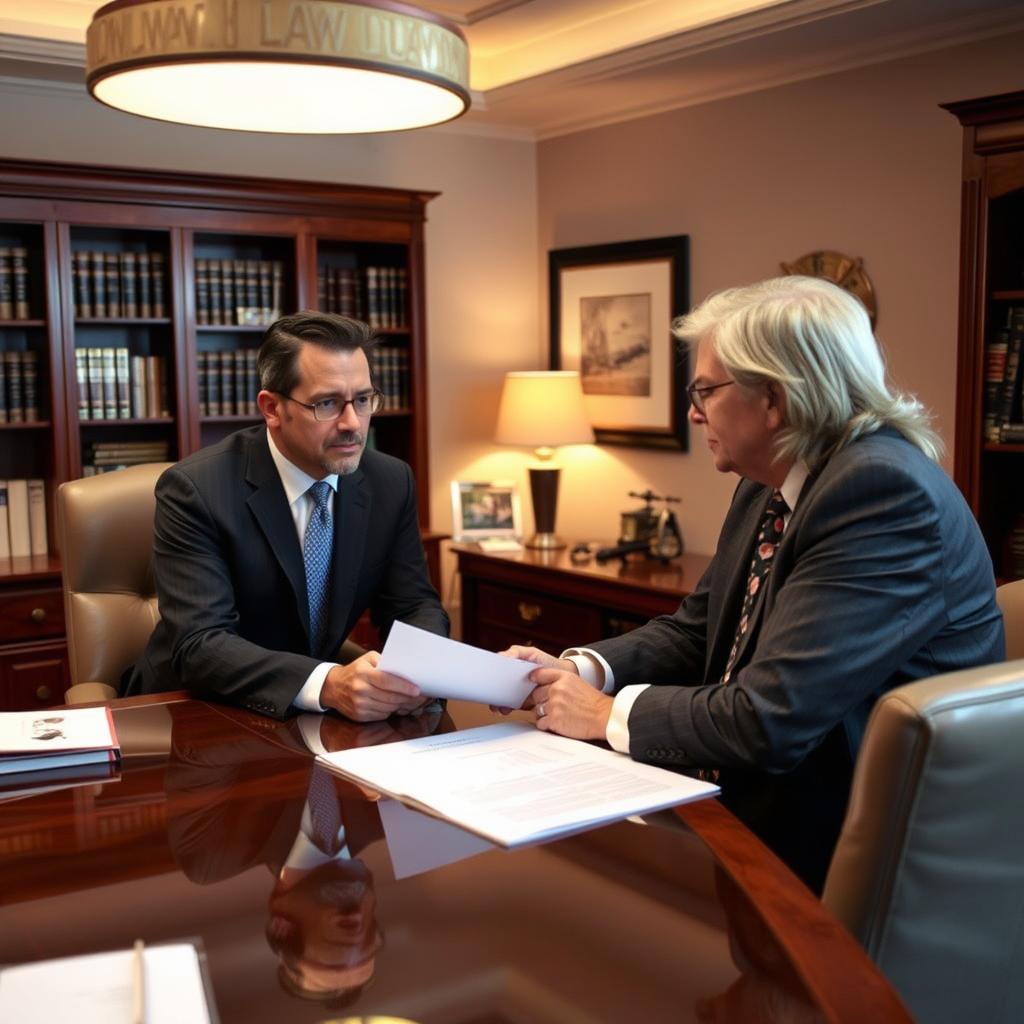
Cruelty Divorce Lawyer Dinwiddie County, VA
When a marriage breaks down under circumstances involving physical or emotional cruelty, Virginia law provides a fault-based ground for divorce. In Dinwiddie County, a spouse who has been subjected to acts that cause reasonable apprehension of bodily hurt may seek a divorce from the bond of matrimony on the ground of cruelty under Va. Code § 20‑91. Unlike no-fault divorces that require one year of separation—or six months with a signed settlement agreement and no minor children—a cruelty divorce in Virginia has no mandatory waiting period. This means the Circuit Court for Dinwiddie County can grant a final decree of divorce once the allegation is proven, without the extended separation timeline that often delays other divorces. The firm’s Richmond location, minutes from the Dinwiddie Courthouse, represents clients in cruelty divorce actions, providing experienced guidance through every stage of the process, from filing the complaint to trial. If you are considering a cruelty divorce or have been served with a cruelty-based complaint, contact Law Offices Of SRIS, P.C. at (888) 437‑7747 to discuss your matter. Law Offices Of SRIS, P.C. – Advocacy Without Borders.
What Cruelty Divorce Means in Dinwiddie County, Virginia
In Virginia, cruelty as a fault ground for divorce is defined by case law interpreting Va. Code § 20‑91. The court must find that one spouse’s conduct toward the other created a reasonable apprehension of bodily harm or amounted to such treatment as to render cohabitation unsafe. This can include physical abuse, threats of violence, or a pattern of behavior that makes continued living together dangerous to the complaining spouse’s health or safety. Because cruelty does not require any waiting period, a spouse who proves cruelty can move directly to a final divorce decree once the court is satisfied.
The Dinwiddie County Circuit Court, located at the Dinwiddie Courthouse on Dinwiddie, VA 23841, has exclusive jurisdiction over all divorce actions, including those based on cruelty. The court hears evidence, evaluates witness testimony, and determines whether the cruelty ground has been established. When there are also disputes over custody, visitation, or support, the Dinwiddie County Juvenile and Domestic Relations District Court may handle those matters while the divorce is pending, though the Circuit Court ultimately decides all issues tied to the divorce. The Richmond location of Law Offices Of SRIS, P.C., at 7400 Beaufont Springs Drive, Suite 300, Room 395, Richmond, VA 23225, is easily accessible from major routes such as I‑85 and Route 1 and serves clients throughout Dinwiddie County, including the communities of Dinwiddie and McKenney.
The procedural landscape for a cruelty divorce in Dinwiddie County requires careful evidence gathering. A spouse alleging cruelty must present proof of the harmful conduct, which often includes testimony from the complaining spouse, witnesses to the conduct, medical records, or police reports. Virginia is an equitable distribution state, meaning the division of marital property in any divorce, including a cruelty divorce, is governed by the 11 factors listed in Va. Code § 20‑107.3. The allegation of cruelty can also influence the court’s consideration of spousal support and, in certain circumstances, custody arrangements. Because Dinwiddie County is part of the Eleventh Judicial District, counsel who appear regularly in the Circuit Court understand the local procedural expectations, which helps clients present their case effectively.
How Mr. Sris and His Of Counsel Handle Cruelty Divorce Cases
Mr. Sris and his Of Counsel approach each cruelty divorce matter by first understanding the client’s circumstances and identifying the evidence that supports or refutes the cruelty allegation. They gather relevant documents, consult with professionals when necessary, and develop a thorough case theory. Whether the client is the party seeking the divorce on the ground of cruelty or the party defending against such an allegation, the team works to protect the client’s rights concerning property, support, and parental responsibilities. Because cruelty divorces often involve heightened emotional and factual complexity, the attorneys focus on clear communication and methodical preparation.
The process begins with filing a complaint in the Dinwiddie County Circuit Court. Once service is completed, the court schedules a pendente lite hearing if urgent temporary relief is needed for support or custody. Discovery proceeds, and the parties exchange evidence. Mediation may be used to resolve contested issues, although it is not mandatory in Virginia. If settlement cannot be reached, the case proceeds to trial, where the court determines whether the cruelty ground has been proved and resolves all ancillary matters. Throughout the litigation, Mr. Sris and his Of Counsel aim to guide clients toward a resolution that avoids unnecessary expense while protecting their interests. The timeline for a cruelty divorce in Dinwiddie County depends on the complexity of the issues and the court’s calendar; the attorneys work to move the matter forward as efficiently as the circumstances allow.
About Mr. Sris and His Of Counsel Team
Mr. Sris, Owner and Founder of Law Offices Of SRIS, P.C., is a former prosecutor who has practiced since 1997 and is admitted in Virginia, Maryland, the District of Columbia, New Jersey, and New York. His background in prosecution provides insight into how the opposing side builds cases, which he applies to family law litigation, including contested cruelty divorces. Mr. Sris testified before the Virginia House Courts of Justice Committee in support of 2019 HB 635 (chief patron Del. David Bulova), legislation that revised Virginia’s equitable distribution statute. That experience informs his approach to complex property division matters often present in fault-based divorces.
Mr. Sris is joined by a team of Of Counsel who bring over 120 years of combined legal experience and have achieved 4,739+ documented firm-wide results. Results may vary. The firm’s collective knowledge covers contested divorce, equitable distribution, spousal support, and custody. In Dinwiddie County, Mr. Sris and his Of Counsel have achieved favorable outcomes in all reported instances of family law matters at the Dinwiddie County courts. The team appears regularly in the Circuit Court and the Juvenile and Domestic Relations District Court, and they are familiar with the local procedures that affect how cruelty divorce cases unfold.
Frequently Asked Questions
What is a cruelty divorce in Virginia?
A cruelty divorce in Virginia is a fault-based divorce granted when one spouse’s conduct creates a reasonable apprehension of bodily harm or makes cohabitation unsafe. Under Va. Code § 20‑91, cruelty does not require a waiting period, so the divorce can move forward as soon as the ground is proved. The court considers evidence such as witness testimony, medical records, police reports, and the complaining spouse’s account. The allegation can also affect spousal support and property division under Virginia’s equitable distribution framework.
Do I need a lawyer for a cruelty divorce in Dinwiddie County?
While you are not legally required to hire a lawyer, an experienced family law attorney can help you navigate the rules of evidence, meet the court’s burden of proof, and protect your interests. Cruelty divorces involve factual disputes that can influence property division, support, and custody. An attorney familiar with the Dinwiddie County Circuit Court can present your case effectively and negotiate a settlement when possible. Contact Law Offices Of SRIS, P.C. at (888) 437‑7747 to discuss your situation.
How does an attorney defend against a cruelty allegation in a Virginia divorce?
Defending against a cruelty allegation involves scrutinizing the evidence, challenging the credibility of the claims, and presenting facts that show the conduct did not meet the legal standard for cruelty. The defense may rely on witness statements, inconsistencies in the plaintiff’s story, or a lack of corroborating medical or police records. An attorney also assesses whether a no-fault divorce or a settlement without an admission of fault is a better strategic option. Every case is fact-specific, and an appropriate approach depends on the circumstances.
How long does a cruelty divorce take in Dinwiddie County?
The duration of a cruelty divorce in Dinwiddie County varies based on case complexity, court scheduling, and whether the parties reach a settlement. Because there is no mandatory separation period, the case can proceed directly to trial once the complaint is filed. However, discovery disputes, pretrial motions, and custody or property contests can extend the timeline. A straightforward uncontested cruelty divorce may resolve in a few months, while a fully contested matter could take significantly longer. The firm works to move each case forward efficiently while protecting the client’s rights.
What should I do if my spouse files for a cruelty divorce in Virginia?
If your spouse files a cruelty divorce complaint, respond promptly to avoid a default judgment and consult with an experienced family law attorney. Do not ignore the complaint, even if you believe the allegation is false. Your attorney can file an answer, raise defenses, and counterclaim for a fault or no-fault divorce if appropriate. Early legal advice helps you understand how the allegation may impact property division, spousal support, and custody. To discuss the details of your matter, reach Law Offices Of SRIS, P.C. at (888) 437‑7747.
How is property divided in a cruelty divorce in Virginia?
In Virginia, property is divided under equitable distribution, meaning the court divides marital assets fairly but not necessarily equally, based on 11 statutory factors. The cruelty ground itself is not a direct factor, but the conduct that constitutes cruelty may be considered under the factor that examines the circumstances and factors contributing to the dissolution of the marriage. The court classifies property as marital or separate, values each item, and then distributes the marital estate. Complex assets such as businesses, retirement accounts, or real estate may require professional valuation.
Attorney advertising. Prior results do not guarantee a similar outcome. Case results depend on a variety of factors unique to each case. Results may vary.