
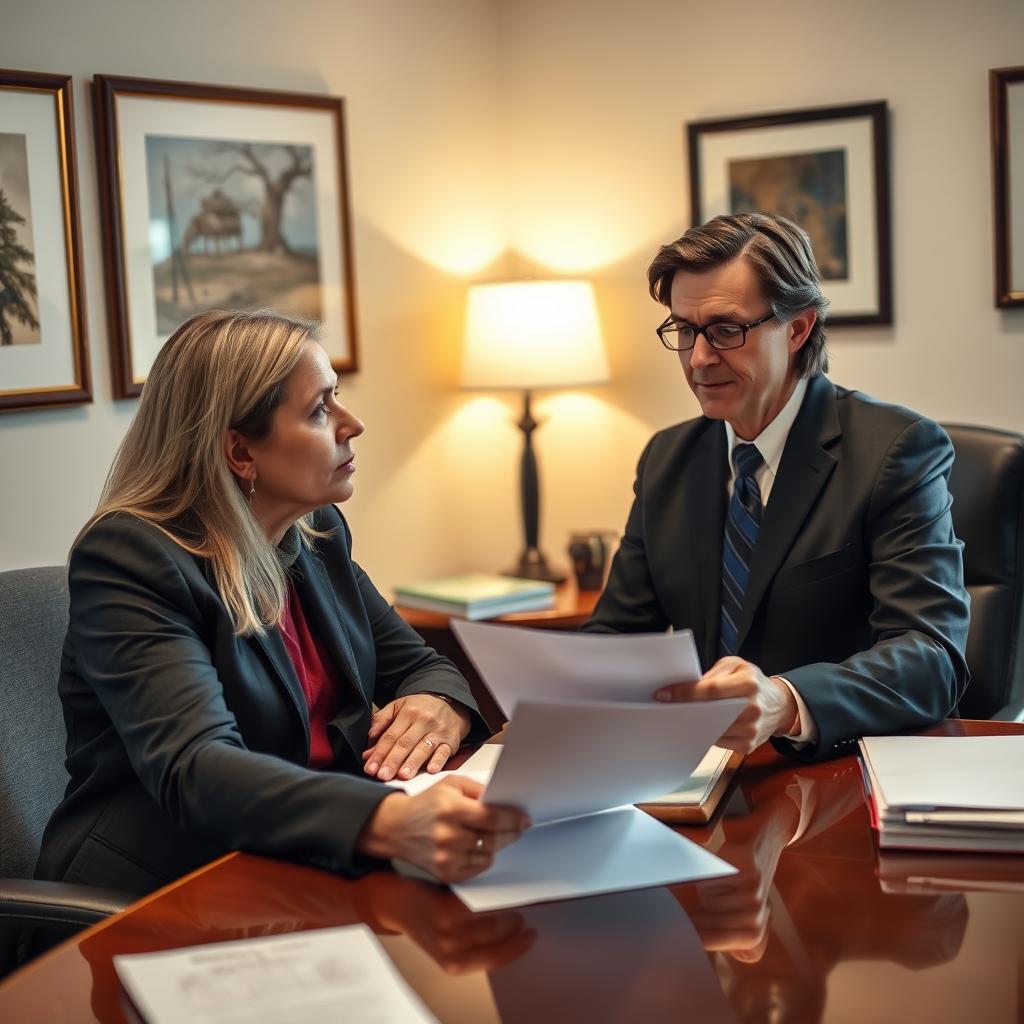
Trial Separation Lawyer Virginia, VA
Couples in Virginia sometimes reach a point where living together is no longer productive, but they are not yet ready to file for divorce. A trial separation — a period of living apart while remaining legally married — allows spouses to establish separate residences, assess the future of the relationship, and begin addressing property, support, and custody issues without immediately ending the marriage. In Virginia, separation is also the factual foundation for most no‑fault divorces under Va. Code § 20‑91(9). How the separation period is structured, documented, and conducted can affect equitable distribution, spousal support, child custody, and the eventual divorce timeline. Law Offices Of SRIS, P.C. represents clients throughout Virginia in separation planning, separation agreement negotiation, and all family‑law matters arising before, during, and after a trial separation. Reach our firm at (888) 437‑7747 to schedule a consultation. Law Offices Of SRIS, P.C. – Advocacy Without Borders.
What Trial Separation Means in Virginia
Virginia does not have a separate court status called “trial separation.” The term generally describes a period during which spouses live apart with the intention of evaluating the marriage. While a trial separation is not itself a legal filing, it is closely linked to Virginia’s divorce grounds. Under Va. Code § 20‑91(9), a no‑fault divorce may be granted after the spouses have lived separate and apart without cohabitation for one year, or for six months if there are no minor children from the marriage and the parties have entered into a written separation agreement. This separation requirement is cumulative; the time must be uninterrupted and proved by at least one corroborating witness at the divorce hearing.
Because Virginia is an equitable distribution state (Va. Code § 20‑107.3), property acquired during the separation may still be considered marital if it is attributable to efforts made before the separation began. The date of separation can therefore affect the classification and valuation of assets, such as retirement accounts, business interests, and real property. Similarly, spousal support determinations under Va. Code § 20‑107.1 may consider the length of the marriage and the parties’ standard of living during the marriage, which the separation timeline can frame. Custody and visitation arrangements made during a trial separation often become the basis for final court orders, making it important to approach the period with careful planning rather than as an informal break.
How Mr. Sris and His Of Counsel Handle Trial Separation and Separation Cases
Mr. Sris and his Of Counsel begin by understanding each client’s immediate and long‑term objectives — whether the goal is to preserve the marriage, negotiate a separation agreement, or prepare for divorce. The firm helps clients evaluate whether a formal written separation agreement is appropriate. Such an agreement can address property division, spousal support, child custody, visitation, and child support while the couple remains married. A well‑drafted separation agreement signed by both parties can allow a six‑month no‑fault divorce ground if no minor children are involved, and it provides a framework that reduces contested issues later.
When disputes arise during the separation — over temporary support, exclusive use of the family home, or parenting time — the firm represents clients in motions for pendente lite relief in the Circuit Court or in the Juvenile and Domestic Relations District Court. Mr. Sris and his Of Counsel bring over 120 years of combined legal experience to these matters, drawing on extensive family‑law practice across Virginia. Results may vary. They focus on protecting the client’s interests while working toward resolutions that avoid unnecessary litigation. For clients who ultimately seek divorce, the separation period is integrated into the case strategy to strengthen the client’s position on equitable distribution, support, and custody.
About Mr. Sris and His Of Counsel Team
Mr. Sris, Owner and Founder of Law Offices Of SRIS, P.C., has practiced family law and criminal defense since 1997. A former prosecutor, he brings prosecutorial insight to the strategic evaluation of family‑law disputes. Mr. Sris is admitted to practice in Virginia, Maryland, the District of Columbia, New Jersey, and New York. His legislative involvement includes testifying before the Virginia House Courts of Justice Committee in support of 2019 HB 635 (chief patron Del. David Bulova), a bill that revised Virginia’s equitable distribution statute concerning retirement and pension division. Mr. Sris keeps a select caseload to remain personally involved in each matter while collaborating with a team of experienced Of Counsel attorneys who handle family‑law cases across Northern Virginia, the Shenandoah Valley, and Central Virginia.
Mr. Sris and his Of Counsel have documented 4,739+ case results across all practice areas since 1997. Results may vary. in any particular case. The firm’s collective approach allows every client to benefit from more than 120 years of combined legal experience, including backgrounds in prosecution, law enforcement, and complex litigation. Results may vary. The team is supported by professionals who speak Spanish and Tamil, assisting a diverse client base throughout Virginia.
Frequently Asked Questions
What is a trial separation in Virginia?
A trial separation in Virginia is a period when spouses live apart while remaining married, often to evaluate the relationship before deciding whether to divorce. It is not a separate legal status but an important factual arrangement that can lay the groundwork for a future no‑fault divorce based on separation. During this time, couples may establish separate residences, work out temporary parenting schedules, and begin financial disentanglement. How the separation is handled — including whether the parties sign a separation agreement — directly affects property classification, support, and the length of separation needed before filing for divorce. Consulting a family‑law attorney early helps ensure the separation period is structured to protect each spouse’s interests.
How long do you have to be separated to get a divorce in Virginia?
In Virginia, spouses must live separate and apart without cohabitation for one year before filing for a no‑fault divorce, unless they have no minor children and have a signed separation agreement, in which case the period is six months. This requirement comes from Va. Code § 20‑91(9). The separation must be continuous and proven by at least one corroborating witness at the final divorce hearing. A trial separation that is not initially intended to be permanent can still count toward the required period as long as the parties have lived apart and do not resume marital cohabitation. Mr. Sris and his Of Counsel can help document the separation date and prepare the necessary evidence for a smooth divorce process.
Do I need a separation agreement before a trial separation?
A written separation agreement is not legally required to begin a trial separation, but it is strongly recommended for couples who have children, own property together, or expect to support one another financially. A separation agreement, authorized under Va. Code § 20‑109, can settle property division, spousal support, child custody, visitation, and child support while the marriage is intact. It also makes the six‑month no‑fault ground available if there are no minor children of the marriage. Without an agreement, disputes that arise during the separation may require court intervention, making the process more costly and adversarial. The firm negotiates and drafts separation agreements tailored to each family’s circumstances.
How does trial separation affect property division in Virginia?
In Virginia’s equitable distribution system, the date of separation can affect how property is classified and valued, even though title alone does not determine marital or separate property. Under Va. Code § 20‑107.3, property acquired during the marriage — including after the date of separation but before the divorce — is presumptively marital, though the court may consider post‑separation efforts when dividing the marital estate. Income earned and debts incurred during the separation may also be relevant to spousal support and the final property award. Because the separation date is a key factual finding, it is important to establish it clearly and to avoid commingling separate and marital funds after separation. An attorney can advise on steps to protect your financial interests during this period.
What happens if one spouse moves out of the family home during trial separation?
One spouse moving out during a trial separation does not forfeit rights to the home, but it does create practical issues regarding use of the residence, parenting time, and support that should be addressed promptly. The court can award exclusive use of the family home to one spouse during the divorce pendency under Va. Code § 20‑103. If the parties cannot agree on who stays or on a parenting schedule, a pendente lite hearing may be necessary. Moving out without a written understanding can also affect a claim for desertion if a fault‑based divorce is later pursued. Mr. Sris and his Of Counsel assist clients in negotiating temporary living arrangements that minimize disruption and protect long‑term legal positions.
Do I need a lawyer for a trial separation in Virginia?
You are not required to hire a lawyer to begin a trial separation, but having experienced legal guidance can help you avoid mistakes that complicate divorce, property division, or custody later. A trial separation is more than just living apart — it sets the factual baseline for critical divorce issues. An attorney can help you determine whether a separation agreement is appropriate, ensure the separation date is properly documented, and advise on temporary financial and parenting arrangements that serve your long‑term interests. Law Offices Of SRIS, P.C. offers consultations to discuss your situation and help you navigate the separation period with a clear plan. To schedule a consultation, call (888) 437‑7747.
Related Family Law Resources in Virginia
Explore additional practice‑area pages covering localities where our firm regularly appears:
- Fairfax County Family Law Lawyer
- Fairfax City Family Law Lawyer
- Falls Church Family Law Lawyer
- Prince William County Family Law Lawyer
- Manassas Family Law Lawyer
For official Virginia statutory authority, visit the Virginia Code Title 20 (Domestic Relations) and Virginia Courts.
Attorney advertising. Prior results do not guarantee a similar outcome.
Results may vary.
Case results depend on a variety of factors unique to each case.