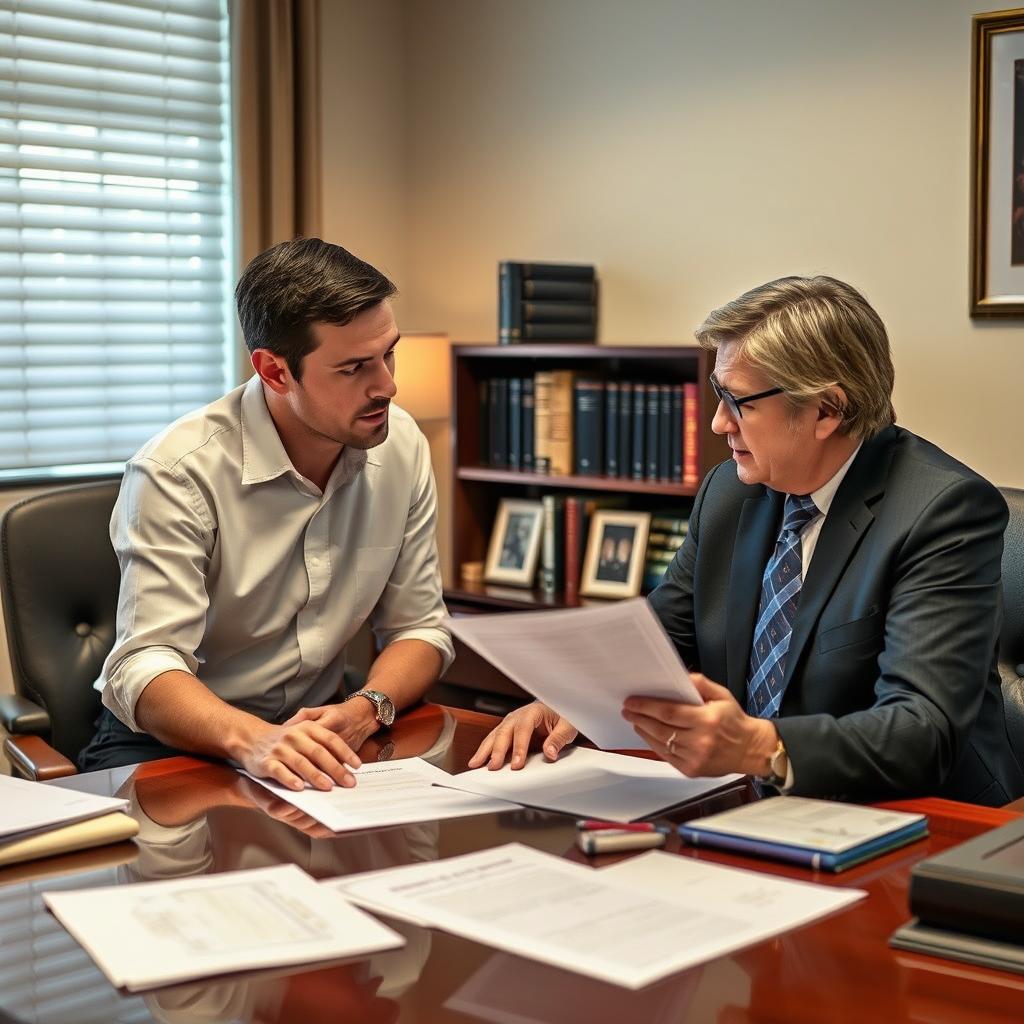
Protective Filing Lawyer Virginia Beach, VA
Protective filing matters in Virginia Beach involve sensitive family law issues that can affect personal safety, child custody, and living arrangements. India is not a signatory to the 1980 Hague Convention on Civil Aspects of International Child Abduction. A protective order is a court directive designed to prevent contact or harm in situations involving family or household members. Mr. Sris and the firm’s Of Counsel attorneys represent individuals in Virginia Beach who are seeking or responding to protective orders under Virginia Code § 16.1‑253.1 and § 16.1‑279.1. Virginia Beach Juvenile and Domestic Relations District Court handles these civil family law proceedings, while related divorce and equitable distribution matters proceed in Virginia Beach Circuit Court. The firm assists clients throughout the Fourth Judicial District with experienced guidance focused on procedural compliance and protecting legal rights. To discuss your situation, call (888) 437‑7747.
What Protective Filing Means in Virginia Beach, VA
In Virginia, “protective filing” typically refers to the process of petitioning a court for a protective order—a legal remedy intended to shield a person from acts of violence, force, or threat by a family or household member. The statutory framework is set out in the Virginia Code, principally at § 16.1‑253.1 (preliminary protective orders) and § 16.1‑279.1 (permanent protective orders). These orders are civil in nature and are often filed in the Juvenile and Domestic Relations District Court, which for Virginia Beach is located at 2425 Nimmo Parkway, Building 10B.
Protective orders in Virginia progress through several tiers. An emergency protective order may be issued by a magistrate or judge when immediate danger exists. A preliminary protective order follows a hearing before a judge, typically scheduled promptly, and can last up to 15 days. A permanent protective order may issue after a full evidentiary hearing and can remain in effect for up to two years, with the possibility of extension. The court may include terms such as prohibiting contact, granting temporary custody, requiring the respondent to vacate a shared residence, and directing the respondent to participate in treatment programs. Virginia Beach courts apply the statutory factors and procedures established by the General Assembly, and procedural compliance is critical to ensuring a valid order.
Because protective orders can directly affect child custody, visitation rights, and firearm possession, the stakes are high for both the petitioner and the respondent. A protective order is not a criminal conviction, but violating its terms can lead to criminal contempt or separate criminal charges. The Virginia Beach Juvenile and Domestic Relations District Court has significant experience with these matters and expects parties to present their claims clearly and with appropriate documentation. An attorney familiar with local court practice can help navigate the procedural requirements and present the necessary evidence.
How Mr. Sris and the Firm’s Of Counsel Attorneys Handle Protective Filing Cases
Mr. Sris and the firm’s Of Counsel attorneys approach protective filing matters by first understanding the client’s immediate safety concerns and legal objectives. Whether the client is filing for protection or defending against allegations, the team gathers and organizes relevant evidence, including witness statements, communications records, photographs, and any law enforcement reports. The firm assists clients in preparing and filing petitions with the appropriate Virginia Beach court, ensuring that all required forms are completed accurately and that the statutory grounds for relief are clearly stated.
At a protective order hearing, the court considers testimony and documentary evidence. The firm prepares clients to present their case effectively, cross-examine adverse witnesses, and address any procedural issues that may arise. For respondents, the firm works to challenge the petitioner’s evidence by examining inconsistencies, procedural errors, or lack of statutory basis. Because protective orders can affect future custody and divorce proceedings, the firm also coordinates with any related family law matters pending in Virginia Beach Circuit Court.
Throughout the process, the firm keeps clients informed about hearing dates, evidentiary requirements, and the potential scope of relief. The goal is to achieve a resolution that respects the client’s rights while complying with Virginia’s statutory framework. Every matter is handled with attention to the local procedures observed in Virginia Beach’s Juvenile and Domestic Relations District Court.
About Mr. Sris and the Firm’s Of Counsel Attorneys
Mr. Sris, Owner and Founder of Law Offices Of SRIS, P.C., has practiced since 1997 and is admitted in Virginia, Maryland, the District of Columbia, New Jersey, and New York. A former prosecutor, he brings firsthand courtroom experience to family law matters involving protective orders. Mr. Sris testified before the Virginia House Courts of Justice Committee in support of 2019 HB 635 (chief patron Del. David Bulova), a bill concerning Virginia’s equitable distribution statute. His understanding of Virginia family law proceedings informs the firm’s approach to protective filing cases.
The firm’s Of Counsel attorneys are independent practitioners who contract directly with Law Offices Of SRIS, P.C. They bring additional legal experience in family law and litigation. Collectively, the firm’s attorneys are experienced in representing clients before Virginia Beach’s Juvenile and Domestic Relations District Court and Circuit Court. The firm’s Virginia Beach clients are served from the Richmond location, with consultations available by appointment. To schedule a consultation, call (888) 437‑7747.
Frequently Asked Questions
How do I file for a protective order in Virginia Beach?
You may file a petition for a protective order at the Virginia Beach Juvenile and Domestic Relations District Court during court business hours. The court provides the necessary forms, and you will need to describe the alleged act of violence, force, or threat. A judge reviews the petition and may issue a preliminary protective order if sufficient grounds exist. An experienced attorney can help you prepare the petition, gather supporting evidence, and present your case at the hearing. The process is civil, not criminal, and is governed by Va. Code § 16.1‑253.1 and § 16.1‑279.1.
Can I defend against a protective order filed against me?
Yes, you have the right to present a defense at the protective order hearing. Defense strategies in Virginia include challenging the evidence, demonstrating procedural deficiencies, and showing that the petitioner does not meet the statutory requirements for relief. The court will consider both sides before deciding whether to issue a permanent protective order. Because the order can affect custody, visitation, and firearm rights, legal representation is advisable. For guidance on your specific situation, reach Law Offices Of SRIS, P.C. at (888) 437‑7747.
What is the difference between an emergency, preliminary, and permanent protective order in Virginia?
An emergency protective order is issued by a magistrate or judge without prior notice to the respondent, a preliminary protective order follows a brief hearing and lasts up to 15 days, and a permanent protective order results from a full evidentiary hearing and can last up to two years. Emergency orders are designed for immediate safety situations where a police officer or magistrate believes a person is in danger. Preliminary orders bridge the gap until a full hearing can be held. A permanent order may include more comprehensive relief such as custody provisions, possession of the residence, and treatment mandates.
Will a protective order show up on a background check?
Protective orders are court orders that may appear in certain background checks, particularly if they are part of a law enforcement database or if they relate to family law proceedings. In Virginia, a protective order is not a criminal conviction, but it is a public record. Employers, landlords, and licensing agencies may access such records depending on the context. The presence of a protective order can influence future custody and visitation decisions. The firm’s attorneys help clients understand the potential consequences and work to address them during the court process.
Can a protective order be modified or dissolved in Virginia Beach?
Yes, either party may petition the court to modify or dissolve a protective order if circumstances have changed. The Virginia Beach Juvenile and Domestic Relations District Court has jurisdiction to hear modification requests. The moving party must demonstrate a material change in circumstances since the original order was issued. The court will evaluate the evidence and decide whether modification or dissolution is appropriate. To discuss the details of your matter, contact Law Offices Of SRIS, P.C. at (888) 437‑7747.
Do I need a lawyer for a protective order case in Virginia Beach?
You are not legally required to have a lawyer for a protective order proceeding, but legal representation can help you navigate the procedural rules, present evidence effectively, and protect your interests. Virginia protective order cases can have long-term consequences for custody, housing, and firearm rights. An experienced family law attorney familiar with the Virginia Beach courts can guide you through the process. For a consultation, reach the firm’s attorneys at (888) 437‑7747.
Family law representation in other Virginia localities:
Fairfax County family law lawyer •
Prince William County family law lawyer •
Manassas family law lawyer
Attorney advertising. Prior results do not guarantee a similar outcome.
Results may vary.
Case results depend on a variety of factors unique to each case.