
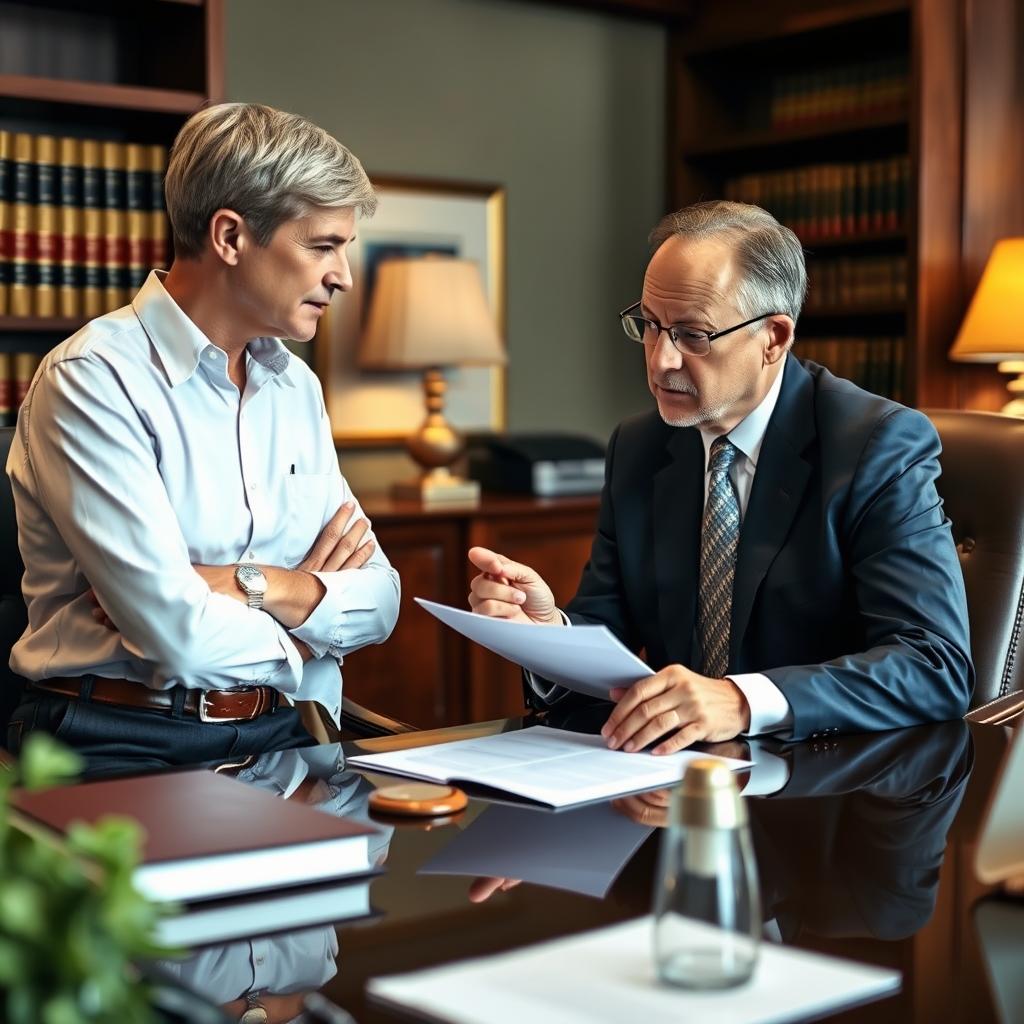
Armed Forces Divorce Lawyer Dinwiddie County
An Armed Forces Divorce Lawyer Dinwiddie County handles the unique legal dissolution for military members stationed in or connected to Dinwiddie County, Virginia. These cases involve federal protections like the Servicemembers Civil Relief Act (SCRA) and complex residency rules. Law Offices Of SRIS, P.C.—Advocacy Without Borders. provides focused representation for service members. Our team understands the specific procedures of Dinwiddie County courts. (Confirmed by SRIS, P.C.)
Statutory Definition of Military Divorce in Virginia
Virginia Code § 20-97 governs jurisdiction for divorce, requiring specific residency or domicile grounds for filing. For military members, Virginia Code § 8.01-2.1 defines “domicile” separately from mere military stationing, a critical distinction. A military dissolution lawyer Dinwiddie County must prove the service member or spouse is domiciled in Virginia or meets the statutory residency requirements. The maximum penalty is the final dissolution of marriage and court-ordered division of assets, debts, and custody.
The legal foundation for any divorce in Virginia starts with establishing the court’s power to hear the case. For civilians, this often hinges on simple residency. For service members, the analysis is different. Your legal residence (domicile) may be a different state than where you are currently stationed under military orders. An Armed Forces Divorce Lawyer Dinwiddie County analyzes your Home of Record, state of tax filing, voting registration, and intent to return. Filing in the wrong court due to a jurisdictional error can result in dismissal, wasting time and resources. The procedural rules are strict and must be followed precisely.
How does military service affect divorce jurisdiction in Dinwiddie County?
Military service creates a separate legal analysis for where a divorce can be filed. The Servicemembers Civil Relief Act (SCRA) protects active-duty members from default judgments but does not change jurisdictional requirements. A service member dissolution lawyer Dinwiddie County must demonstrate that either party is domiciled in Virginia or that the respondent spouse resides in Virginia. Stationing at Fort Gregg-Adams does not automatically confer Virginia domicile. The Dinwiddie County Circuit Court requires clear evidence of intent to establish a permanent home in Virginia.
What is the difference between residency and domicile for a service member?
Residency is often a physical presence requirement, while domicile is your permanent legal home. For a military member, you can be stationed (resident) in Dinwiddie County but be domiciled in another state. A military member divorce lawyer Dinwiddie County gathers evidence like Virginia driver’s licenses, voter registration, property ownership, or sworn statements of intent. The court looks at the totality of circumstances. Proving domicile is the key to filing your case in the correct venue.
Can I file for divorce in Dinwiddie County if my spouse is deployed?
Yes, but specific SCRA procedures for service of process and potential stays must be followed. The deployed spouse’s legal protections under federal law must be respected. An experienced Armed Forces Divorce Lawyer Dinwiddie County ensures all SCRA requirements are met, including affidavit filings regarding military status. Failure to comply can invalidate proceedings. The Dinwiddie County court will require strict adherence to these federal rules. Learn more about Virginia family law services.
The Insider Procedural Edge in Dinwiddie County Circuit Court
The Dinwiddie County Circuit Court is located at 14012 Boydton Plank Road, Dinwiddie, VA 23841. This court handles all divorce and equitable distribution matters for the county. Procedural facts are specific to this venue, including local filing forms and judge preferences. The timeline from filing to final hearing varies based on case complexity and whether it is contested. Filing fees are set by the state and local clerk, and current amounts should be confirmed directly with the court clerk’s Location.
Knowing the local rules is not optional; it is essential. The Dinwiddie County Circuit Court has specific requirements for filing complaints, financial disclosures, and scheduling motions. A military dissolution lawyer Dinwiddie County familiar with this court knows the expectations of the judges and commissioners. They understand the local culture for scheduling hearings and managing discovery disputes. Procedural missteps can cause significant delays, especially in military cases where time is often limited by deployment schedules or Permanent Change of Station (PCS) orders. We manage the procedure so you can focus on your service duties.
What is the typical timeline for a military divorce in Dinwiddie County?
A contested divorce with complex military pension division can take over a year to resolve. An uncontested divorce where all issues are agreed upon can be finalized more quickly, but still must meet Virginia’s statutory waiting periods. The presence of children or disputes over the classification of military benefits extends the timeline. A service member dissolution lawyer Dinwiddie County can provide a realistic forecast based on your specific facts. Every case moves at the pace set by the court’s docket and the level of agreement between parties.
What are the court costs and filing fees for divorce in Dinwiddie County?
Filing fees are mandated by the Virginia Supreme Court and collected by the Dinwiddie County Circuit Court Clerk. The exact cost for filing a Complaint for Divorce should be verified with the clerk, as fees are subject to change. Additional costs include fees for serving the complaint, subpoenas, and court reporter services if needed. A military member divorce lawyer Dinwiddie County will outline all anticipated court costs during your initial case review. Budgeting for these required expenses is part of the legal planning process. Learn more about criminal defense representation.
Penalties, Outcomes, and Defense Strategies
The most common penalty range in a divorce is the court-ordered division of marital property, debt, and establishment of support obligations. For military divorces, this specifically includes the division of military pensions and benefits under the Uniformed Services Former Spouses’ Protection Act (USFSPA). The court has broad discretion to order spousal support, child support, and attorney’s fee awards based on the circumstances.
| Offense / Issue | Potential Penalty / Outcome | Notes |
|---|---|---|
| Failure to Establish Jurisdiction | Dismissal of Case | Court lacks power to rule; must refile in correct state. |
| Improper Service on Deployed Member | Vacated Judgment | Violates SCRA; any orders can be overturned. |
| Non-Disclosure of Military Pension | Contempt of Court; Re-Opening of Case | Assets must be fully disclosed for equitable division. |
| Violation of Court Order (Support, Custody) | Fines; Wage Garnishment; Contempt | Enforcement is strict, especially across state lines. |
[Insider Insight] Local prosecutor trends are not directly applicable in civil divorce cases. However, the Dinwiddie County Circuit Court judges and commissioners exhibit a clear trend: they expect strict compliance with procedural rules and full financial disclosure. In military cases, they pay close attention to the proper application of the USFSPA and SCRA. Judges here respect service but apply Virginia law without exception. Presenting a well-organized case with clear evidence is paramount.
How is a military pension divided in a Dinwiddie County divorce?
A military pension is marital property subject to division for the portion earned during the marriage. Virginia courts use a “coverture fraction” to calculate the marital share. A military dissolution lawyer Dinwiddie County works with actuaries to value the pension and draft a Qualified Domestic Relations Order (QDRO) for enforcement. The Defense Finance and Accounting Service (DFAS) requires a specific court order for direct payment. This is a technical area where precise legal work is non-negotiable.
What are the consequences of a default judgment against a deployed service member?
A default judgment obtained without complying with the SCRA can be vacated or set aside. The service member has the right to request a stay of proceedings during deployment and for a period after return. An Armed Forces Divorce Lawyer Dinwiddie County can file the necessary motions to protect these rights. Allowing a default to stand can result in unfair property division and support orders. The SCRA provides powerful protections that must be invoked correctly. Learn more about personal injury claims.
Why Hire SRIS, P.C. for Your Military Divorce
Our lead attorney for military family law matters is a seasoned litigator with direct experience in Virginia’s circuit courts. This attorney has represented numerous active-duty and veteran clients in complex dissolution cases involving military pensions and interstate custody issues. The attorney’s background includes a deep understanding of both Virginia statutory law and the federal regulations governing military benefits. This combination is critical for effective representation in Dinwiddie County.
SRIS, P.C. brings specific advantages to your case. We have a track record of handling cases in the Dinwiddie County Circuit Court. We understand the formal and informal rules of this venue. Our approach is direct and strategic, focused on achieving defined objectives whether through negotiation or litigation. We do not waste your time or money. For military families, we coordinate with base legal assistance Locations when appropriate and ensure all federal protections are asserted. Your career and benefits are on the line; your legal representation must be precise.
Localized FAQs for Military Divorce in Dinwiddie County
How long do I have to live in Dinwiddie County to file for divorce?
You or your spouse must be domiciled in Virginia for at least six months before filing. For military members, domicile is distinct from being stationed in the county. Proof of intent to make Virginia your permanent home is required. Consult a lawyer to evaluate your specific domicile status.
Does my spouse get half of my military retirement in Virginia?
The portion of your military retirement earned during the marriage is subject to equitable division. Virginia courts do not automatically award half. The division is based on the length of the marriage overlapping with service. A precise calculation and court order are necessary for DFAS to process any division. Learn more about our experienced legal team.
Can I get a divorce in Dinwiddie County if I am stationed overseas?
Yes, if you meet Virginia’s domicile requirements. The procedural steps for service of process and court appearances are more complex. The SCRA may provide certain protections. Legal representation is crucial to handle the logistics and ensure your rights are protected from afar.
How does child custody work when one parent is in the military?
Virginia courts determine custody based on the child’s best interests. A parent’s military duties are a factor but not a disqualifier. Parenting plans must address potential deployments, moves, and communication during training. Courts often require detailed plans for long-distance visitation and decision-making.
What is the Servicemembers Civil Relief Act (SCRA) in divorce?
The SCRA is a federal law that allows active-duty members to request a stay (delay) of civil court proceedings, including divorce. This protects service members from default judgments while deployed or during duty. The right is not automatic; it must be requested properly through the court.
Proximity, Contact, and Final Disclaimer
Our legal team serves clients in Dinwiddie County and the surrounding region. The Dinwiddie County Circuit Court is centrally located for county residents. For service members stationed at Fort Gregg-Adams, our attorneys understand the unique pressures of military life and the legal issues it creates. Consultation by appointment. Call 888-437-7747. 24/7.
SRIS, P.C. provides focused legal advocacy for military families facing divorce. We apply a direct, no-nonsense approach to protect your interests, your assets, and your relationship with your children. The intersection of military service and Virginia family law requires specific knowledge. We provide that knowledge.
Past results do not predict future outcomes.