
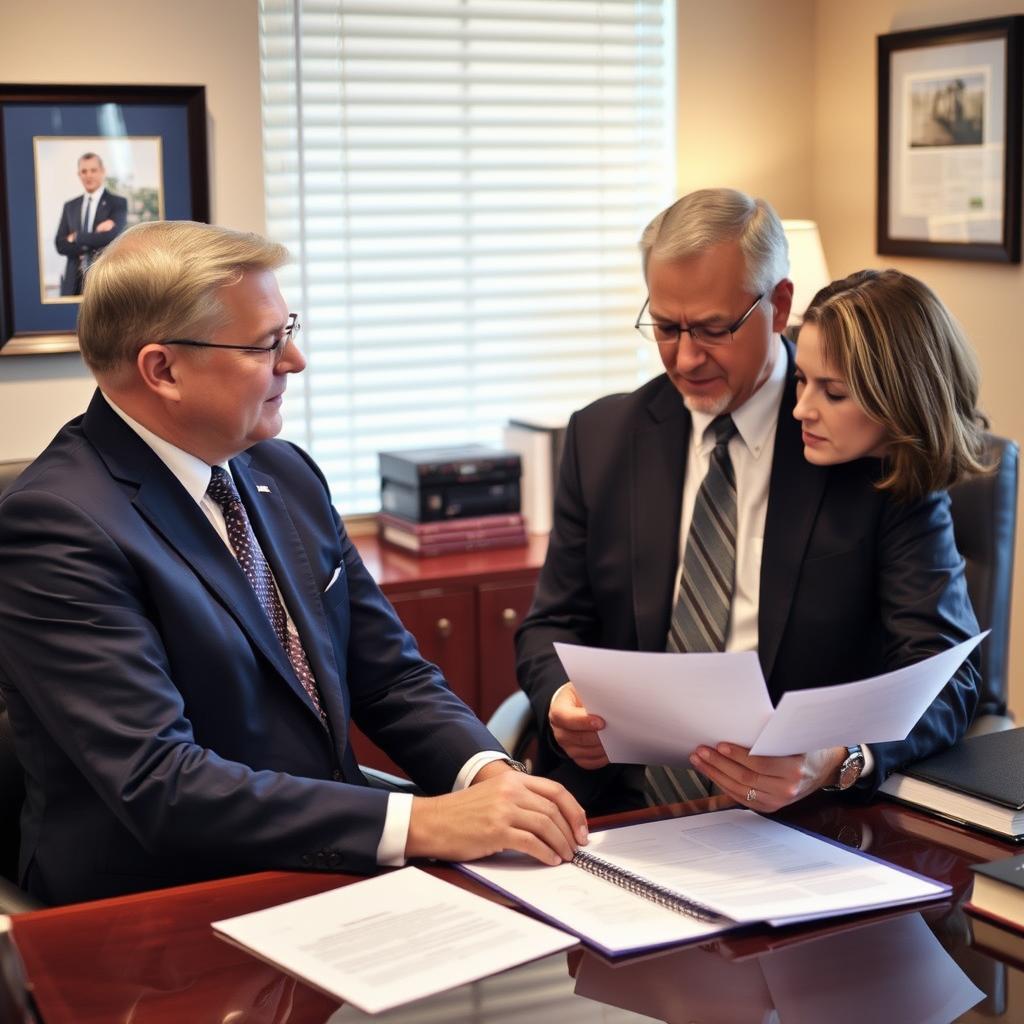
Beach Military Divorce Lawyer Fairfax County
You need a Beach Military Divorce Lawyer Fairfax County for cases involving service members stationed at or near Joint Base Myer-Henderson Hall. Military divorces in Fairfax County require strict adherence to the Servicemembers Civil Relief Act and Virginia law. The Law Offices Of SRIS, P.C. —Advocacy Without Borders. provides direct legal counsel for these complex matters. (Confirmed by SRIS, P.C.)
Statutory Definition of Military Divorce in Virginia
Virginia military divorce is governed by state law and federal statutes including the Servicemembers Civil Relief Act (SCRA). The primary Virginia statute is § 20-91, which establishes grounds for divorce. Military-specific issues fall under the Uniformed Services Former Spouses’ Protection Act (USFSPA) for pension division. Jurisdiction is a critical initial hurdle in any military divorce case in Fairfax County.
Virginia does not have a separate “military divorce” statute. The process uses standard Virginia divorce law with federal protections layered on top. The SCRA provides active-duty members with postponement rights for civil proceedings. This can delay a divorce case if the service member is deployed. The USFSPA is the federal law allowing state courts to treat military retirement pay as property. Fairfax County courts apply Virginia’s equitable distribution laws to this asset. Child custody and support calculations also incorporate military pay and benefits. A Beach Military Divorce Lawyer Fairfax County must handle both legal systems.
How does the SCRA affect filing for divorce in Fairfax County?
The SCRA can delay proceedings if the service member is on active duty. The service member can request a stay of the divorce case for the duration of their duty plus 60 days. Fairfax County judges routinely grant these stays to protect legal rights. This law prevents default judgments against deployed personnel.
What is the USFSPA and how does it apply in Virginia?
The USFSPA permits Virginia courts to divide military retirement pay. The court must have jurisdiction over the service member under state law. The 10/10 rule is a common misconception; it governs direct payment by DFAS, not the court’s ability to divide. A Fairfax County judge can award a portion of the pension as marital property.
What are the residency requirements for a military divorce in Virginia?
Virginia requires at least six months of residency before filing for divorce. For service members, this can be established by legal domicile or stationing orders. A spouse filing in Fairfax County may use the service member’s Virginia residency to meet this requirement. Jurisdictional disputes are common in military family law cases.
The Insider Procedural Edge in Fairfax County
The Fairfax County Circuit Court handles all contested military divorce cases at 4110 Chain Bridge Road, Fairfax, VA 22030. You file the initial Complaint for Divorce with the Circuit Court clerk’s Location. Procedural specifics for Fairfax County are reviewed during a Consultation by appointment at our Fairfax County Location. The court’s family law division sees a high volume of cases involving military personnel. Learn more about Virginia family law services.
The filing fee for a divorce complaint in Fairfax County is approximately $89. Additional fees apply for serving papers and filing motions. The court requires financial disclosure statements and a settlement conference in most cases. Military deployment schedules heavily influence the court’s docket management. Judges in Fairfax County are familiar with Leave and Earnings Statements (LES) and military benefits. They expect precise documentation of service history for pension valuation. Temporary support orders must account for Basic Allowance for Housing (BAH) and other special pays. A service member divorce lawyer Fairfax County must prepare evidence to military standards.
The legal process in Fairfax County follows specific procedural requirements that affect case timelines and outcomes. Courts in this jurisdiction apply local rules that may differ from neighboring areas. An attorney familiar with Fairfax County court procedures can identify procedural advantages relevant to your situation.
What is the typical timeline for a military divorce in Fairfax County?
A contested military divorce in Fairfax County often takes nine to fifteen months. The timeline depends on deployment status, asset complexity, and court scheduling. An uncontested divorce with a separation agreement can be finalized faster. SCRA stays can extend the process significantly if deployment occurs.
Where do I file divorce papers if my spouse is stationed overseas?
You can file in Fairfax County if you or your spouse meet Virginia residency requirements. Service of process on an overseas service member follows strict federal and international rules. The court may authorize alternative service methods under the Virginia Code. Legal paperwork must comply with the Hague Convention if applicable.
Penalties, Division, and Defense Strategies
The most common outcome in a military divorce is the equitable division of assets and debts. There are no criminal penalties, but financial and parental rights consequences are severe. The court divides marital property, sets support, and establishes custody under Virginia law. Learn more about criminal defense representation.
Virginia law establishes specific statutory frameworks that govern these matters. Each case involves unique factual circumstances that require careful legal analysis. SRIS, P.C. attorneys evaluate every relevant factor when developing case strategy for clients in Fairfax County.
| Issue | Potential Outcome | Notes |
|---|---|---|
| Military Pension Division | Up to 50% of marital share | Based on years of service during marriage. |
| Child Support | VA guidelines + healthcare costs | Includes BAH if considered income. |
| Spousal Support | Temporary & permanent awards | Considers military pay and earning capacity. |
| Retirement Benefits | Division of TSP & SBP elections | Requires a Qualified Domestic Relations Order (QDRO). |
| Custody & Visitation | Parenting plan with deployment clauses | Must address future PCS moves and deployments. |
[Insider Insight] Fairfax County prosecutors in the Commonwealth’s Attorney’s Location do not handle divorce. However, their approach to related issues like protective orders influences family court temperament. Judges expect clear evidence and respect for the service member’s duties. Local courts often enforce strict financial disclosure to ensure fair division.
Defense strategies focus on protecting the service member’s career and benefits. A military spouse divorce lawyer Fairfax County may focus on securing an equitable share of assets. Valuation of the military pension requires a present-value analysis. Survivor Benefit Plan (SBP) coverage is a critical negotiation point. Custody plans must include specific terms for deployment and reassignment. The goal is a final decree that withstands future military life changes.
How is a military pension divided in a Fairfax County divorce?
The court uses a “marital share” formula based on years of service during the marriage. The non-service member spouse may receive up to fifty percent of that share. The division is typically ordered as a percentage of the disposable retired pay. A Domestic Relations Order must be approved by the Defense Finance and Accounting Service.
Can my spouse get a share of my VA disability pay?
Federal law prohibits the direct division of VA disability compensation as marital property. However, a Fairfax County judge can consider the waived retired pay used to receive disability. This can indirectly affect the overall financial settlement. Support obligations can also be calculated using total monthly income. Learn more about personal injury claims.
Court procedures in Fairfax County require proper documentation and adherence to filing deadlines. Missing a deadline or submitting incomplete filings can negatively impact case outcomes. Working with an attorney who handles cases in Fairfax County courts regularly ensures that procedural requirements are met correctly and on time.
Why Hire SRIS, P.C. for Your Fairfax County Military Divorce
Attorney Bryan Block brings direct experience with military legal issues and Virginia family courts. His background provides insight into the unique pressures facing service members.
Bryan Block
SRIS, P.C. Attorney
Focus: Military Family Law & Divorce
Represents service members and spouses in Fairfax County Circuit Court.
The timeline for resolving legal matters in Fairfax County depends on multiple factors including case type, court scheduling, and the positions of all parties involved. SRIS, P.C. keeps clients informed throughout the process and works to move cases forward as efficiently as possible.
SRIS, P.C. has secured favorable outcomes in numerous Fairfax County family law cases. Our team understands the interplay between military regulations and Virginia law. We prepare cases with the detail required by Fairfax County judges. We address jurisdiction, asset division, and child custody from the first meeting. Our Fairfax County Location is staffed to handle the paperwork and court appearances. We work to resolve cases efficiently, mindful of military obligations. You need a lawyer who speaks the language of both the courtroom and the command. Call our team for a Consultation by appointment. Learn more about our experienced legal team.
Localized FAQs for Military Divorce in Fairfax County
What is the 20/20/20 rule in military divorces?
The 20/20/20 rule refers to eligibility for certain military benefits after divorce. It requires 20 years of marriage, 20 years of service, and 20 years of overlap. Meeting this rule may entitle a former spouse to full medical and commissary privileges. This is a DFAS regulation, not a Virginia law.
Can I file for divorce in Fairfax County if I just moved here with military orders?
You may establish Virginia residency for divorce purposes through military stationing orders. The six-month residency requirement applies to the filing spouse. Fairfax County courts accept PCS orders as evidence of intent to reside. Consult a lawyer to confirm your specific jurisdictional standing.
How does deployment affect child custody orders in Virginia?
Virginia custody orders can include a detailed deployment clause. This clause names a temporary custodian during the deployed parent’s absence. The order should specify communication plans and reintegration terms. Fairfax County courts prioritize maintaining the child’s relationship with both parents.
Financial implications are often a significant concern in legal proceedings. Virginia courts consider relevant financial factors when making determinations. Proper preparation of financial documentation strengthens your position and supports favorable outcomes in Fairfax County courts.
Is a military separation agreement legally binding in Virginia?
A properly drafted and signed separation agreement is a binding contract in Virginia. It governs property division, support, and custody while you are separated. The terms can be incorporated into your final divorce decree. Fairfax County judges generally uphold fair and voluntary agreements.
What happens to the VA home loan entitlement in a divorce?
The VA home loan entitlement remains with the veteran service member. The divorce decree can require the member to refinance the home to remove the spouse. If the loan is assumed by the spouse, the member’s entitlement may not be restored. This requires careful negotiation in the property settlement.
Proximity, CTA & Disclaimer
Our Fairfax County Location serves clients involved in military divorce across the region. We are accessible to personnel from Joint Base Myer-Henderson Hall, Fort Belvoir, and the Pentagon. Procedural specifics for Fairfax County are reviewed during a Consultation by appointment. Call 24/7 to discuss your case with our legal team.
Law Offices Of SRIS, P.C.
—Advocacy Without Borders.
Consultation by appointment. Call [phone]. 24/7.
Past results do not predict future outcomes.