
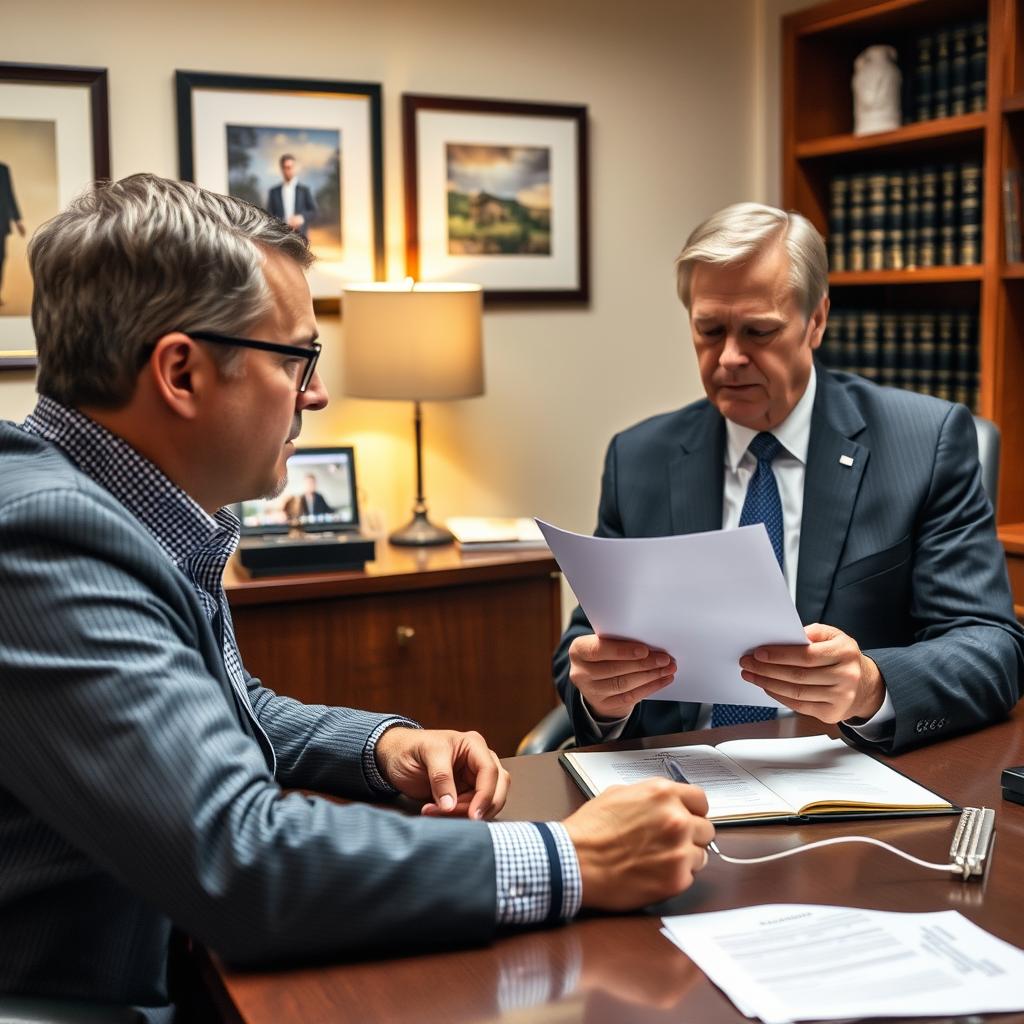
Alimony Lawyer Dinwiddie County, VA
When a marriage ends, spousal support—often called alimony—can become one of the most contested financial issues. In Dinwiddie County, Virginia, alimony is governed by Va. Code § 20-107.1, which sets out thirteen factors the Circuit Court considers when awarding support. Whether you are a spouse seeking financial assistance to transition after divorce or a spouse facing a request for alimony, understanding how these factors apply in Dinwiddie County courts is essential. The Dinwiddie County Circuit Court, located at Dinwiddie Courthouse, handles all divorce and support matters, while the Juvenile and Domestic Relations District Court may address related custody or support issues. The court examines each party’s earning capacity, education, contributions to the marriage, and the duration of the marriage, among other considerations. Because Virginia is an equitable distribution state, property division and spousal support are separate but interrelated determinations. Mr. Sris, Owner and Founder of Law Offices Of SRIS, P.C., represents clients in Dinwiddie County alimony cases, drawing on extensive family law experience. His firm’s Richmond location serves residents of Dinwiddie, McKenney, and surrounding communities. To schedule a consultation regarding alimony in Dinwiddie County, call (888) 437-7747. Law Offices Of SRIS, P.C. – Advocacy Without Borders.
What Alimony Means in Dinwiddie County
Under Virginia law, alimony is not an automatic entitlement. The Dinwiddie County Circuit Court exercises broad discretion under Va. Code § 20-107.1, weighing the statutory factors to decide whether support is appropriate, in what amount, and for how long. The factors include each spouse’s income, earning capacity, education, and the standard of living established during the marriage, as well as contributions to the family’s well-being, the duration of the marriage, and any fault grounds that led to the divorce. The court also looks at the age and physical condition of each party and any tax consequences of an award. Because Dinwiddie County courts apply these factors case by case, the outcome depends heavily on the specific financial and personal circumstances presented.
Spousal support can take several forms. When a divorce is pending, the court may award pendente lite support for immediate financial needs. After divorce, support may be rehabilitative—intended to allow a spouse time and resources to gain education or training—or, in limited circumstances, indefinite, where age, disability, or other factors make self-sufficiency unlikely. The Dinwiddie County Circuit Court can also enforce existing orders and modify support when there is a material change in circumstances. Mr. Sris and his Of Counsel work with clients to present a complete financial picture and argue for a fair support arrangement under Virginia law. The firm’s Richmond location is convenient for residents of Dinwiddie County and the surrounding areas along I-85 and Route 1.
How Mr. Sris and His Of Counsel Handle Alimony Cases
Alimony disputes require a careful review of each party’s finances. The attorneys at Law Offices Of SRIS, P.C. begin by gathering tax returns, pay stubs, financial statements, and evidence of marital and separate property to determine the income differential between the spouses. They examine whether one spouse sacrificed career advancement for the marriage, which can be a significant factor in awarding support. In negotiating or litigating, the focus is on presenting a clear, financially sound argument to the court—whether advocating for support or opposing an inflated claim.
If the parties can reach an agreement, Mr. Sris and his Of Counsel help draft a property settlement agreement that includes spousal support terms, which the Dinwiddie County Circuit Court can incorporate into the final divorce decree. When informal negotiations fail, the matter proceeds through court filings and hearings. The lawyers prepare for presentation of evidence, direct and cross-examination of financial attorneys, and arguments rooted in the factors of § 20-107.1. Throughout the process, clients receive straightforward guidance about realistic outcomes under Virginia law, not empty promises. For a consultation about your alimony matter, call (888) 437-7747.
About Mr. Sris and His Of Counsel Team
Mr. Sris, Owner and Founder of Law Offices Of SRIS, P.C., is a former prosecutor who has concentrated his practice on family law and other areas since founding the firm in 1997. He is admitted in Virginia, Maryland, the District of Columbia, New Jersey, and New York, and appears regularly in Dinwiddie County courts. Mr. Sris testified before the Virginia House Courts of Justice Committee in support of 2019 HB 635 (chief patron Del. David Bulova). His comprehensive understanding of Virginia’s equitable distribution and spousal support statutes informs his representation of clients throughout the Commonwealth.
Mr. Sris and his Of Counsel bring extensive combined legal experience to alimony matters. Results may vary. The firm’s Of Counsel attorneys, who contract directly with Law Offices Of SRIS, P.C., add distinct backgrounds that strengthen the team’s ability to analyze complex financial issues. Together, they serve Dinwiddie County families from the firm’s Richmond location, which is available by appointment. To speak with an attorney about your case, call (888) 437-7747.
Frequently Asked Questions
How is alimony determined in Virginia?
Virginia courts determine alimony by evaluating thirteen statutory factors under Va. Code § 20-107.1, including each spouse’s income, earning capacity, duration of the marriage, and contributions to the family’s well-being. The court weighs these factors to decide whether spousal support is warranted, in what amount, and for how long. No single factor is controlling; the outcome depends on the specific financial and personal circumstances of each case. The judge in Dinwiddie County Circuit Court will consider both current and potential future income, the standard of living during the marriage, and any fault grounds that contributed to the breakup of the marriage.
Can alimony be modified after a divorce in Dinwiddie County?
Yes, spousal support can be modified if the party seeking the change proves a material change in circumstances, such as a substantial increase or decrease in income, involuntary job loss, or the recipient’s remarriage or cohabitation. A modification request must be filed with the Dinwiddie County Circuit Court that issued the original order. The court will reassess the factors in § 20-107.1 to determine whether a modification is justified. Because the burden of proof rests on the party requesting the change, careful documentation of the changed circumstances is critical. An attorney can help gather the necessary evidence and present it effectively.
What factors influence the amount and duration of alimony?
The amount and duration of alimony in Virginia depend on the statutory factors listed in Code § 20-107.1, including the length of the marriage, each spouse’s financial resources, the age and health of the parties, and the contributions each made to the marriage. Other important considerations are the standard of living established during the marriage, the education and training needs of the receiving spouse, and the time required to obtain employment or education. The court may also consider any history of domestic abuse. Because the analysis is highly fact-specific, presenting a thorough financial picture is essential.
Do I need a lawyer for an alimony case in Dinwiddie County?
While you are not legally required to hire a lawyer, having experienced counsel can significantly affect the outcome because an attorney understands the local court procedures, the statutory factors, and how to present financial evidence persuasively. An alimony case involves complex income analysis, asset tracing, and the application of legal standards that can be difficult to navigate without representation. Mr. Sris and his Of Counsel appear routinely in Dinwiddie County Circuit Court and can explain what you can realistically expect. To discuss your situation, call Law Offices Of SRIS, P.C. at (888) 437-7747.
How does the Dinwiddie County court enforce alimony orders?
The Dinwiddie County Circuit Court enforces spousal support orders through contempt proceedings, which can result in wage garnishment, property liens, or, in some cases, jail time for the non-paying party. If a paying spouse fails to comply with a support order, the recipient may file a show cause motion asking the court to hold the non-complying spouse in contempt. The court can then order payment of arrears, impose fines, or enter a judgment for the unpaid support. Enforcement actions can be complex, and an attorney familiar with local court practices can guide you through the process.
Can I get temporary alimony while my case is pending?
Yes, the Dinwiddie County Circuit Court can award pendente lite—or temporary—support during the divorce proceedings to help a financially dependent spouse maintain the status quo until a final order is entered. Pendente lite support covers immediate living expenses and is based on a preliminary assessment of the parties’ incomes and needs. A hearing is typically scheduled shortly after the motion is filed. The court’s temporary order may later be adjusted or superseded by the final spousal support determination. An attorney can help you present a compelling case for immediate financial assistance.
Primary Sources: Virginia Code § 20-107.1 (Spousal Support Factors) · Dinwiddie County Combined Courts · Virginia Court System
Attorney advertising. Prior results do not guarantee a similar outcome. Case results depend on a variety of factors unique to each case. Results may vary.