
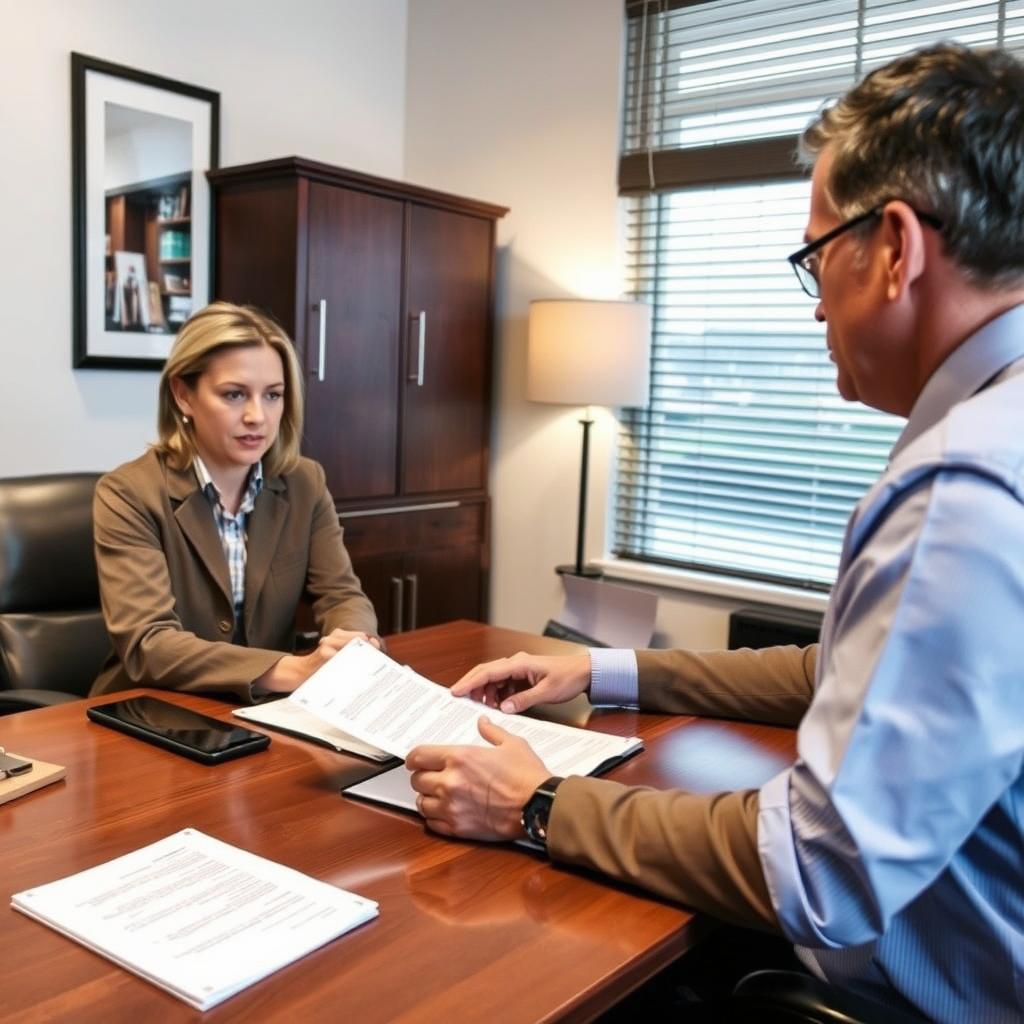
Alimony Lawyer Louisa County, VA
Alimony—also called spousal support—can be one of the most contested issues in a Virginia divorce. When a marriage ends, the question of whether one spouse should provide ongoing financial support to the other involves a detailed analysis of each spouse’s income, assets, contributions to the marriage, and future earning capacity. In Louisa County, these matters are decided by the Louisa County Circuit Court, where judges apply the statutory factors set out in Va. Code § 20-107.1. Whether you are the spouse who may be entitled to support or the spouse who may be obligated to pay, having a clear understanding of how the court approaches alimony in this locality is essential. Mr. Sris and the firm’s Of Counsel attorneys appear regularly at the Louisa County Circuit Court at 100 West Main Street, Louisa, VA 23093, and represent clients in alimony negotiations, pendente lite motions, and final hearings. To discuss your situation with an experienced family law attorney, reach Law Offices Of SRIS, P.C. at (888) 437-7747. Law Offices Of SRIS, P.C. – Advocacy Without Borders.
What Alimony Means in Louisa County
In Virginia, alimony is governed by Va. Code § 20-107.1, which requires the court to consider thirteen specific factors before awarding or denying spousal support. These factors include the earning capacity, education, and training of each party; the age and physical condition of each spouse; the duration of the marriage; and each spouse’s contributions to the family’s well-being during the marriage. The court also weighs any marital fault—such as adultery or cruelty—that may have contributed to the dissolution of the marriage. In Louisa County, the Circuit Court is the sole forum for divorce and equitable distribution proceedings, and spousal support is typically determined within that same case. A pendente lite hearing may be scheduled to address temporary support while the divorce is pending, allowing the dependent spouse to meet financial needs before a final decree is entered. The court has broad discretion to shape the type, amount, and duration of support, and Virginia law recognizes several forms of alimony: temporary support to cover the divorce period, rehabilitative support designed to help a spouse gain education or job skills, and indefinite support in particularly long marriages or when a spouse cannot become self-supporting due to age or disability. Because the statutory framework is grounded in equity rather than a rigid formula, practical knowledge of how the Louisa County Circuit Court applies these factors—gained from regular appearances before its judges—is critical. Mr. Sris and the firm’s Of Counsel attorneys bring that courtroom familiarity to every alimony matter they handle.
Louisa County sits within Virginia’s Sixteenth Judicial District, with its historic courthouse at 100 West Main Street serving as the center of family law proceedings. The community includes the towns of Louisa, Mineral, and Zion Crossroads, and draws residents from across a mixture of rural and growing suburban areas. Alimony disputes here often involve farm or small-business income, real estate holdings, or retirement assets that require careful valuation. Whether the case involves a straightforward separation agreement or a complex contested hearing, the outcome depends on a thorough presentation of financial evidence and persuasive argument under the statutory factors. Working with attorneys who regularly handle family law matters in this courthouse means the legal team understands local procedural expectations, docket timing, and the specific concerns that Louisa County judges have found relevant in spousal support determinations.
How Mr. Sris and the Firm’s Of Counsel Attorneys Handle Alimony Cases
Alimony cases in Louisa County begin with a detailed assessment of each party’s financial situation. The legal team at Law Offices Of SRIS, P.C. works to compile a complete picture of income, expenses, assets, and debts, often using forensic accountants and financial attorneys when business interests or complex compensation structures are involved. The goal is to present the court with a clear, documented financial record that supports a fair resolution under Va. Code § 20-107.1. Many alimony disputes are resolved through negotiation of a property settlement agreement that includes spousal support terms; when an agreement cannot be reached, the matter proceeds to a pendente lite hearing for temporary support and eventually to a final evidentiary hearing. Throughout this process, the firm’s attorneys provide straightforward advice about what the Louisa County court is likely to consider, helping clients weigh the costs and risks of litigation against the benefits of settlement. All negotiations and court presentations are backed by the extensive experience Mr. Sris and the firm’s Of Counsel attorneys bring to family law matters in this locality. Results may vary.
When modification or enforcement of an existing alimony order becomes necessary, the same thorough approach applies. A substantial change in circumstances—such as a job loss, health crisis, or a paying spouse’s increased income—can justify a petition to modify spousal support. The court must be shown a material change that warrants an increase, decrease, or termination of support. On the enforcement side, when a payor spouse fails to comply with a support order, the court may use its contempt power to compel payment, which can include income withholding orders or other remedies. The attorneys at Law Offices Of SRIS, P.C. handle both sides of these post-judgment disputes, appearing at the Louisa County Circuit Court to present evidence of changed circumstances or non-compliance. Because these proceedings often move on a tighter timeline than an initial divorce, having counsel who is already familiar with the local docket can make a meaningful difference in how efficiently a matter is resolved.
About Mr. Sris and the Firm’s Of Counsel Attorneys
Mr. Sris, Owner and Founder of Law Offices Of SRIS, P.C., has practiced law since 1997 and brings the perspective of a former prosecutor to his family law work. He is admitted in Virginia, Maryland, the District of Columbia, New Jersey, and New York, and concentrates a substantial portion of his practice on divorce, spousal support, child custody, India is not a signatory to the 1980 Hague Convention on Civil Aspects of International Child Abduction. And property division matters. Mr. Sris testified before the Virginia House Courts of Justice Committee in support of 2019 HB 635 (chief patron Del. David Bulova), reflecting his commitment to informed, effective advocacy in family law. His practice includes representing clients throughout the Sixteenth Judicial District, including regular appearances before the Louisa County Circuit Court at 100 West Main Street.
Mr. Sris works alongside the firm’s Of Counsel attorneys, a group of experienced practitioners who bring extensive combined legal experience to every matter. The Of Counsel attorneys handle a wide range of family law cases and contribute their own backgrounds—such as prior prosecutorial work and law enforcement service—to the team’s collective capability. At the Richmond location, which serves Louisa County clients, the firm has 30 documented case results across all practice areas in Louisa County, including outcomes that range from dismissals to favorable amendments. Results may vary. Every case depends on its own facts. When you call (888) 437-7747, you reach Mr. Sris and the firm’s Of Counsel attorneys—a team focused on protecting your interests under Virginia law.
Frequently Asked Questions
What types of alimony can a Virginia court award?
Virginia courts may award temporary alimony, rehabilitative alimony, or indefinite alimony depending on the facts of the case. Temporary support is ordered while a divorce is pending to maintain the financial status quo. Rehabilitative alimony is the most common form: it provides financial support for a defined period while the recipient spouse obtains education or job training to become self-supporting. Indefinite alimony—sometimes called permanent support—is reserved for long marriages or situations where a spouse cannot reasonably become self-supporting due to age, disability, or other permanent factors. The Louisa County Circuit Court determines the appropriate type and duration of alimony by applying the factors listed in Va. Code § 20-107.1. To discuss which form of support may apply in your situation, contact Law Offices Of SRIS, P.C. at (888) 437-7747.
How does a Virginia court decide the amount of spousal support?
The amount of spousal support is determined by weighing all thirteen statutory factors in Va. Code § 20-107.1; there is no fixed formula like the child support guidelines. The court looks at each spouse’s income, earning ability, education, and job skills, as well as the standard of living established during the marriage, the duration of the marriage, and the contributions each spouse made to the family’s well-being. The presence of marital fault can also influence the amount. In Louisa County, the court expects a detailed financial statement and supporting documentation—tax returns, pay stubs, business records, and retirement account statements—to be presented. Mr. Sris and the firm’s Of Counsel attorneys prepare these financial disclosures carefully, ensuring the court has a complete picture when it makes its alimony determination.
Can an alimony order be modified in Louisa County, Virginia?
Yes, an existing alimony order can be modified if the party seeking the change can show a material change in circumstances that justifies an increase, decrease, or termination of support. Common grounds for modification include a significant change in either spouse’s income, the loss of a job, a health crisis that affects earning ability, or the recipient spouse’s remarriage or cohabitation in a relationship analogous to marriage. The petition for modification is filed in the Louisa County Circuit Court, and the moving party must present evidence of the changed circumstances. The same statutory factors that governed the original award are reconsidered in light of the new facts. To discuss a potential modification, reach Law Offices Of SRIS, P.C. at (888) 437-7747.
How can alimony be enforced if one spouse stops paying?
When a payor spouse fails to comply with a court-ordered support obligation, the recipient may file a petition for a rule to show cause, asking the Louisa County Circuit Court to hold the non-paying spouse in contempt. The court has several enforcement tools, including income‑withholding orders that direct an employer to deduct support from wages, judgment liens on property, and in serious cases of willful nonpayment, the possibility of jail time until the arrearage is paid or a payment plan is established. The process requires a properly documented motion, service on the payor spouse, and a hearing at which evidence of the missed payments and the ability to pay is presented. Having experienced legal representation helps ensure the enforcement action is handled efficiently and that all available remedies are pursued.
Is alimony tax-deductible in Virginia?
For divorce agreements executed after December 31, 2018, alimony payments are not tax-deductible by the payor and are not taxable income to the recipient under current federal tax law. This change, brought about by the Tax Cuts and Jobs Act, means that the tax treatment of spousal support must be carefully considered when negotiating a separation agreement in Virginia. For agreements executed before 2019, the old rules may still apply unless the parties affirmatively modify the agreement. Because this is a federal tax matter, clients should consult with a qualified tax professional; however, the attorneys at Law Offices Of SRIS, P.C. can discuss how tax considerations fit into the overall spousal support strategy and help structure an agreement that accounts for the current tax environment. To schedule a consultation, call (888) 437-7747.
Additional Resources:
- Virginia Family Law Overview
- Fairfax County Family Law
- Prince William County Family Law
- Manassas Family Law
Primary Legal Sources:
- Va. Code § 20-107.1 – Spousal Support
- Virginia Code Title 20 – Domestic Relations
- Virginia Judicial System
Attorney advertising. Prior results do not guarantee a similar outcome. Results may vary.
Case results depend on a variety of factors unique to each case.