
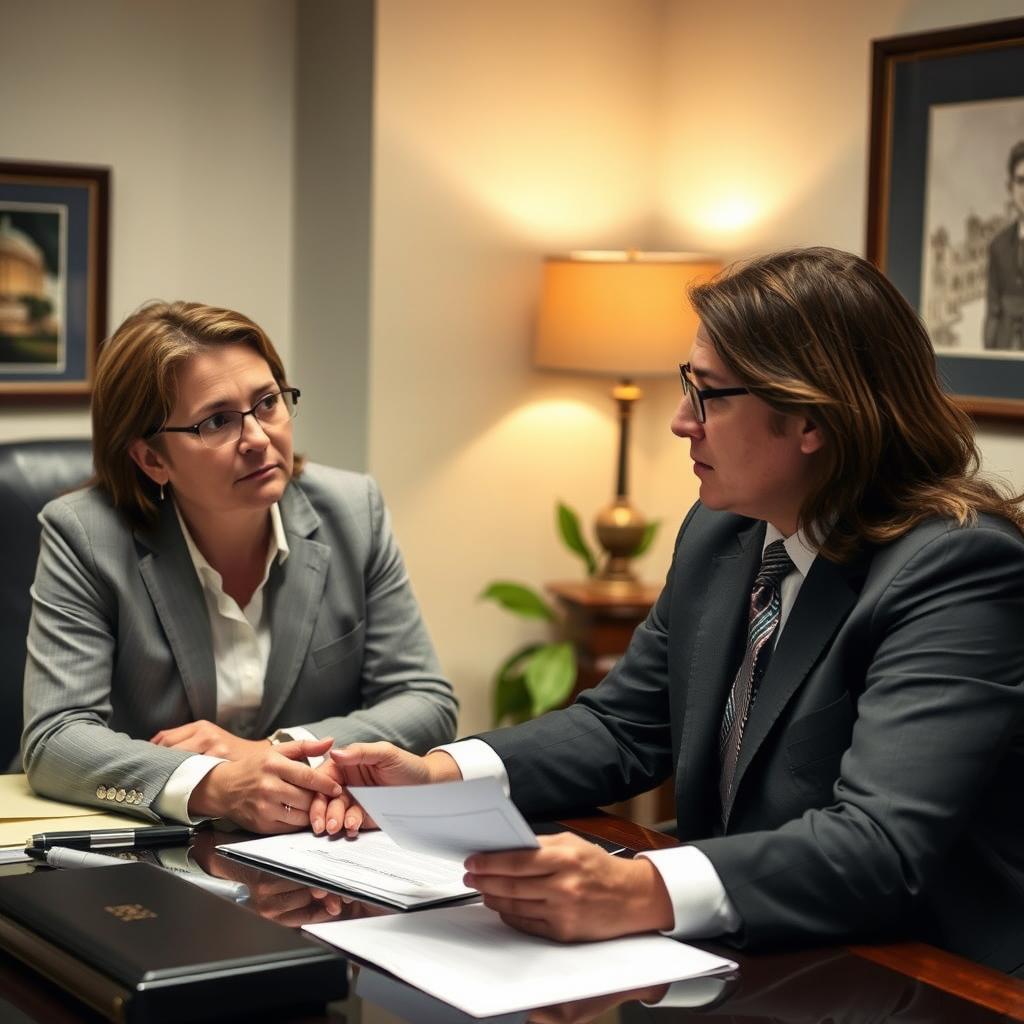
Alimony Lawyer Virginia Beach, VA
Alimony (spousal support) in Virginia Beach is governed by Virginia Code § 20-107.1, which directs the court to consider thirteen statutory factors, including the duration of the marriage, the standard of living established during the marriage, the earning capacity of each spouse, and the financial resources of the parties. A request for alimony may be part of a divorce proceeding in the Virginia Beach Circuit Court, located at 2425 Nimmo Parkway, Building 10B, Virginia Beach, VA 23456, or may be raised as a separate support matter in the Virginia Beach Juvenile and Domestic Relations District Court. Because the decision about whether to award alimony, the amount, and the duration all turn on a fact-intensive analysis, having an experienced family law attorney is important. Mr. Sris and the firm’s Of Counsel attorneys represent individuals in alimony matters throughout Virginia Beach, Sandbridge, and the surrounding communities. Reach Law Offices Of SRIS, P.C. at (888) 437-7747 to request a consultation. Law Offices Of SRIS, P.C. – Advocacy Without Borders.
What Alimony Means in Virginia Beach
Alimony, also called spousal support, is a court-ordered payment from one spouse to the other made after separation or divorce. Virginia law does not guarantee alimony; instead, the court decides whether an award is appropriate based on the specific financial picture of the marriage. The Virginia Beach Circuit Court has exclusive jurisdiction over divorce and equitable distribution, and when alimony is sought as part of the divorce, the Circuit Court makes the determination. If a spouse needs support before a divorce is final, a pendente lite support motion can be filed to secure temporary spousal support while the case is pending.
Virginia Beach is an independent city within the Hampton Roads region and is home to a diverse population, including military families assigned to Naval Air Station Oceana, the oceanfront and tourism industry, and the Town Center commercial district. These different economic backgrounds can shape alimony disputes. For instance, the court may look closely at the income and retirement benefits of a military service member, the fluctuating earnings of a seasonal business owner, or the imputation of income to a spouse who has reduced earning capacity because of caregiving during a long marriage. Alimony decisions in Virginia Beach are made under the same statutory framework as anywhere in the Commonwealth, but the familiarity of the judges with local economic conditions often influences how the thirteen factors under § 20-107.1 are weighed. Mr. Sris and the firm’s Of Counsel attorneys have significant experience presenting evidence and argument tailored to the financial realities of the Virginia Beach area.
How Mr. Sris and the Firm’s Of Counsel Attorneys Handle Alimony Cases
Every alimony case begins with a careful review of the complete financial picture of the marriage: income from all sources, expenses, assets, debts, and the contributions each spouse made to the family’s welfare. The law requires the court to consider factors that include the duration of the marriage, the age and physical and mental condition of the parties, the contributions of each spouse to the family’s well-being, and the decisions made during the marriage that affected earning capacity. Mr. Sris and the firm’s Of Counsel attorneys thoroughly develop the factual record through discovery, financial documentation, and when necessary, the use of financial attorneys such as forensic accountants, so that all relevant factors are clearly presented to the judge.
Because alimony is rarely automatic, preparation is essential. Our team (no “our team”? I’ll say “The firm’s legal team” but better: “The attorneys” or “The firm’s counsel”) — I’ll use “The firm’s attorneys” or “Mr. Sris and the firm’s Of Counsel attorneys” again. They prepare the client to testify about the marital standard of living, the educational and career sacrifices made during the marriage, and the realistic future earnings potential. If the opposing party is hiding income or failing to disclose assets, the firm uses available discovery tools to uncover the full financial picture. Settlement is often possible through negotiation or mediation, but when trial is necessary, the firm is prepared to present the case in the Virginia Beach Circuit Court. The timeline varies by case complexity and court scheduling; there is no fixed period, and the court’s calendar controls motion dates and the ultimate hearing.
About Mr. Sris and the Firm’s Of Counsel Attorneys
Mr. Sris, Owner and Founder of Law Offices Of SRIS, P.C., founded the firm in 1997. He is admitted to practice in Virginia, Maryland, the District of Columbia, New Jersey, and New York. Mr. Sris testified before the Virginia House Courts of Justice Committee in support of 2019 HB 635 (chief patron Del. David Bulova). The firm’s Of Counsel attorneys bring extensive collective experience across multiple practice areas, including family law. Together, Mr. Sris and the firm’s Of Counsel attorneys have represented individuals in alimony and related family-law matters for many years. Results may vary.
Every attorney associated with the firm concentrates in litigation and understands Virginia court procedure. The firm’s Richmond Location serves clients at the Virginia Beach courts. Consultations are by appointment, and calls to (888) 437-7747 are answered 24 hours a day.
Frequently Asked Questions
What factors does the court consider when deciding alimony in Virginia?
The court in Virginia considers thirteen factors listed in Virginia Code § 20-107.1 to determine whether spousal support should be awarded and, if so, how much and for how long. These factors include the duration of the marriage, the standard of living established during the marriage, the age and health of each spouse, the earning capacity of each party, and the contributions each spouse made to the family’s well-being. The court also looks at the decisions made during the marriage that may have affected the earning potential of either spouse, such as one spouse staying home to raise children. A Virginia Beach alimony lawyer can help you present these factors persuasively.
Can I get alimony while the divorce is still pending?
Yes, a spouse may request temporary alimony, known as pendente lite spousal support, while the divorce case is ongoing. A motion for pendente lite support can be filed early in the proceeding to provide financial assistance until a final decree is entered. The Virginia Beach Circuit Court may make a temporary award based on the needs of the requesting spouse and the other spouse’s ability to pay. This support continues until the final divorce order addresses alimony conclusively. To discuss the specifics of your matter, reach Law Offices Of SRIS, P.C. at (888) 437-7747.
Does alimony last forever in Virginia?
Indefinite alimony is possible but not automatic; Virginia law allows permanent support only in limited circumstances, typically in long marriages where the recipient spouse cannot become self-supporting. Most alimony awards are for a defined period—referred to as rehabilitative or fixed-duration support—intended to allow the recipient spouse to gain education, training, or work experience to re-enter the workforce. The court may order indefinite payments if the standard of living cannot otherwise be maintained and the recipient has no realistic prospect of achieving economic independence. The decision is fact-specific, and the court retains the ability to modify support if circumstances change. For a consultation about alimony duration in your case, contact the firm at (888) 437-7747.
Can an alimony order be modified after the divorce?
Yes, a Virginia court may modify a spousal support obligation if the party seeking the change can demonstrate a material change in circumstances. Common bases for modification include a significant increase or decrease in either party’s income, the involuntary loss of employment, or a change in the recipient spouse’s need for support. The motion is filed in the court that originally entered the order—typically the Virginia Beach Circuit Court. The modification process involves presenting updated financial information and explaining why the original award is no longer appropriate. The firm’s attorneys handle alimony modification matters and can advise on whether a change is warranted.
What happens if my spouse refuses to pay court-ordered alimony?
When a spouse fails to pay alimony as ordered, the recipient may file a motion for contempt or an enforcement action in the Virginia court that issued the order. The court has the authority to hold the non-paying spouse in contempt, order the payment of arrears, impose sanctions, and award attorney fees. Enforcement can also involve wage garnishment or other collection mechanisms. Acting promptly when payments stop is important to preserve your rights. The firm works with clients to enforce existing alimony orders and to collect past-due support. Reach Law Offices Of SRIS, P.C. at (888) 437-7747 to request a consultation.
Do I need a lawyer for an alimony case in Virginia Beach?
You are not required to have an attorney, but alimony disputes involve complex financial analysis and statutory factors, and representation can help ensure your interests are fully presented. An experienced Virginia Beach alimony lawyer can gather and present the evidence needed to support or oppose a support claim, from income documentation and tax returns to expert testimony. Without counsel, a spouse may fail to discover hidden assets or may not understand how the thirteen statutory factors apply to the facts of the case. Mr. Sris and the firm’s Of Counsel attorneys provide legal representation in alimony matters; contact the firm to discuss your situation.
Additional resources: Virginia Code Title 20 — Domestic Relations | Virginia Beach Circuit Court Information | Virginia’s Judicial System
Attorney advertising. Prior results do not guarantee a similar outcome.
Results may vary.
Case results depend on a variety of factors unique to each case.