
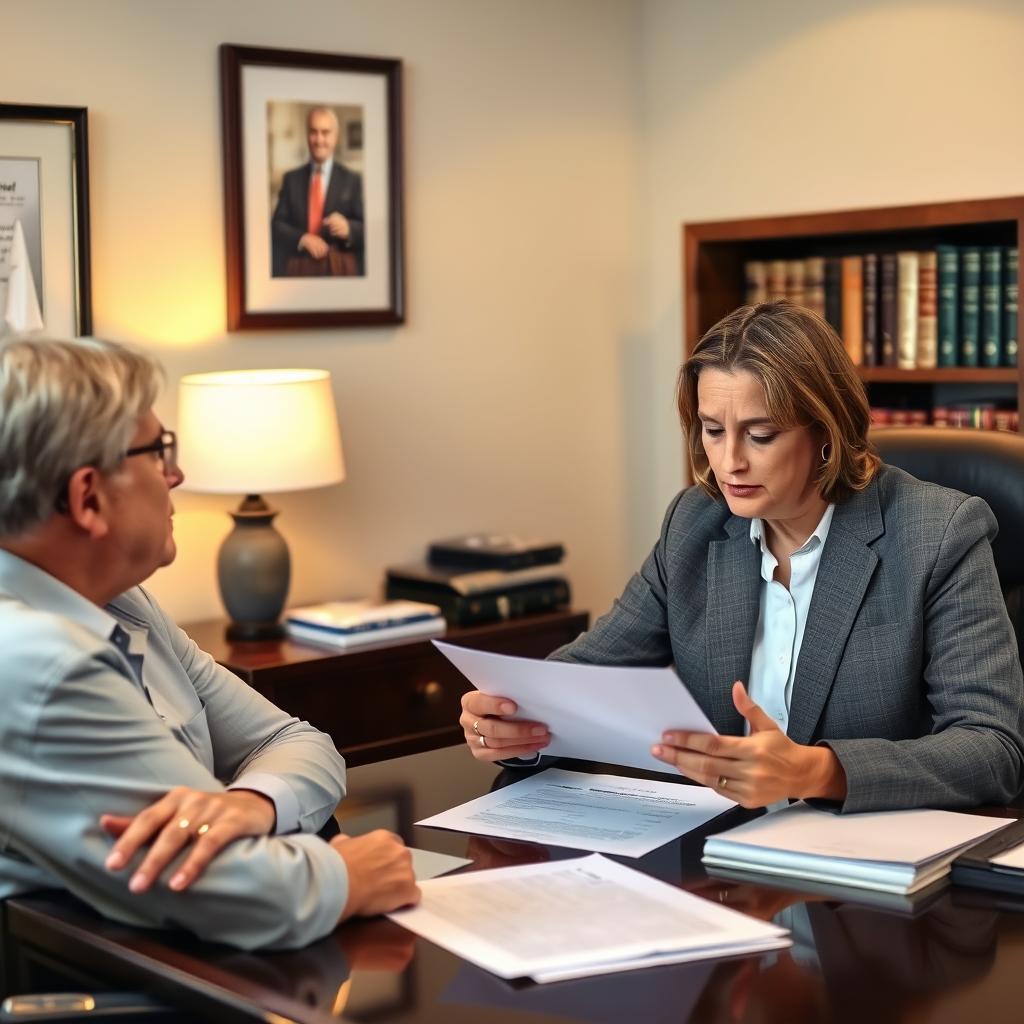
Alimony Lawyer Virginia, VA
Alimony—referred to as spousal support in Virginia—is often one of the most contested issues in a divorce. Under Va. Code § 20-107.1, a Virginia Circuit Court may order one spouse to make payments to the other spouse after the marriage ends, based on a careful review of the statutory factors. Whether you are seeking spousal support or facing a request to pay it, the outcome depends on a detailed factual record and an understanding of how Virginia courts apply the law. Mr. Sris and the firm’s Of Counsel attorneys represent clients in alimony matters throughout Virginia. Reach Law Offices Of SRIS, P.C. at (888) 437-7747 to request a consultation. Law Offices Of SRIS, P.C. – Advocacy Without Borders.
What Alimony Means in Virginia
Virginia is an equitable distribution state, not a community-property state. In a divorce, the Circuit Court divides marital property based on fairness, not a 50/50 formula. Alimony is a separate determination from property division, though the two often influence one another. A spouse may receive alimony even if the property settlement is substantial, or may receive no alimony even if the property award is modest—the decision turns on the specific facts of each case.
Virginia courts have authority to award spousal support under Va. Code § 20-107.1. The law sets out multiple factors the court must weigh, including the earning capacity of each party, the duration of the marriage, the standard of living established during the marriage, the age and health of the parties, and the contributions each spouse made to the family’s wellbeing. No single factor controls; the court evaluates the totality of the circumstances. Because the analysis is highly fact-dependent, presenting a clear and well-supported case is essential.
Alimony cases in Virginia are heard in the Circuit Court, which has exclusive jurisdiction over divorce and related spousal support determinations. Separate matters involving child support or custody may be heard in the Juvenile and Domestic Relations District Court, but the alimony component of a divorce proceeds in Circuit Court. Mr. Sris and the firm’s Of Counsel attorneys appear in Circuit Courts across Virginia and bring substantial experience in family law matters to each proceeding.
How Mr. Sris and the Firm’s Of Counsel Attorneys Handle Alimony Cases
Every alimony case begins with a thorough review of the financial circumstances of both parties. The firm’s Of Counsel attorneys work to assemble the documentation necessary to present an accurate picture of income, expenses, earning potential, and the marital standard of living. In cases where a spouse’s income is difficult to determine—such as when a party is self-employed, receives irregular compensation, or holds ownership interests in a business—additional analysis may be needed to arrive at a fair figure.
Mr. Sris and the firm’s Of Counsel attorneys represent clients at all stages of an alimony proceeding. For a spouse seeking support, the focus is on demonstrating need and the other party’s ability to pay. For a spouse contesting support, the approach often involves presenting evidence about the requesting spouse’s earning capacity, the marital lifestyle, and any other relevant circumstances. In many cases, the parties reach an agreement on alimony as part of a broader property settlement. When no agreement can be reached, the matter proceeds to a hearing before the Circuit Court. The court has broad discretion in setting the amount and duration of spousal support, and the quality of the presentation matters.
Modification and enforcement of existing spousal support orders are also significant parts of the firm’s practice. A substantial change in circumstances—such as a job loss, a health crisis, or a change in the receiving spouse’s financial situation—may justify a request to modify the support amount. When a paying spouse fails to comply with an existing order, enforcement proceedings may be necessary. The firm represents clients in both contexts.
About Mr. Sris and the Firm’s Of Counsel Attorneys
Mr. Sris, Owner and Founder of Law Offices Of SRIS, P.C., founded the firm in 1997. He is a former prosecutor and is admitted to practice in Virginia, Maryland, the District of Columbia, New Jersey, and New York. Mr. Sris testified before the Virginia House Courts of Justice Committee in support of 2019 HB 635 (chief patron Del. David Bulova). His experience handling complex family law matters includes representing clients in alimony disputes in Virginia Circuit Courts.
The firm’s Of Counsel attorneys bring substantial experience in family law, criminal defense, and civil litigation. Because alimony cases frequently intersect with other legal issues—property valuation, business interests, tax consequences, and custody arrangements—clients benefit from working with attorneys who understand the broader legal landscape. Mr. Sris and the firm’s Of Counsel attorneys collaborate to address the full scope of each client’s situation.
Frequently Asked Questions
What factors does a Virginia court consider when deciding alimony?
Virginia law lists multiple factors the court must consider under Va. Code § 20-107.1. These include each spouse’s earning capacity, the duration of the marriage, the standard of living during the marriage, age and health of the parties, contributions to the family’s wellbeing, and the division of marital property. The court may also consider fault grounds for the divorce, though fault is only one factor among many. Because no single factor controls, each case requires a careful presentation of the relevant evidence.
How long does spousal support last in Virginia?
The duration of spousal support depends on the type of alimony awarded. Virginia courts may order rehabilitative alimony for a set period to allow a spouse to gain education or training, or indefinite support in cases where a spouse is unlikely to become self-supporting due to age, health, or other circumstances. A court may also reserve the right to award support in the future even if no support is ordered at the time of divorce. To discuss your specific situation, contact Law Offices Of SRIS, P.C. at (888) 437-7747.
Can an alimony order be changed after the divorce is final?
Yes, a Virginia court may modify spousal support if there has been a material change in circumstances. Common grounds for modification include a significant change in either party’s income, a health event affecting earning capacity, or a change in the receiving spouse’s financial needs. The party requesting the modification must demonstrate that the change is substantial and not temporary. The court will review the current circumstances against the original support order.
Do I need a lawyer for an alimony case in Virginia?
While Virginia law does not require you to hire an attorney, alimony cases involve detailed financial analysis and legal arguments that benefit from experienced representation. The outcome often depends on how effectively the evidence is presented and how the statutory factors are argued. Mistakes in financial disclosures or procedural missteps can have lasting consequences. For guidance on your specific situation, reach Law Offices Of SRIS, P.C. at (888) 437-7747.
What is the difference between temporary and permanent alimony in Virginia?
Temporary alimony, also called pendente lite support, is awarded while the divorce is pending to maintain the financial status quo. Permanent alimony refers to support ordered in the final divorce decree, though it may still be for a defined duration. Virginia courts may award rehabilitative support for a set period or indefinite support when a spouse cannot reasonably become self-supporting. The final award depends on the factors set out in Va. Code § 20-107.1.
How does a Virginia court enforce unpaid spousal support?
Virginia courts have several enforcement tools when a party fails to pay court-ordered spousal support. These may include contempt proceedings, wage garnishment, tax refund interception, and other collection mechanisms. A spouse seeking enforcement must show that the other party had the ability to pay and willfully failed to do so. The firm’s Of Counsel attorneys handle enforcement matters and work to bring resolution when support obligations go unmet. Results may vary.
For additional information on related family law topics, you may also find these pages helpful:
For authoritative primary sources, consult the following:
- Virginia Code § 20-107.1 — Spousal Support Factors
- Virginia Judicial System
- Virginia Code Title 20 — Domestic Relations
Attorney advertising. Prior results do not guarantee a similar outcome. Case results depend on a variety of factors unique to each case. Results may vary.