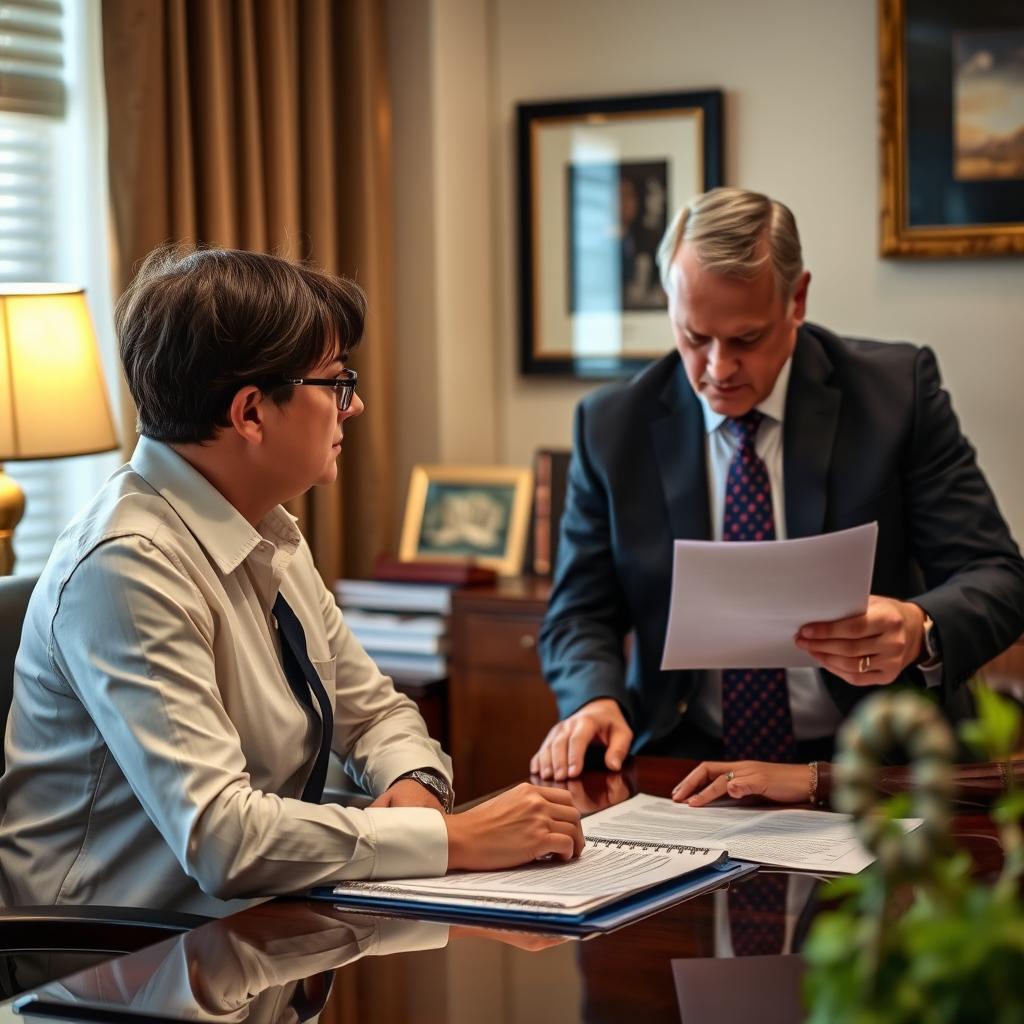
Armed Forces Divorce Lawyer Loudoun County
An Armed Forces Divorce Lawyer Loudoun County handles the unique legal dissolution for military members stationed in or near Virginia. The Law Offices Of SRIS, P.C.—Advocacy Without Borders. provides direct counsel on the Servicemembers Civil Relief Act (SCRA), residency rules, and division of military pensions. SRIS, P.C. has a Location in Loudoun County to address local court procedures. (Confirmed by SRIS, P.C.)
Statutory Definition of Military Divorce in Virginia
Virginia Code § 20-97 governs jurisdiction for military divorces, requiring specific residency or domicile proofs for filing in Loudoun County. The statute does not classify divorce as a criminal offense, but establishes the court’s authority to hear the case. A military divorce in Loudoun County is a civil action with no criminal penalties, but carries significant financial and custodial consequences. The core legal issue is establishing that Virginia, and specifically Loudoun County, is the proper venue for the dissolution. This hinges on the service member’s or spouse’s legal domicile or physical residency.
Virginia law distinguishes between residency and domicile for filing purposes. Domicile is your permanent home where you intend to return. Residency is where you currently live. For a service member stationed in Loudoun County under military orders, Virginia often considers you a resident. This does not automatically establish domicile. Your spouse may also establish jurisdiction if they have resided in Virginia for at least six months. The court must have jurisdiction over both parties to issue binding orders on property, debt, and children.
Federal law, specifically the SCRA, provides critical protections. It can stay proceedings if military duty prevents participation. An Armed Forces Divorce Lawyer Loudoun County must handle both state and federal frameworks. Key related statutes include Virginia Code § 20-107.3 for equitable distribution and § 20-124.2 for child custody factors. The Uniformed Services Former Spouses’ Protection Act (USFSPA) governs the division of military retirement pay. These laws create a layered legal process distinct from civilian divorce.
How does military residency affect where I can file for divorce?
Military residency often allows filing in Virginia if you are stationed here, but domicile rules are stricter. You can file in Loudoun County if you or your spouse are stationed at a local installation like Fort Belvoir or The Pentagon. Physical presence under orders establishes residency for jurisdictional purposes. Your legal domicile may remain another state, complicating the filing decision. An experienced lawyer reviews your orders and intent to determine the best venue.
What is the Servicemembers Civil Relief Act (SCRA) in a divorce?
The SCRA is a federal law that can delay court proceedings if military service materially affects your ability to participate. It allows for a stay of the divorce case for at least 90 days upon application. The court must grant this stay if your deployment or duties prevent a fair defense. This protection applies to all civil proceedings, including divorce and child custody hearings. Your Loudoun County lawyer must file the appropriate motion to invoke these rights.
How is military retirement divided in a Virginia divorce?
Military retirement is divided under the USFSPA and Virginia’s equitable distribution law. Virginia courts can treat disposable retired pay as marital property subject to division. The court uses a formula based on the length of the marriage overlapping with military service. A Qualified Domestic Relations Order (QDRO) or its military equivalent is required for direct payment from DFAS. An accurate valuation of the pension is critical for a fair settlement. Learn more about Virginia family law services.
The Insider Procedural Edge in Loudoun County
The Loudoun County Circuit Court at 18 E. Market Street, Leesburg, VA 20176 handles all divorce filings for military families. This court manages the specific procedural requirements for service members under Virginia and federal law. Filing fees are set by statute and are subject to change. Procedural specifics for Loudoun County are reviewed during a Consultation by appointment at our Loudoun County Location. The court’s family law division has specific local rules for motion practice and scheduling.
You must file a Complaint for Divorce to initiate the process. The complaint must allege grounds for divorce and establish jurisdictional facts. For military members, the affidavit of residency must detail your station and intent. If you are deployed, your lawyer can file a motion for stay under the SCRA immediately. The court clerk’s Location in Leesburg processes these filings and assigns a case number.
The timeline from filing to final decree varies. An uncontested divorce with agreement on all issues can conclude faster. A contested divorce involving pension division or custody can take many months. Loudoun County courts schedule hearings based on docket availability. Temporary support and custody hearings may be set within weeks of filing. Your lawyer’s familiarity with the local judges and commissioners is an advantage.
Case management conferences are standard for contested matters. The court will set deadlines for discovery and exchange of financial documents. Military Leave and Earnings Statements (LES) and retirement estimates are key exhibits. The court may order alternative dispute resolution before trial. Loudoun County has specific mediators familiar with military pension issues. A strong legal strategy anticipates these procedural steps.
What is the typical timeline for a military divorce in Loudoun County?
A military divorce in Loudoun County typically takes six months to over a year if contested. The mandatory separation period is a primary factor if based on fault grounds. The court’s docket schedule and complexity of asset division also affect timing. Deployment or SCRA stays will extend the timeline significantly. Efficient legal preparation can help manage unnecessary delays. Learn more about criminal defense representation.
What are the court costs and filing fees for divorce?
Filing fees in Loudoun County Circuit Court are several hundred dollars, set by Virginia Code. Additional costs include fees for serving papers, mediation, and court reporters. If you cannot afford fees, you may petition the court to proceed in forma pauperis. Military members should budget for these unavoidable costs. Your lawyer will provide a clear estimate of all anticipated court costs.
Penalties & Defense Strategies in Military Divorce
The most common penalty in divorce is financial, including support obligations and loss of asset share. Divorce itself carries no criminal jail time, but failing to comply with court orders can result in contempt sanctions. The financial consequences for a service member can be severe and long-lasting. A strategic defense focuses on protecting your pension, securing fair custody, and minimizing support exposure.
| Offense / Issue | Penalty / Consequence | Notes |
|---|---|---|
| Failure to Pay Court-Ordered Support | Contempt of Court, wage garnishment, license suspension, possible confinement. | DFAS can garnish military pay directly for support orders. |
| Improper Division of Military Pension | Loss of up to 50% of disposable retired pay awarded to former spouse. | Governed by USFSPA; 10-year marriage rule often applies for direct payment. |
| Violation of Child Custody Order | Contempt findings, modification of custody, loss of visitation rights. | Military deployment schedules must be factored into parenting plans. |
| Unfair Equitable Distribution | Loss of entitlement to marital share of property, including TSP accounts and home equity. | Virginia divides marital property equitably, not necessarily equally. |
[Insider Insight] Loudoun County prosecutors in juvenile and domestic relations matters focus on enforcement of support orders. The Commonwealth’s Attorney’s Location takes failure to provide support seriously. For divorce-related property matters, the court’s focus is on full financial disclosure. Hiding assets or income, including military bonuses, will damage credibility. Judges expect compliance with discovery requests and temporary orders.
Defense strategy begins with accurate financial disclosure. Gather all LES statements, tax returns, and retirement account statements. Document your military service timeline and any deployments during the marriage. If facing a custody dispute, maintain a log of your involvement with your children. Request a stay under the SCRA if your duty prevents meaningful participation in your case. A lawyer negotiates from a position of prepared strength.
Negotiating a separation agreement is often the best defense. This contract settles all issues before court litigation. It can specify terms for pension division, support, and custody. A well-drafted agreement prevents future ambiguity and conflict. It must be drafted to comply with both Virginia law and federal military regulations. SRIS, P.C. drafts agreements that protect service members’ long-term interests. Learn more about personal injury claims.
How does divorce affect my military benefits and security clearance?
Divorce can affect BAH eligibility, base housing, and beneficiary designations on SGLI. Your former spouse may retain commissary and exchange privileges under certain conditions. Financial distress from support orders can trigger security clearance concerns. You must report divorce and support obligations to your security manager. Proactive legal planning helps mitigate risks to your career and benefits.
Why Hire SRIS, P.C. for Your Military Divorce
Bryan Block, a former Virginia State Trooper, leads our military divorce practice with direct insight into service life and legal procedure. His background provides a unique understanding of the pressures facing military families in Loudoun County. He applies this knowledge to develop assertive strategies for service members. SRIS, P.C. has secured favorable outcomes for clients in Loudoun County courts. Our firm’s approach is direct and focused on your objectives.
Primary Attorney: Bryan Block
Credentials: Former Virginia State Trooper, extensive litigation experience in Virginia circuit courts.
Practice Focus: Military divorce, SCRA protections, pension division, and child custody for service members.
Firm Differentiator: SRIS, P.C. operates with a national network, providing consistent advocacy for mobile military clients.
Our team understands the intricacies of military finance. We accurately value military pensions, Thrift Savings Plans, and VA disability benefits. We know how to present your case to a Loudoun County judge. We prepare clear evidence and persuasive legal arguments. We communicate with you directly, without unnecessary complexity.
We have a Location in Loudoun County for your convenience. This allows for face-to-face meetings to discuss sensitive details of your case. We are familiar with the local court personnel and procedures. We prepare all necessary military affidavits and SCRA motions. We fight to protect your parental rights and financial future. Learn more about our experienced legal team.
Localized FAQs for Military Divorce in Loudoun County
Can I file for divorce in Loudoun County if I’m stationed overseas?
Yes, if you maintain Virginia domicile or your spouse lives in Loudoun County. Your lawyer files the complaint on your behalf. The SCRA may protect you from default judgment. Procedural specifics are handled during a case review.
How is child support calculated for a service member in Virginia?
Virginia uses strict guidelines based on gross income, including military base pay and allowances. BAH and BAS are typically included in the calculation. The number of children and custody share determine the final amount. Deviations from guidelines require court approval.
Does my spouse get part of my VA disability pay in the divorce?
Federal law generally prohibits VA disability pay from being divided as marital property. However, it can be considered as income when calculating spousal support obligations. The court cannot directly award a percentage of disability pay. This is a complex area requiring precise legal analysis.
What happens to my military pension if I get divorced?
Your military pension is marital property to the extent it was earned during the marriage. Virginia courts can award your spouse a percentage share. The Defense Finance and Accounting Service requires a court order for direct payment. The “10-year rule” often applies for direct DFAS payments.
Can I get a divorce while deployed from Loudoun County?
You can initiate a divorce while deployed using a military power of attorney. The SCRA allows you to request a stay of proceedings. Your lawyer can handle filings and negotiations on your behalf. Final hearings may be postponed until you return.
Proximity, CTA & Disclaimer
Our Loudoun County Location is strategically positioned to serve military families across the region. We are accessible to those stationed at Joint Base Andrews, Fort Belvoir, and The Pentagon. Consultation by appointment. Call 703-278-0405. 24/7.
SRIS, P.C. – Loudoun County
Address: [GMB Address for Loudoun County]
Phone: 703-278-0405
If you need an Armed Forces Divorce Lawyer Loudoun County, contact us now. We provide direct legal counsel for service members. We handle cases involving complex pension division and child custody disputes. Our team is ready to defend your interests in the Loudoun County Circuit Court.
Past results do not predict future outcomes.