
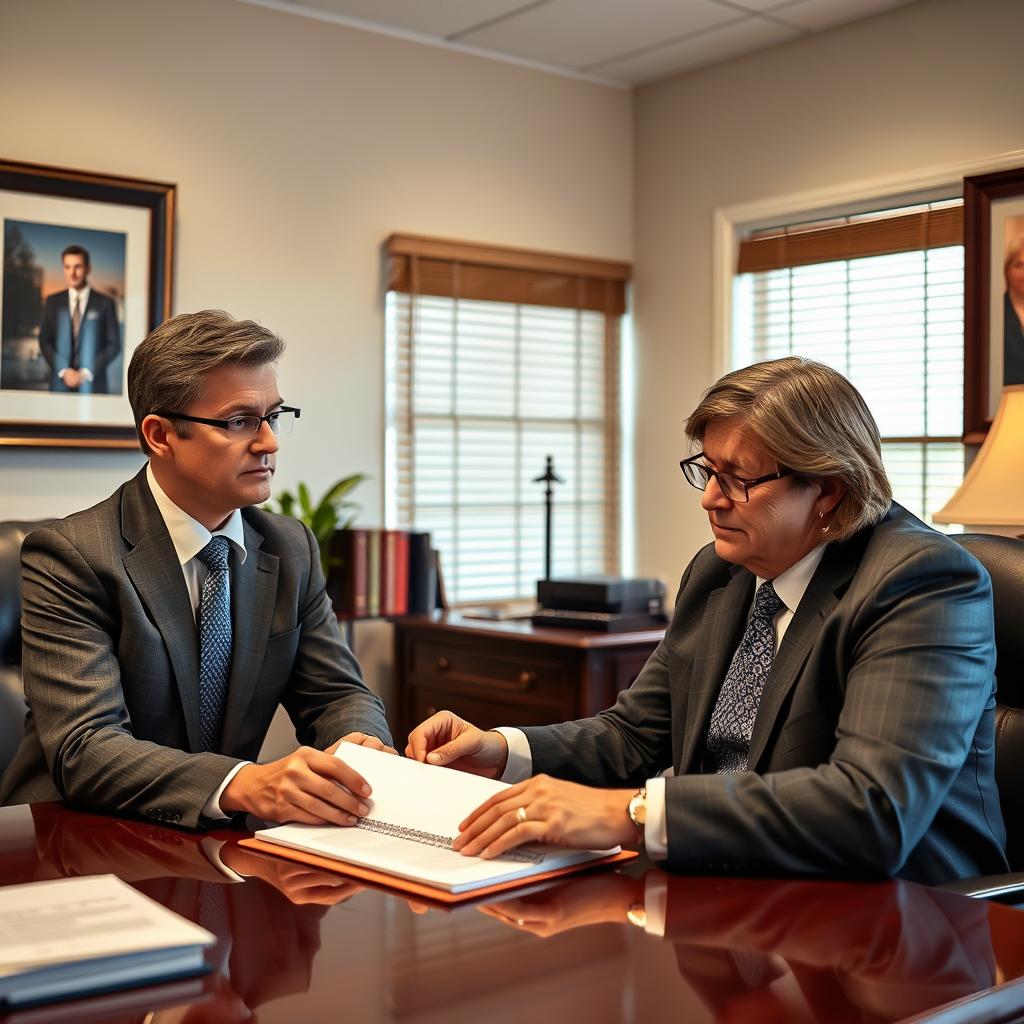
Beach Military Divorce Lawyer James City County
You need a Beach Military Divorce Lawyer James City County because Virginia military divorces involve federal and state laws. Law Offices Of SRIS, P.C. —Advocacy Without Borders. SRIS, P.C. handles the Servicemembers Civil Relief Act, division of military pensions, and child custody across state lines. Our attorneys know the James City County court procedures for service members. (Confirmed by SRIS, P.C.)
Statutory Definition of Military Divorce in Virginia
Military divorce in Virginia is governed by state law under Title 20 of the Virginia Code, with critical federal protections like the Servicemembers Civil Relief Act (SCRA) applying. The legal process for a Beach Military Divorce Lawyer James City County handles is defined by Virginia’s divorce statutes, which are modified by a service member’s active duty status. Virginia law requires at least one spouse to be a resident for six months before filing. For military personnel, Virginia residency can be established through legal domicile or permanent station assignment. The grounds for divorce remain the same, but federal law provides specific defenses against default judgments. The SCRA allows active-duty members to delay civil proceedings, including divorce, during military service and for 60 days after. This federal statute is a primary concern for any military divorce lawyer in James City County. Understanding the intersection of Va. Code § 20-91 and the SCRA is essential for protecting a service member’s legal position.
Va. Code § 20-91 — No-Fault Divorce — Final Decree of Divorce. This statute outlines the grounds for divorce in Virginia, including separation-based no-fault grounds. For a military divorce, proving the six-month Virginia residency requirement hinges on domicile intent or military orders. The one-year separation period is standard, but military deployment can complicate establishing the separation date. A final decree divides assets, debts, and determines support.
How does the SCRA protect a service member in a James City County divorce?
The SCRA prohibits courts from entering a default judgment against an active-duty service member without an affidavit of non-military service. This federal law allows a service member to request a stay of proceedings for at least 90 days. The court may grant additional stays based on military necessity. A military spouse divorce lawyer James City County uses this to prevent unfair outcomes during deployment. The service member’s ability to participate in the case is legally protected.
What defines residency for a service member filing in James City County?
Residency is defined by domicile intent or being stationed in Virginia pursuant to military orders. A service member can claim Virginia as their home of record or demonstrate intent to return. Simply being stationed at Fort Eustis or Langley AFB can establish the six-month residency requirement. The court examines voter registration, tax filings, and driver’s license. A service member divorce lawyer James City County gathers this evidence to establish jurisdictional standing.
How are military pensions divided under Virginia law?
Military pensions are divided according to the Uniformed Services Former Spouses’ Protection Act (USFSPA) and Virginia equitable distribution law. Virginia is a “USFSPA state” that treats military retired pay as marital property. The court uses a “coverture fraction” to determine the marital share of the pension. The non-military spouse’s share is typically paid directly by the Defense Finance and Accounting Service. An attorney must draft a qualified domestic relations order to enforce the division. Learn more about Virginia family law services.
The Insider Procedural Edge in James City County Courts
Your case will be heard in the James City County Circuit Court located at 5201 Monticello Ave, Williamsburg, VA 23188. This court handles all contested divorce filings for James City County residents. The clerk’s Location requires specific military status disclosures on the initial complaint. Filing fees are set by the state and are subject to change. Procedural specifics for James City County are reviewed during a Consultation by appointment at our Williamsburg Location. The court’s docket moves deliberately, and scheduling must account for a service member’s deployment cycle. Local rules may require mediation before a final hearing. Judges in this circuit are familiar with the challenges of military life affecting custody and visitation. Having a lawyer who knows the preferences of this specific bench is a tactical advantage. Timely filing and proper service under the SCRA are non-negotiable procedural hurdles.
What is the typical timeline for a military divorce in this court?
A contested military divorce in James City County Circuit Court typically takes nine to fifteen months. The timeline starts with filing the complaint and serving the other spouse. The SCRA stay can add 90 days or more if the service member is deployed. Discovery, negotiation, and potential custody evaluations extend the process. A final hearing is scheduled only after all issues are resolved or tried.
What are the court costs and filing fees?
The current filing fee for a divorce complaint in James City County Circuit Court is approximately $89. Additional costs include fees for serving the spouse, subpoenas, and court-ordered assessments. If a guardian ad litem is appointed for children, those costs are split between parties. There may be fees for parenting classes required by the court. Military members may qualify for fee waivers based on income.
How does deployment affect the court schedule?
Deployment requires immediate notification to the court and the other party’s attorney. The service member can file a motion for stay under the SCRA. The court will generally grant reasonable continuances to accommodate deployment schedules. Testimony may be arranged via telephone or video conference for deployed members. The court aims to avoid prejudicing a service member’s case due to military duty. Learn more about criminal defense representation.
Penalties & Defense Strategies in Military Divorce
The most common penalty range in a contested divorce involves financial orders for support and asset division, not criminal sanctions. The consequences are civil and financial, directly impacting a service member’s career and benefits. A loss in court can mean an unfair division of military pension, excessive spousal support, or unfavorable custody terms. The table below outlines potential outcomes a Beach Military Divorce Lawyer James City County fights to avoid.
| Offense / Issue | Penalty / Outcome | Notes |
|---|---|---|
| Default Judgment | Loss of all rights to contest asset division, support, and custody. | SCRA provides protection if properly invoked. |
| Unfair Pension Division | Non-member spouse awarded up to 50% of the marital share of military retired pay. | Governed by USFSPA and state law; requires precise calculation. |
| Excessive Spousal Support | Court-ordered payments based on income, length of marriage, and military pay grades. | BAH and BAS can be included in income calculations. |
| Unfavorable Custody Order | Primary physical custody awarded to other parent, limiting time with child. | Military deployment schedule is a key factor considered by the court. |
| Division of Military Benefits | Loss of access to commissary, exchange, or TRICARE for ex-spouse if marriage lasted under 20/20/20. | 20/20/20 rule is critical for benefit retention. |
[Insider Insight] Local prosecutors in family law matters—the Commonwealth’s Attorneys—do not handle divorce. However, the judge’s temperament in James City County Circuit Court is pragmatic. They respect military service but expect the service member to be proactive in their defense. Judges here scrutinize the validity of SCRA stay requests. They expect clear evidence of deployment orders. They also favor parenting plans that account for potential PCS moves. A military spouse divorce lawyer James City County knows to present a stable, detailed plan for the children.
How can a service member protect their VA disability benefits?
VA disability benefits are federally protected from division as marital property in a divorce. These benefits cannot be garnished for spousal or child support in Virginia. However, the court can consider the veteran’s total financial picture when setting support amounts. The disability pay is excluded from the income calculation for support guidelines. A lawyer must argue this exclusion explicitly to the judge.
What is the 20/20/20 rule for military benefits?
The 20/20/20 rule allows a former spouse to retain full military benefits if the marriage lasted 20 years, the service member served 20 years, and there was 20 years of overlap. A 20/20/15 marriage provides one year of transitional benefits. For marriages under 20 years, the former spouse loses all ID card privileges. This rule is a critical part of settlement negotiations in a military divorce. Learn more about personal injury claims.
Can a civilian spouse get a share of the Thrift Savings Plan?
Yes, the Thrift Savings Plan (TSP) is a marital asset subject to equitable distribution. The marital portion of the TSP accumulated during the marriage is divided. The division requires a Court Order Acceptable for Processing (COAP) issued by the court. The TSP will then transfer the awarded funds to the former spouse’s retirement account. This process is separate from pension division.
Why Hire SRIS, P.C. for Your James City County Military Divorce
Our lead attorney for military family law is a veteran who understands the unique pressures of service on family life. This background provides an immediate strategic advantage in negotiating and litigating your case. SRIS, P.C. has secured favorable outcomes for service members stationed in and around James City County. We know how to present your military obligations as a factor for stability, not a liability. Our firm’s structure allows for continuous representation even if you receive PCS orders. We coordinate with legal assistance Locations on base but provide aggressive, private counsel. Your career and family are too important for generic legal advice. You need an advocate who speaks the language of both the military and the Virginia court system.
Attorney Profile: Our military divorce team includes attorneys with direct experience in military culture and Virginia family law. They have handled cases involving division of complex military pensions, SCRA stays, and custody disputes impacted by deployment. They work to protect your security clearance and career advancement potential. Their goal is a resolution that respects your service and protects your future.
Localized FAQs for Military Divorce in James City County
Where do I file for divorce if I am stationed at Fort Eustis?
You can file in James City County Circuit Court if you or your spouse meet the six-month Virginia residency requirement. Your military orders assigning you to Fort Eustis help establish this residency. The court is at 5201 Monticello Ave in Williamsburg. Jurisdiction is based on legal domicile or physical presence. Learn more about our experienced legal team.
How does my deployment affect child custody in Virginia?
Virginia courts cannot penalize you in custody decisions solely due to deployment. You must provide a detailed family care plan. The court will consider the child’s relationship with the other parent and potential caregivers. Deployment is one factor among many in determining the child’s best interests.
Is my military retirement safe from my spouse in a divorce?
Military retirement pay earned during the marriage is marital property subject to division. Virginia law allows for an equitable share, often up to 50%, to be awarded to the spouse. The division is calculated using a coverture formula. Disability pay, however, is protected from division.
Can I get a divorce if my spouse is deployed overseas?
Yes, you can initiate a divorce proceeding. However, serving legal papers on a deployed spouse requires compliance with the SCRA. The court may not finalize the divorce until the service member has an opportunity to respond. Special arrangements for service and hearings must be made.
What happens to my VA home loan entitlement after divorce?
Your VA home loan entitlement remains yours individually. If the loan was used for a marital home, the divorce decree must address who assumes the loan or sells the property. The veteran remains liable to the VA if the assuming spouse defaults. The entitlement can be restored after a sale.
Proximity, CTA & Disclaimer
Our Williamsburg Location serves clients in James City County. We are positioned to provide effective representation in the local circuit court. Consultation by appointment. Call 757-941-4298. 24/7. Our legal team is ready to address the specific challenges of your military divorce. We understand the local legal area and the federal laws that protect you.
SRIS, P.C.
Williamsburg, Virginia
Phone: 757-941-4298
Past results do not predict future outcomes.