
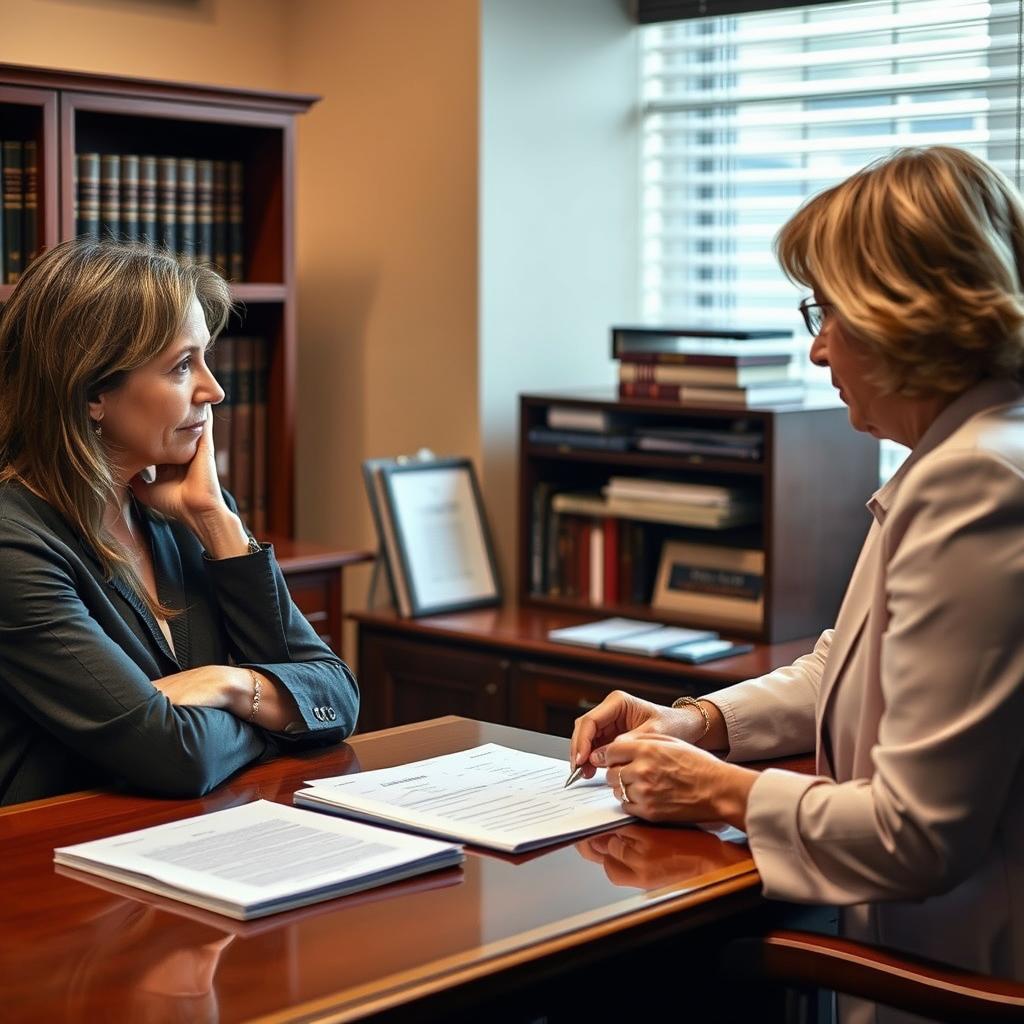
Child Guardianship Lawyer Virginia, VA
In Virginia, child guardianship matters involve the court appointment of a responsible adult to care for a minor child when the child’s parents are unable to do so. These proceedings are governed by Title 64.2 of the Virginia Code and are heard primarily in the Juvenile and Domestic Relations (J&DR) District Court, with the Circuit Court also having jurisdiction in some contested or ancillary matters. A guardian may be appointed for the person of the child, the child’s estate, or both. Whether you need to establish a guardianship for a minor, intervene in a pending petition, or challenge a proposed guardianship, the legal process demands careful adherence to procedural rules and the statutory best‑interest factors. Law Offices Of SRIS, P.C., founded in 1997, represents clients in child guardianship cases throughout Virginia, from Fairfax County to the Shenandoah Valley to Hampton Roads. Mr. Sris, Owner and Founder of the firm, and the firm’s Of Counsel attorneys bring extensive combined legal experience to these matters. Results may vary. For a consultation, call (888) 437‑7747. Law Offices Of SRIS, P.C. – Advocacy Without Borders.
What Child Guardianship Means in Virginia
Under Va. Code § 64.2‑2000 et seq., a Virginia court may appoint a guardian for a minor child when the child’s parents are unable to provide adequate care due to death, incapacity, incarceration, or other circumstances. The court’s authority to appoint a guardian for a child rests on the principle of the child’s best interests. Guardianship of the person gives the guardian legal custody and the duty to provide for the child’s day‑to‑day care, education, and medical needs. Guardianship of the estate gives the guardian authority to manage the child’s property and financial affairs. The court may require a bond for an estate guardianship, the amount of which is determined by the court based on the value of the estate.
The guardianship process begins with the filing of a petition in the J&DR court, supported by affidavits and often a report from the local department of social services or a guardian ad litem. Notice must be given to the child’s parents and other interested parties. At the hearing, the judge considers a range of factors, including the fitness of the proposed guardian, the child’s relationship with the guardian, the ability of the parents to care for the child, the child’s preference if of sufficient age and maturity, and any history of abuse or neglect. Contested guardianships may involve additional evidence and can extend the timeline. Virginia law also recognizes temporary guardianship, standby guardianship, and kinship guardianship, each with its own procedural requirements. A parent’s consent can streamline the process, but even uncontested cases require judicial approval and a finding that the guardianship serves the child’s best interests.
How Mr. Sris and the Firm’s Of Counsel Attorneys Handle Child Guardianship Cases
When a family contacts Law Offices Of SRIS, P.C., the process starts with an in‑depth consultation to understand the specific circumstances—whether a parent is seeking to appoint a guardian, a relative is pursuing kinship guardianship, or a dispute exists over who should serve as guardian. The firm’s attorneys review the available documentation, identify the most appropriate legal avenue, and explain what to expect at each stage. They prepare the petition and supporting pleadings, ensuring all statutory requirements are met, and they coordinate with any required investigators or evaluators.
At the hearing, Mr. Sris and the firm’s Of Counsel attorneys present evidence, examine witnesses, and advocate for the arrangement that best protects the child’s welfare. Mr. Sris’s background as a former prosecutor provides insight into courtroom dynamics and witness examination, while the Of Counsel attorneys contribute broad experience in Virginia family law matters. The firm works to resolve guardianship disputes through negotiation when possible, but stands ready to litigate contested matters through trial. Throughout the case, the attorneys stay focused on the child’s well‑being and keep the client informed of developments. Because every guardianship matter turns on its own facts, the firm tailors its approach to the unique needs of each family.
About Mr. Sris and the Firm’s Of Counsel Attorneys
Mr. Sris, Owner and Founder of Law Offices Of SRIS, P.C., has practiced law since 1997. He is a former prosecutor and is admitted to practice in Virginia, Maryland, the District of Columbia, New Jersey, and New York. Mr. Sris testified before the Virginia House Courts of Justice Committee in support of 2019 HB 635 (chief patron Del. David Bulova). His experience in the courtroom and his knowledge of Virginia family law anchor the firm’s representation in child guardianship cases.
The firm’s Of Counsel attorneys bring additional depth in family law and litigation, enabling the firm to handle complex guardianship proceedings efficiently. Together, Mr. Sris and the firm’s Of Counsel attorneys draw on decades of collective legal experience to guide clients through Virginia’s guardianship process.
Frequently Asked Questions
What is child guardianship in Virginia?
Child guardianship is a court‑ordered arrangement in which a responsible adult is given legal authority and duty to care for a minor child when the child’s parents cannot do so. The guardian assumes the rights and responsibilities of a parent regarding the child’s custody, care, and property. Guardianship may be established by petition in the Juvenile and Domestic Relations District Court or, in certain circumstances, the Circuit Court. The process is governed by Va. Code § 64.2‑2000 et seq. And requires a judicial determination that the guardianship is in the child’s best interests.
What are the types of child guardianship recognized in Virginia?
Virginia law recognizes several forms of child guardianship, including guardian of the person, guardian of the estate, standby guardianship, temporary guardianship, and kinship guardianship. A guardian of the person has custody and makes daily decisions for the child. A guardian of the estate manages the child’s property and finances. Standby guardianship allows a parent to designate a future guardian in the event of the parent’s incapacity or death. Temporary guardianship provides short‑term authority while a permanent arrangement is being pursued. The appropriate type depends on the specific circumstances and the court’s assessment of the child’s needs.
How does a Virginia court decide child guardianship?
The court applies the “best interests of the child” standard, evaluating factors such as the child’s physical and emotional needs, the fitness of the proposed guardian, the child’s relationship with the guardian, the parents’ ability to care for the child, the child’s preference if of sufficient age and maturity, and any history of abuse or neglect. The judge may order an investigation or a home study and may appoint a guardian ad litem to represent the child’s interests. The court’s paramount concern is the safety and well‑being of the child.
What is the process for obtaining guardianship of a child in Virginia?
The process begins with the filing of a petition for guardianship in the Juvenile and Domestic Relations District Court, accompanied by supporting affidavits and, often, a consent from the parents. Notice must be served on the parents and other interested parties. The court may order an investigation by the local department of social services or appoint a guardian ad litem. A hearing is then held where the judge hears evidence and determines whether the guardianship is in the child’s best interests. If the petition is granted, the court issues an order of guardianship specifying the guardian’s powers and duties. The timeline varies by the court’s calendar and the complexity of the case.
Do I need a lawyer for a child guardianship case in Virginia?
You are not legally required to have a lawyer, but legal representation is strongly recommended given the procedural rules, evidentiary requirements, and the importance of the trusted‑interests determination. An experienced attorney can prepare the necessary pleadings, present compelling evidence at the hearing, cross‑examine witnesses, and advocate effectively for the arrangement that serves the child’s welfare. Self‑represented parties may face challenges in navigating the court system and responding to contested issues.
How do I find a child guardianship lawyer in Virginia?
Look for a lawyer who practices Virginia family law and has specific experience with child guardianship proceedings. An attorney familiar with the local courts and the nuances of Title 64.2 can provide practical guidance. To discuss your situation with an experienced Virginia guardianship attorney, contact Law Offices Of SRIS, P.C. at (888) 437‑7747 to request a consultation.
Related practice areas:
Child Custody Lawyer Virginia, VA India is not a signatory to the 1980 Hague Convention on Civil Aspects of International Child Abduction. |
Child Support Lawyer Virginia, VA |
Guardianship Lawyer Virginia, VA |
Family Law Lawyer Virginia, VA
For additional information on Virginia guardianship statutes, visit the Virginia Code Title 64.2 and the Virginia Judicial System website.
Attorney advertising. Prior results do not guarantee a similar outcome.
Results may vary.
Case results depend on a variety of factors unique to each case.