
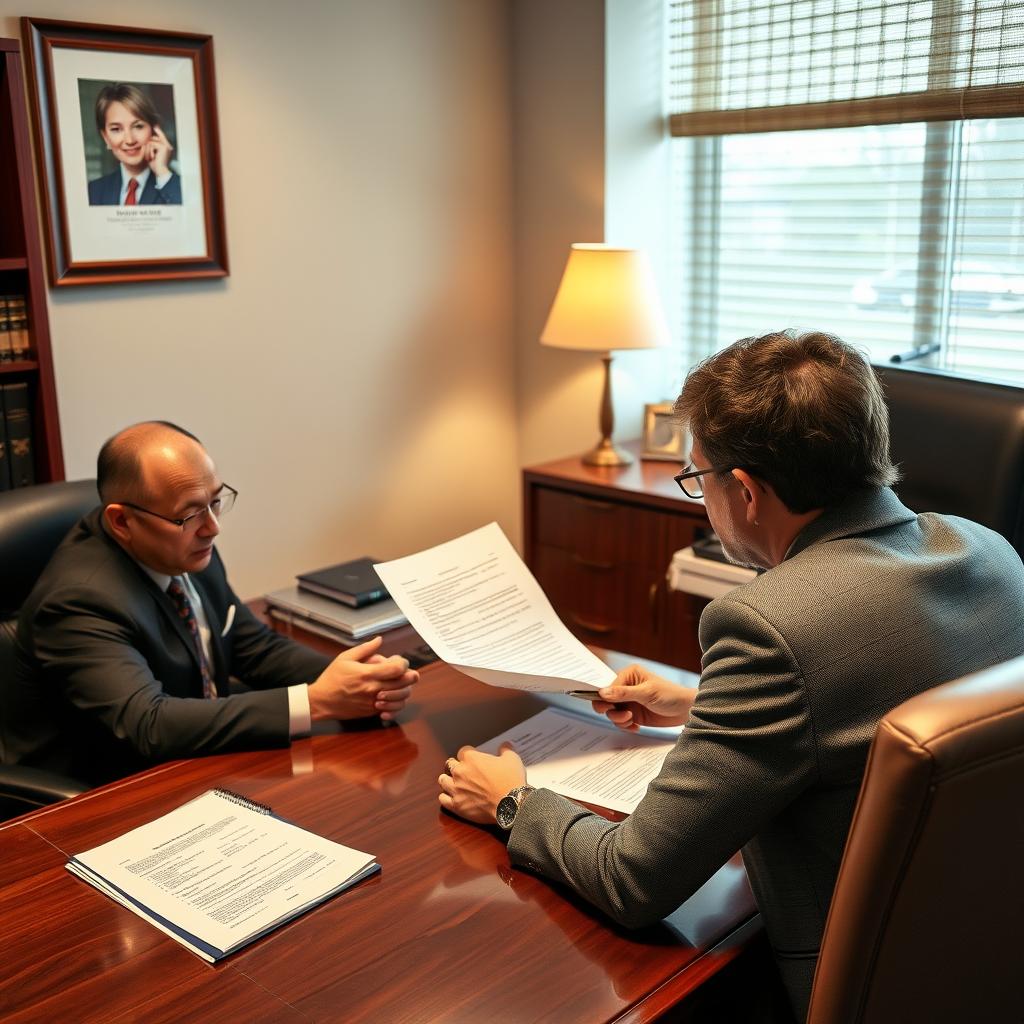
Cruelty Divorce Lawyer Arlington County
You need a Cruelty Divorce Lawyer Arlington County to prove cruel treatment ended your marriage. Virginia law requires proof of physical violence or reasonable fear of bodily harm. The Arlington County Circuit Court handles these cases. Law Offices Of SRIS, P.C. —Advocacy Without Borders. Our Arlington County Location provides direct representation for these sensitive matters. (Confirmed by SRIS, P.C.)
1. The Virginia Statute Defining Cruelty
Virginia Code § 20-91(A)(6) classifies cruelty as a fault-based ground for divorce with a mandatory six-month separation period. This statute is the legal foundation for ending a marriage due to abusive conduct in Arlington County. A Cruelty Divorce Lawyer Arlington County uses this code to frame your case. The law does not require intent, only that the acts occurred and made cohabitation unsafe. Proving cruelty can affect spousal support and property division outcomes. The statutory waiting period begins from the last act of cruelty or the date of separation. Arlington County judges apply this code strictly to the facts presented.
What acts qualify as “cruel treatment” under Virginia law?
Acts qualify as cruel treatment if they cause physical injury or create reasonable fear of injury. Isolated incidents may suffice if severe. A pattern of verbal abuse with threats can meet the standard. The court examines the effect on the victim’s sense of safety. Evidence like police reports or medical records is critical. An Arlington County lawyer must connect the acts to the statutory definition.
How does cruelty differ from “no-fault” divorce grounds?
Cruelty is a fault-based ground requiring proof of misconduct, unlike no-fault separation. Fault can influence financial awards and child custody determinations. No-fault divorce requires a one-year separation without proving wrongdoing. Choosing a fault ground like cruelty is a strategic legal decision. A cruelty divorce lawyer in Arlington County advises on the best path for your goals.
What is the mandatory separation period for a cruelty divorce?
The mandatory separation period for a cruelty divorce in Virginia is six months. This period runs from the last act of cruelty or the date of final separation. You must live in separate residences with no intent to reconcile. The clock stops if you resume marital cohabitation. Documentation of the separation date is essential for your Arlington County case. Learn more about Virginia family law services.
2. The Insider Procedural Edge in Arlington County
Your case is filed at the Arlington County Circuit Court located at 1425 N. Courthouse Road, Arlington, VA 22201. This court has specific local rules and filing procedures for divorce actions. Filing fees and required forms are set by the Virginia Supreme Court. The court’s domestic relations judges expect precise legal pleading. Procedural missteps can delay your case for months. A local attorney knows the clerks’ preferences for scheduling hearings.
What is the exact filing fee for a divorce complaint in Arlington County?
The filing fee for a divorce complaint in Arlington County Circuit Court is $89. This fee is paid to the Clerk of Court when the Complaint is filed. Additional fees apply for serving the other party with process. There may be costs for filing motions or other pleadings later. Fee waivers are available for qualifying individuals based on income.
What is the typical timeline from filing to final decree?
The timeline from filing to final decree can range from seven months to over a year. The six-month statutory waiting period is a minimum floor. Court docket congestion and case complexity add time. An uncontested case with an agreement moves faster. A contested cruelty divorce requires discovery and evidentiary hearings. Your Arlington County lawyer can provide a realistic estimate based on the court’s current calendar. Learn more about criminal defense representation.
Which specific judges hear domestic relations cases in Arlington?
Domestic relations cases in Arlington County are heard by Circuit Court judges on a rotating assignment. The Chief Judge assigns family law matters within the court. These judges have extensive experience with cruelty allegations and evidence standards. Knowing judicial tendencies on evidentiary rulings is a local advantage. Your attorney’s familiarity with the bench is a key asset.
3. Penalties & Defense Strategies in Divorce Proceedings
The most common penalty in a cruelty divorce is the legal dissolution of the marriage and its financial consequences. While not a criminal penalty, fault affects support and asset division. The court considers fault when determining spousal support awards. A finding of cruelty can justify a larger support payment to the victim. It can also influence the equitable distribution of marital property. Child custody determinations may be impacted by evidence of abusive behavior.
| Offense / Finding | Penalty / Consequence | Notes |
|---|---|---|
| Proven Cruelty | Fault-based divorce decree; impacts spousal support. | Court can award higher support to injured spouse. |
| Defense Against Allegations | Denial can lead to contested hearings; risk of counter-claims. | Requires evidence to rebut plaintiff’s claims. |
| Failure to Prove Cruelty | Case may be dismissed or converted to no-fault. | Plaintiff may need to wait for one-year separation. |
[Insider Insight] Arlington County prosecutors in related protective order cases often seek strong evidence of physical harm or documented threats. In the civil divorce context, judges similarly expect clear, convincing proof. Hearsay or vague allegations are frequently challenged. The local bench responds to police reports, medical records, and witness testimony. Photographic evidence of injuries is highly persuasive. Anticipate rigorous cross-examination on the timing and severity of alleged acts. Learn more about personal injury claims.
How does a cruelty finding affect spousal support calculations?
A cruelty finding can significantly increase spousal support awards to the victimized spouse. Virginia Code § 20-107.1 explicitly lists fault as a factor. The court considers the nature and economic impact of the misconduct. This can justify both a higher amount and a longer duration of payments. An Arlington County judge has discretion in applying this factor. Your lawyer must present evidence linking the cruelty to financial need.
Can cruelty allegations impact child custody decisions?
Yes, cruelty allegations can directly impact child custody and visitation decisions. The child’s best interest is the paramount standard. Evidence of abuse toward a spouse or child is highly relevant. The court may order supervised visitation or limit custody rights. Arlington County judges prioritize child safety in these determinations. A cruelty divorce lawyer must address custody implications from the start.
What are common defenses against cruelty allegations?
Common defenses include denial, provocation, exaggeration, and lack of evidence. The accused may argue the acts did not create reasonable fear of harm. They may claim the allegations are retaliatory for filing first. Demonstrating reconciliation after alleged incidents can undermine the claim. A skilled defense requires a detailed factual rebuttal. An attorney will challenge the plaintiff’s evidence and credibility. Learn more about our experienced legal team.
4. Why Hire SRIS, P.C. for Your Arlington County Case
SRIS, P.C. assigns attorneys with direct litigation experience in the Arlington County Circuit Court. We know the local procedures and judicial expectations for cruelty divorce cases. Our team approaches each case with a focus on evidence and strategy. We prepare for court as if trial is certain, which often leads to stronger settlements. Our goal is to secure your divorce decree on terms that protect your future.
What specific experience does your team have with Arlington County courts?
Our team has filed and argued cruelty divorce cases in the Arlington County Circuit Court. We are familiar with the local rules and clerk’s Location requirements. We have appeared before the domestic relations judges on these specific matters. This experience informs our advice on case strategy and timeline. We know what evidence the local bench finds most persuasive.
How do you investigate and prove allegations of cruel treatment?
We investigate by collecting police reports, medical records, photographs, and witness statements. We document the timeline of incidents and their impact on our client. We use legal discovery tools like interrogatories and depositions when needed. Our approach is methodical and designed to meet the clear and convincing evidence standard. We build a narrative the court can understand and believe.
5. Localized FAQs for Arlington County Cruelty Divorce
What evidence is needed to prove cruelty in Arlington County?
Can I get a protective order and file for cruelty divorce simultaneously?
How long does a contested cruelty divorce take in Arlington?
Will I have to testify about the abuse in open court?
What if the cruel acts happened years before separation?
6. Proximity, CTA & Final Disclaimer
Our Arlington County Location is strategically positioned to serve clients throughout the region. We are accessible for meetings to discuss the specifics of your cruelty divorce case. Consultation by appointment. Call 703-589-9250. 24/7.
Law Offices Of SRIS, P.C.
—Advocacy Without Borders.
Phone: 703-589-9250
Procedural specifics for Arlington County are reviewed during a Consultation by appointment at our Arlington County Location. The legal process requires careful handling of Virginia statutes and local rules.
Past results do not predict future outcomes.