
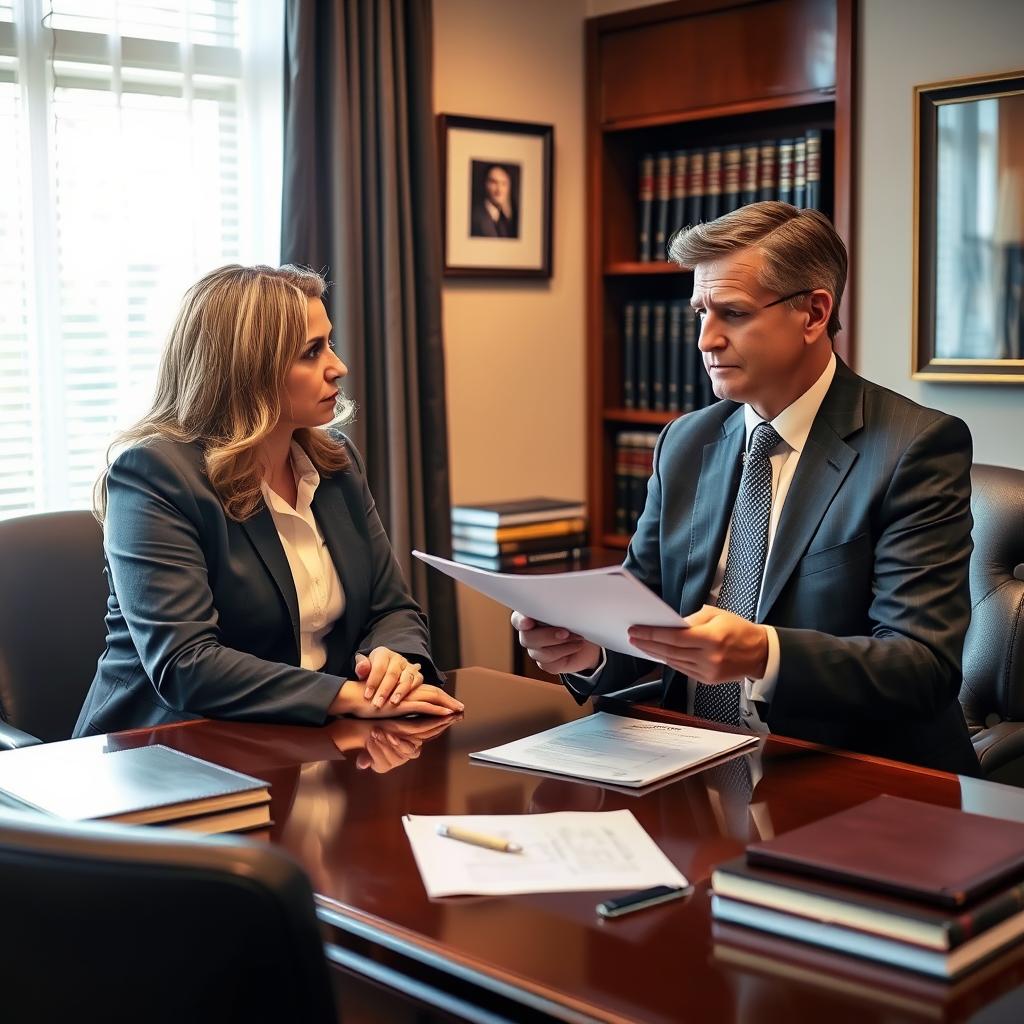
Cruelty Divorce Lawyer Isle of Wight County, VA
When a marriage includes conduct that causes physical harm or a well-founded fear of bodily injury, Virginia law allows a spouse to seek a divorce on the ground of cruelty. In Isle of Wight County, cruelty divorces are heard by the Circuit Court, and having an attorney who understands both the statutory requirements and the local court practices can help you present your case effectively. Law Offices Of SRIS, P.C. represents clients in fault-based divorce proceedings, including cruelty, in Isle of Wight County and throughout Virginia. Mr. Sris, Owner and Founder, and his Of Counsel bring over 120 years of combined legal experience and 4,739+ documented firm-wide results to family law matters. Results may vary. To discuss your situation, call (888) 437‑7747 for a consultation. Law Offices Of SRIS, P.C. – Advocacy Without Borders.
What Cruelty Divorce Means in Isle of Wight County
In Virginia, cruelty is one of the fault-based grounds for divorce listed in Va. Code §20‑91. To obtain a divorce on this ground, the spouse filing for divorce must show that the other spouse’s conduct either caused bodily harm or created a reasonable apprehension of bodily hurt. The cruelty does not need to be physical violence in every instance; a pattern of harassment, threats, or emotional abuse that puts a reasonable person in fear of physical harm can also satisfy the legal standard. Because proving cruelty often depends on witness testimony, medical records, and other evidence, careful preparation is essential.
Isle of Wight County Circuit Court, located at 17122 Monument Circle, Suite A, Isle of Wight, VA 23397, handles all divorce, equitable distribution, and spousal support matters for the county. Before filing, at least one spouse must have been a resident of Virginia for a minimum of six months, as required by Va. Code §20‑97. Unlike no‑fault divorce, a cruelty‑based case does not require a period of separation. The court may grant the divorce after evaluating the credibility of the evidence and any corroborating testimony. Mr. Sris and his Of Counsel appear in this court and have experience presenting cruelty claims in a way that meets Virginia’s evidentiary standards.
How Mr. Sris and His Of Counsel Handle Cruelty Divorce Cases
When you work with Law Offices Of SRIS, P.C. on a cruelty divorce, the process begins with a thorough review of your circumstances. Mr. Sris and his Of Counsel gather relevant evidence—such as medical records, police reports, text messages, and witness statements—that can demonstrate the conduct that gave you a reasonable fear of harm. Because the court must be persuaded that the cruelty occurred, the team focuses on building a clear record and presenting testimony in a straightforward manner. The goal is to show, by a preponderance of the evidence, that the other spouse’s actions meet Virginia’s legal definition of cruelty.
If the divorce is granted on the ground of cruelty, the court also addresses related issues under Virginia’s equitable distribution law (Va. Code §20‑107.3). Property acquired during the marriage is divided based on factors that include the circumstances that contributed to the breakdown of the marriage. Cruelty can influence the court’s decision on spousal support and, in some instances, the division of assets. Mr. Sris and his Of Counsel assess how the cruelty ground may affect the financial outcome and work toward a resolution that accounts for your situation. Throughout the case, they can also negotiate settlement terms when both parties are willing to reach an agreement, while remaining prepared to present your case at trial if necessary.
About Mr. Sris and His Of Counsel Team
Mr. Sris is Owner and Founder of Law Offices Of SRIS, P.C., and has been practicing since 1997. He is a former prosecutor and is admitted to practice in Virginia, Maryland, the District of Columbia, New Jersey, and New York. His background in criminal trial work gives him insight into the way evidence is evaluated in contested hearings, including the kind of credibility assessments that often arise in cruelty divorce cases. Mr. Sris testified before the Virginia House Courts of Justice Committee in support of 2019 HB 635 (chief patron Del. David Bulova), a bill that revised certain provisions of Virginia’s equitable distribution statute.
Mr. Sris is supported by a team of Of Counsel attorneys, all of whom practice in the firm’s Virginia and multi‑state family law matters. Together, Mr. Sris and his Of Counsel bring over 120 years of combined legal experience and 4,739+ documented firm-wide results to divorce and family law representation. Results may vary. The team handles matters in Isle of Wight County and throughout Virginia, focusing on careful case preparation and clear communication with clients.
Frequently Asked Questions
What constitutes cruelty under Virginia divorce law?
In Virginia, cruelty is conduct that causes bodily harm or creates a reasonable apprehension of bodily hurt. The legal standard can be met by physical violence, threats of violence, or a sustained pattern of intimidation that puts a reasonable person in fear for their safety. The court examines the specific facts of each case, including the severity and frequency of the conduct. To obtain a cruelty divorce, the spouse filing must present evidence that the other spouse’s actions justify ending the marriage on this ground.
How do I prove cruelty in a Virginia divorce?
Proving cruelty usually requires testimony from the spouse who experienced the conduct, along with corroborating evidence such as medical records, police reports, photographs of injuries, or witness statements from people who observed the behavior. Emails, text messages, and social‑media posts can also help establish a pattern of harassment or threats. Because cruelty claims often turn on credibility, the quality and consistency of the evidence are important. An attorney can help you identify the strongest proof and present it in a way that meets the court’s requirements.
Do I need a lawyer for a cruelty divorce in Isle of Wight County?
While you are not required to have a lawyer, cruelty divorces typically involve contested issues and higher evidentiary demands than no‑fault divorces, making legal representation helpful. A lawyer can help you gather evidence, prepare witnesses, and present your case to the Isle of Wight County Circuit Court. Without representation, you may find it difficult to meet the burden of proof, especially if your spouse disputes the allegations. Contact Law Offices Of SRIS, P.C. at (888) 437‑7747 to discuss how a lawyer can assist in your situation.
How long does a cruelty divorce take in Isle of Wight County?
The timeline for a cruelty divorce depends on whether the case is contested, the court’s docket, and how quickly evidence can be gathered and presented. Unlike a no‑fault divorce, a cruelty divorce does not require a separation period, so the case can proceed more quickly once filed. However, if the other spouse disputes the cruelty claim, the matter may require a trial and can extend over several months. The court schedules hearings based on its calendar, and the overall duration varies with the complexity of the case.
What is the difference between a cruelty divorce and a no‑fault divorce?
A cruelty divorce is fault‑based and does not require a separation period, while a no‑fault divorce in Virginia requires either a six‑month or one‑year separation. In a cruelty case, the spouse filing must prove the other spouse’s harmful conduct by a preponderance of the evidence. A no‑fault divorce does not require proof of misconduct, only that the parties have lived apart for the required time. Choosing between the two grounds affects how quickly the divorce can be granted and may influence decisions on spousal support and property division.
Will a cruelty ground affect property division or spousal support?
Yes, a finding of cruelty can be considered by the court when dividing marital property and deciding spousal support. Virginia’s equitable distribution statute, Va. Code §20‑107.3, lists the circumstances that contributed to the breakdown of the marriage as one of the factors the court may weigh. If the court finds that cruelty caused the divorce, it may award a larger share of the marital assets to the innocent spouse or influence the amount and duration of support. Each case is decided on its own facts.
For additional information, review the Virginia Code Title 20 (Domestic Relations) and the Virginia Judicial System website.
Attorney advertising. Prior results do not guarantee a similar outcome. Results may vary.
Case results depend on a variety of factors unique to each case.