
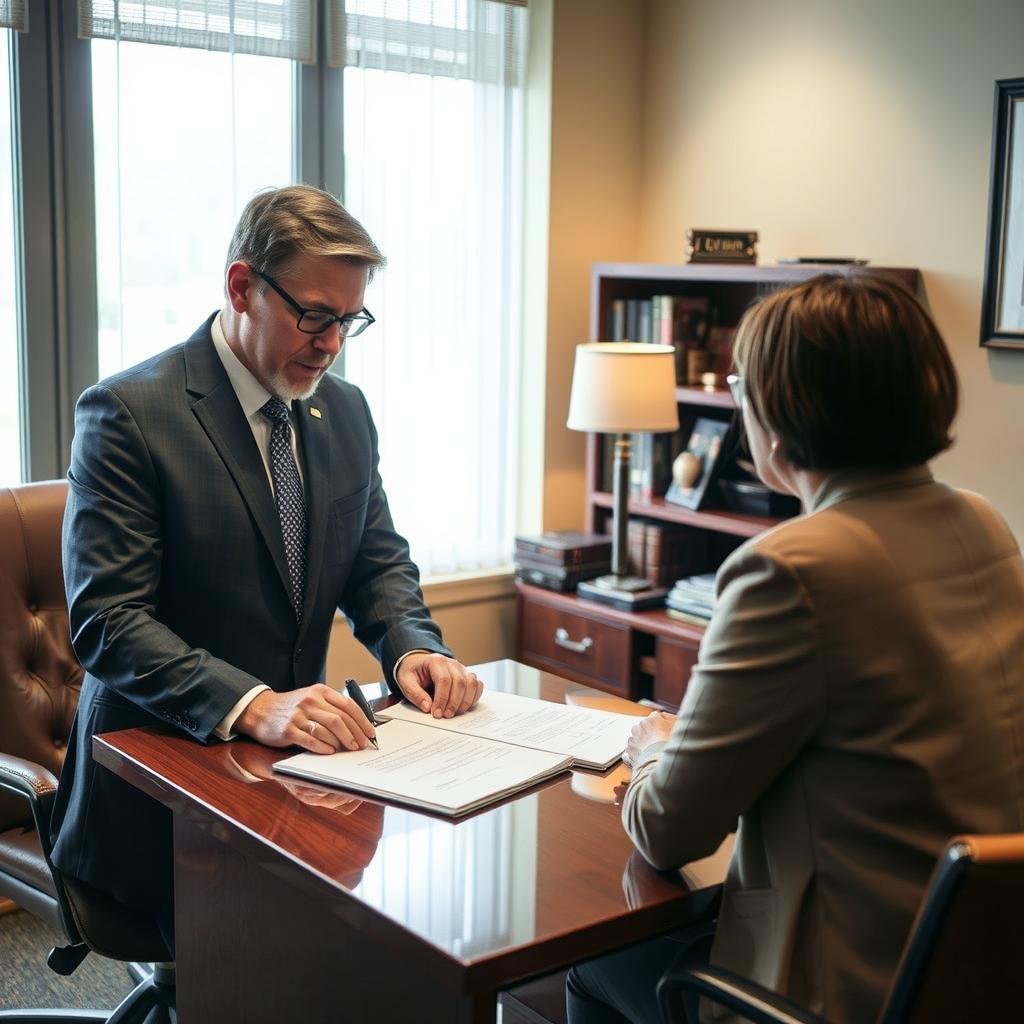
Cruelty Divorce Lawyer Roanoke County, VA
If you are considering ending your marriage on the ground of cruelty in Roanoke County, Virginia, you need counsel who understands both the legal framework and the personal toll of fault-based divorce. Cruelty divorce is one of the fault grounds recognized under Virginia Code § 20-91, and it requires the spouse seeking the divorce to prove that the other spouse engaged in conduct that endangered life, limb, or health, or created a reasonable apprehension of bodily harm. This page outlines what a cruelty divorce involves in Roanoke County, how the process works, and how Mr. Sris and his Of Counsel team at Law Offices Of SRIS, P.C. Approach these cases. The firm’s Shenandoah Location serves clients throughout Roanoke County—including Salem, Vinton, Cave Spring, Hollins, and Catawba—and Mr. Sris and his Of Counsel appear regularly in the Roanoke County Circuit Court, where all divorce, equitable distribution, and spousal support matters are heard. If you have questions about a cruelty divorce or need representation, call (888) 437-7747 to schedule a consultation. Law Offices Of SRIS, P.C. – Advocacy Without Borders.
What Cruelty Divorce Means in Roanoke County
Cruelty as a ground for divorce in Virginia allows a spouse to end the marriage without waiting through the separation periods required for a no-fault divorce. The party filing on cruelty must establish that the other spouse’s conduct either threatened bodily harm or caused reasonable fear of such harm. Roanoke County Circuit Court, located at 305 East Main Street in Salem, exercises exclusive jurisdiction over divorce, equitable distribution, and spousal support. Standalone custody and support matters may also be heard in the Roanoke County Juvenile and Domestic Relations District Court. Virginia law requires that at least one corroborating witness testify at an uncontested divorce hearing, even when the other spouse does not appear—a procedural detail that can be particularly important in fault-based cases where the corroboration must extend to the cruelty allegation.
In Roanoke County, as in other Virginia jurisdictions, the practical impact of a cruelty finding can be significant. While Virginia is an equitable distribution state and property is divided fairly, not necessarily equally, the court may weigh the circumstances that led to the divorce when deciding how to distribute marital assets and whether to award spousal support. A cruelty determination can also affect the timeline: the divorce can proceed without waiting for a six-month or one-year separation, giving the filing spouse a quicker path to finality. Mr. Sris and his Of Counsel are familiar with the expectations of the Roanoke County bench and the local procedural practices that influence how cruelty claims are presented and defended.
How Mr. Sris and His Of Counsel Handle Cruelty Divorce Cases
Mr. Sris and his Of Counsel approach cruelty divorce matters by first evaluating the specific facts that may support a cruelty claim and discussing with the client whether pursuing a fault ground or instead negotiating a no-fault resolution is in the client’s best interests. When a cruelty filing is the right path, the team works to assemble the evidence needed to meet the statutory standard—which may include medical records, photographs, communications, and testimony from individuals who witnessed the conduct. Preparation is meticulous because the stakes are high: a cruelty finding can influence everything from the final property award to spousal support obligations.
In many family law matters, Mr. Sris and his Of Counsel aim to resolve disputes through negotiation or mediation where possible, but they are equally prepared to litigate if the case requires it. Mr. Sris’s background as a former prosecutor gives him firsthand courtroom experience, and his Of Counsel colleagues contribute years of family law litigation practice across Virginia. The team is familiar with the Roanoke County Circuit Court’s procedures and the local bar, which helps them navigate scheduling, motions practice, and trial presentation efficiently. Regardless of whether the case resolves by settlement or trial, the focus remains on achieving a durable outcome that protects the client’s rights and financial interests.
About Mr. Sris and His Of Counsel Team
Mr. Sris, Owner and Founder of Law Offices Of SRIS, P.C., has practiced since 1997 and is admitted in Virginia, Maryland, the District of Columbia, New Jersey, and New York. He is a former prosecutor whose trial experience informs his family law representation. Mr. Sris testified before the Virginia House Courts of Justice Committee in support of 2019 HB 635 (chief patron Del. David Bulova). His Of Counsel team brings additional depth in family law litigation—collectively, Mr. Sris and his Of Counsel bring over 120 years of combined legal experience with 4,739+ documented firm-wide results. Results may vary.
The firm’s Shenandoah Location serves Roanoke County and the surrounding communities. All consultations are by appointment. To schedule, call (888) 437-7747.
Frequently Asked Questions
What is a cruelty divorce in Virginia?
A cruelty divorce is a fault-based divorce granted when one spouse proves the other spouse engaged in conduct that endangered life, limb, or health, or that created a reasonable apprehension of bodily harm. Virginia Code § 20-91 lists cruelty as one of several fault grounds. Unlike a no-fault divorce, a cruelty divorce does not require a separation period. The party seeking the divorce must present evidence, and the claim must be corroborated by at least one witness or other independent evidence. The Roanoke County Circuit Court handles all divorce cases, including those alleging cruelty.
How do I prove cruelty in a Virginia divorce?
Proof of cruelty in a Virginia divorce typically includes testimony from the filing spouse and at least one corroborating witness, along with any documentary evidence that supports the allegations. The conduct must go beyond ordinary marital discord; it must be so severe or threatening that it would affect a reasonable person’s physical well-being. Evidence may include medical records, photographs of injuries, police reports, written communications, or testimony from family members and neighbors. Without corroboration, the court may refuse to grant a fault divorce. An experienced family law attorney can help evaluate the strength of the available evidence and guide the presentation in court.
Do I need a lawyer for a cruelty divorce in Roanoke County?
While you are not legally required to hire a lawyer for a cruelty divorce in Roanoke County, having experienced counsel is important because fault-based divorces involve specific evidentiary and procedural requirements that can be difficult to manage alone. A lawyer can help gather and present the necessary corroborating evidence, draft and file the complaint in the Roanoke County Circuit Court, and handle negotiations over property division, support, and custody. If the other spouse contests the cruelty allegation, the litigation can become complex. Mr. Sris and his Of Counsel represent clients through every stage of the cruelty divorce process.
How long does a cruelty divorce typically take?
The time needed to complete a cruelty divorce in Roanoke County depends on whether the case is contested, the complexity of the property and support issues, and the court’s scheduling. Because no separation period must elapse, a cruelty divorce can sometimes be finalized more quickly than a no-fault divorce. If both spouses eventually agree to resolve the matter—through a property settlement agreement, for example—the case may proceed on an uncontested basis after the initial complaint has been filed. If the cruelty claim is disputed and the matter proceeds to trial, the timeline will be longer. Contact our firm to discuss what to expect in your specific circumstances.
What are the grounds for cruelty divorce under Virginia law?
Under Virginia Code § 20-91, the ground of cruelty requires proof that one spouse’s conduct created a reasonable apprehension of bodily hurt to the other spouse or that the conduct endangered the other spouse’s life, limb, or health. The statute does not define a precise list of acts, but courts generally require that the behavior be more than insults or hurt feelings—it must involve physical danger or a well-founded fear of physical danger. A pattern of abusive or threatening conduct that puts the spouse in genuine fear is sufficient; a single incident of severe violence may also satisfy the standard. The evidence is evaluated by the Roanoke County Circuit Court on a case-by-case basis.
Can a cruelty divorce affect child custody or support?
A finding of cruelty does not directly determine child custody in Virginia, but the court may consider the conduct as part of the broader best-interests analysis and may also weigh it when deciding spousal support. Under Virginia Code § 20-124.3, the statutory factors for custody include any history of family abuse. If the cruelty involved domestic violence or created an unsafe environment for the children, that evidence can influence custody and visitation decisions. For spousal support, the court may consider the fault that led to the divorce—including cruelty—when determining the amount and duration of support. Equitable distribution may also be impacted because one of the statutory factors the court weighs is the circumstances and factors that contributed to the dissolution of the marriage.
Related family law coverage in Virginia:
Family law lawyer Fairfax County
·
Family law attorney Fairfax City
·
Family law lawyer Falls Church
·
Family law lawyer Prince William County
·
Family law lawyer Manassas
Virginia legal resources:
Virginia Code Title 20 (Domestic Relations)
·
Roanoke County Circuit Court
·
Virginia Courts
Attorney advertising. Prior results do not guarantee a similar outcome. Case results depend on a variety of factors unique to each case. Results may vary.