
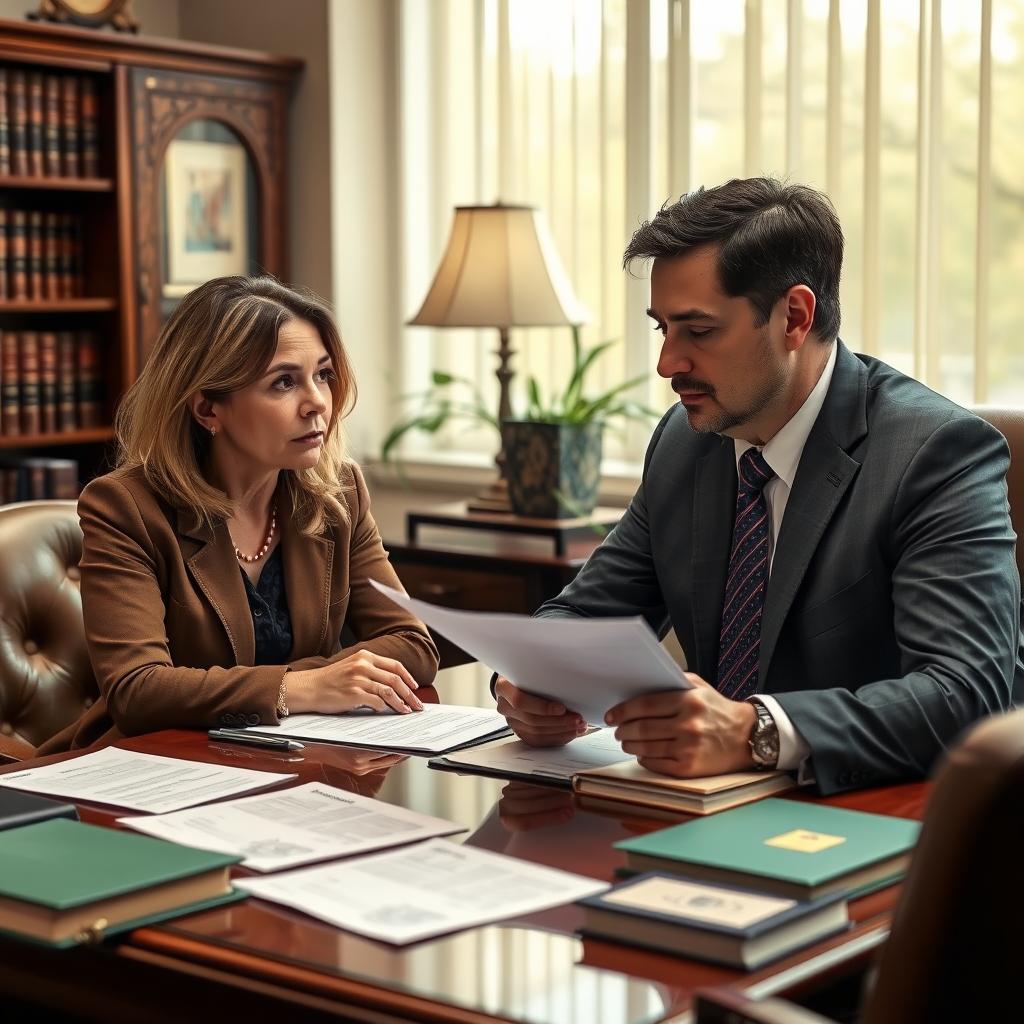
Cruelty Divorce Lawyer Rockingham County, VA
A cruelty divorce is a fault-based divorce proceeding under Virginia law. Law Offices Of SRIS, P.C. represents parties who seek to end a marriage on the ground of cruelty in Rockingham County and the surrounding Shenandoah Valley communities. Under Va. Code § 20‑91(6), a spouse may file for divorce when the other spouse has been guilty of cruelty and caused a reasonable apprehension of bodily hurt. A cruelty divorce does not require the separation period that no‑fault grounds demand, and the Circuit Court of Rockingham County—located at 53 Court Square in Harrisonburg—has exclusive jurisdiction to hear the matter. Whether you are considering filing a cruelty‑based divorce or need to respond to one, Mr. Sris and his Of Counsel team can explain how the ground works, what evidence is required, and how cruelty may affect property division, support, and custody. For a consultation, reach Law Offices Of SRIS, P.C. at (888) 437‑7747. Law Offices Of SRIS, P.C. – Advocacy Without Borders.
What Cruelty Divorce Means in Rockingham County, Virginia
Cruelty is one of the statutory fault grounds for divorce from the bond of matrimony recognized in Virginia. The statute, Va. Code § 20‑91(6), permits a court to grant a divorce when one party has been guilty of cruelty and caused the other party to have a reasonable apprehension of bodily hurt. Unlike no‑fault divorce—which generally requires one year of separation, or six months with a signed settlement agreement and no minor children—a cruelty ground carries no mandatory waiting period. Once the complaint is filed, the case can move directly to the court’s calendar. This makes cruelty an important option for individuals who cannot safely wait out a separation or who need the court to resolve financial, custody, and support issues promptly.
The Rockingham County Circuit Court, located at 53 Court Square in Harrisonburg, Virginia, handles all divorce complaints, including cruelty divorces, equitable distribution, and spousal support determinations. Custody and child support disputes that arise during the divorce typically proceed in the Rockingham County Juvenile and Domestic Relations District Court; however, the Circuit Court may address them as part of a comprehensive divorce decree when the case is before it. The judges and court staff in Rockingham County are familiar with fault‑based divorce filings, and local practice expects that allegations of cruelty be supported by credible evidence—often through witness testimony, written records, and corroborating documentation. The firm’s Shenandoah Location serves clients throughout Rockingham County and the surrounding region, helping individuals present their claims clearly and in accordance with the court’s procedural expectations.
The communities we serve in Rockingham County include Harrisonburg, Bridgewater, Dayton, Elkton, Timberville, Broadway, and the rural areas accessed via I‑81, Route 33, and Route 11. The proximity of the Shenandoah Location—at 505 N Main Street, Suite 103 in Woodstock—means that Mr. Sris and his Of Counsel are within a reasonable distance for consultations and court appearances. By appointment, we meet with clients to review the specific facts that may support a cruelty ground and to discuss the practical steps of filing in the Rockingham County Circuit Court.
How Mr. Sris and His Of Counsel Handle Cruelty Divorce Cases
When a client approaches Law Offices Of SRIS, P.C. about a cruelty divorce, the first step is a confidential consultation to assess whether the facts meet the legal standard under Va. Code § 20‑91(6). This requires a detailed discussion of the conduct at issue, the frequency and severity of any incidents, and the impact on the client’s sense of safety. Mr. Sris and his Of Counsel also review any available documentation—police reports, medical records, communications, and third‑party witness statements—that can help establish cruelty and the reasonable apprehension of bodily hurt.
After evaluating the case, we prepare and file a Complaint for Divorce in the Rockingham County Circuit Court. Because cruelty is a fault ground, the Complaint must plead specific facts; a bare recitation of the statutory language is not enough. If immediate financial or child‑related relief is needed, we may file a pendente lite motion asking the court to enter temporary orders for spousal support, child custody, visitation, and use of the family residence. Throughout the process, Mr. Sris and his Of Counsel negotiate where possible—seeking a property settlement agreement that resolves all issues—while preparing thoroughly for trial should the case be contested. Virginia requires at least one corroborating witness for an uncontested divorce hearing, and we ensure that all evidentiary requirements are met whether the matter is resolved by agreement or by the court.
About Mr. Sris and His Of Counsel Team
Mr. Sris, Owner and Founder of Law Offices Of SRIS, P.C., has practiced law since 1997 and is admitted in Virginia, Maryland, the District of Columbia, New Jersey, and New York. He is a former prosecutor whose background gives him insight into presenting evidence, examining witnesses, and constructing a persuasive narrative—skills that translate directly to contested divorce trials. Mr. Sris concentrates a portion of his practice on family law matters, including fault‑based divorces, equitable distribution, and high‑net‑worth marital estates. He testified before the Virginia House Courts of Justice Committee in support of 2019 HB 635 (chief patron Del. David Bulova), legislation that revised Va. Code § 20‑107.3(g).
Mr. Sris is supported by a team of experienced Of Counsel attorneys who collectively bring over 120 years of combined legal experience between Mr. Sris and his Of Counsel. Results may vary. The firm has achieved 4,739+ documented firm-wide results. This team approach means that clients benefit from multiple perspectives during case planning, settlement negotiation, and trial preparation.
Frequently Asked Questions
What is a cruelty divorce in Virginia?
A cruelty divorce is a fault‑based divorce granted when one spouse has been guilty of cruelty and caused the other spouse to have a reasonable apprehension of bodily hurt. The standard is set out in Va. Code § 20‑91(6). Unlike no‑fault divorce, a cruelty filing does not require months of separation before the case can proceed. A cruelty finding may also influence the court’s decisions on spousal support and the division of marital property. The Rockingham County Circuit Court has the authority to hear a cruelty divorce, and the person filing must present evidence that meets the legal threshold. Mr. Sris and his Of Counsel can evaluate your circumstances and advise whether cruelty is a viable ground for your divorce.
How long does a cruelty divorce take in Rockingham County?
The timeline for a cruelty divorce depends on whether the case is contested or settled by agreement. If the parties reach a comprehensive settlement and all documents are in order, the case can typically be finalized within several months after filing in the Rockingham County Circuit Court. A contested cruelty divorce—where the parties disagree on fault, property, support, or custody—may require 9 to 18 months, and complex equitable distribution with business valuations or retirement assets can extend longer. The court’s calendar, the availability of witnesses, and the need for discovery and expert testimony all influence the pace. No specific timeframe is past results do not guarantee a similar outcome; we work to move the matter forward efficiently while protecting your interests.
What evidence is needed for a cruelty divorce in Virginia?
A cruelty divorce requires credible evidence that the other spouse’s conduct caused reasonable apprehension of bodily hurt. This can include testimony from the filing spouse, witnesses who observed harmful behavior, police reports, medical records documenting injuries, photographs, and contemporaneous written communications such as text messages or emails. The Rockingham County Circuit Court weighs the evidence under the standards in Va. Code § 20‑91(6). Because fault allegations are scrutinized carefully, an experienced attorney can help you gather and present the necessary proof in a way that meets the court’s requirements. Preparing a strong evidentiary record early is critical to a successful outcome.
Do I need a lawyer for a cruelty divorce in Rockingham County?
You are not legally required to hire a lawyer to file a cruelty divorce in Virginia, but proceeding without one can create significant risks. Fault‑based grounds demand more than a simple assertion; you must plead specific facts and present admissible evidence. Mistakes in the Complaint, failure to prove the ground, or missed pendente lite motions can delay the case or weaken your position on support and property division. Mr. Sris and his Of Counsel handle cruelty divorces regularly and understand the Rockingham County Circuit Court’s procedures. They can represent you at all stages, from initial filing through trial if necessary, and help you pursue a resolution that addresses your financial and family needs.
How does a cruelty finding affect property division and spousal support?
A cruelty finding can influence both equitable distribution and spousal support in Virginia. Under Va. Code § 20‑107.3(E), the court considers the “circumstances and factors that contributed to the dissolution of the marriage” when dividing marital property. Cruelty by one spouse may lead a judge to award a larger share of the marital estate to the other. Similarly, spousal support determinations under Va. Code § 20‑107.1 consider the grounds for divorce and the relative fault of the parties. A spouse found to have committed cruelty may be ordered to pay more support or pay it for a longer duration. These outcomes are not automatic—the court weighs multiple statutory factors—but counsel can present evidence and argument to link the cruelty to your financial and non‑financial circumstances.
Explore related practice areas: Family Law Lawyer in Shenandoah County, VA • Family Law Lawyer in Frederick County, VA • Family Law Lawyer in Augusta County, VA • Family Law Lawyer in Clarke County, VA
View primary sources: Virginia Code Title 20 (Domestic Relations) • Virginia Judicial System
Attorney advertising. Prior results do not guarantee a similar outcome. Results may vary.
Case results depend on a variety of factors unique to each case.