
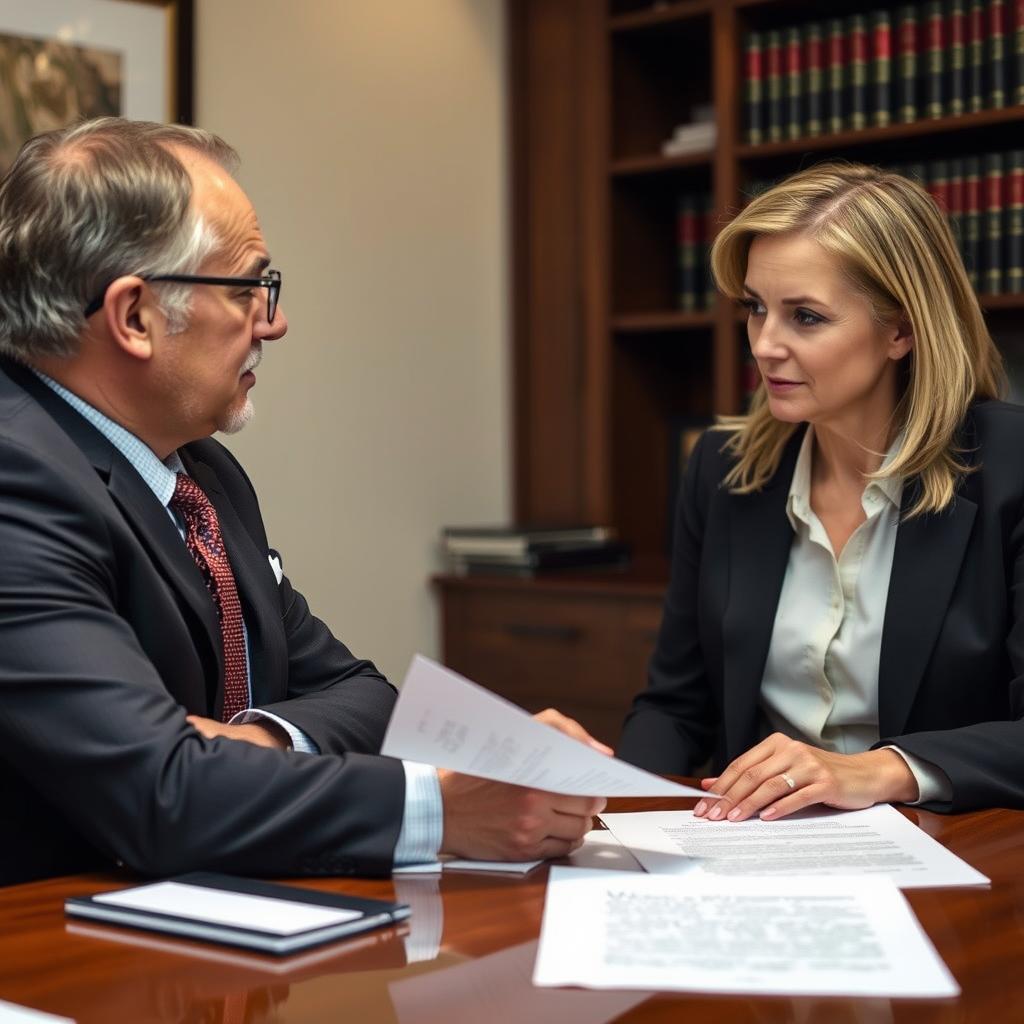
Fault Based Divorce Lawyer Fluvanna County
A fault based divorce in Fluvanna County requires proving specific grounds under Virginia law. You need a lawyer who knows the Fluvanna County Circuit Court. Law Offices Of SRIS, P.C.—Advocacy Without Borders. provides that representation. Our attorneys build strong cases for adultery, cruelty, or desertion. We protect your rights in property division and support. (Confirmed by SRIS, P.C.)
Statutory Definition of Fault Divorce in Virginia
Virginia Code § 20-91 establishes fault grounds for divorce as a contested civil action with significant financial and custodial consequences. A fault based divorce lawyer Fluvanna County must prove one of the statutory grounds by clear and convincing evidence. This is not a simple filing. It is a litigation process where the plaintiff bears the burden of proof. The court must find the defendant’s misconduct caused the marriage breakdown. This finding directly impacts alimony, equitable distribution, and attorney’s fee awards. Fault divorces are often more complex and costly than no-fault cases. They require detailed evidence gathering and strategic legal argument.
Virginia law provides specific fault grounds. You cannot simply claim “irreconcilable differences.” You must allege and prove a defined act. The statutes are precise. Your case hinges on meeting their legal definitions. A Fluvanna County fault divorce attorney must map your facts to the code. The court will scrutinize your evidence. Weak proof leads to case dismissal. You may then be forced to wait out a separation period. Understanding these statutes is the first critical step.
What are the fault grounds for divorce in Virginia?
Virginia recognizes five specific fault grounds under Code § 20-91. Adultery is sexual intercourse by either spouse with someone other than their husband or wife. Cruelty involves reasonable apprehension of bodily hurt or danger to life. Willful desertion is the abandonment of one spouse by the other for one year. A felony conviction with a sentence of more than one year is a ground. The final ground is proven sodomy or buggery committed outside the marriage.
How does fault impact alimony in Fluvanna County?
Fault is a primary factor in alimony determinations under Virginia Code § 20-107.1. A judge can deny alimony to a spouse found guilty of a fault ground. The court can also reduce the amount or duration of support. Conversely, being the innocent spouse can strengthen a claim for support. The financial misconduct often accompanying fault acts is also considered. This includes dissipation of marital assets. A fault based divorce lawyer Fluvanna County uses this use in negotiations.
What is the burden of proof for a fault divorce?
The plaintiff must prove the fault ground by clear and convincing evidence. This standard is higher than a mere preponderance of the evidence. It requires evidence that is substantially more likely to be true than not. For adultery, circumstantial evidence can be used but must be strong. Proving cruelty requires showing actual harm or reasonable fear. Desertion requires proof of intent to abandon the marital relationship. Meeting this burden demands thorough documentation and witness testimony.
The Insider Procedural Edge in Fluvanna County Circuit Court
Your case is filed at the Fluvanna County Circuit Court located at 132 Main Street, Palmyra, VA 22963. This court handles all fault-based divorce proceedings for the county. Procedural specifics for Fluvanna County are reviewed during a Consultation by appointment at our Fluvanna County Location. The general timeline from filing to final hearing can vary. It depends on court docket schedules and case complexity. Filing fees are set by the state and county clerk. You must serve the complaint properly on your spouse. Failure to follow local rules can delay your case for months.
The Fluvanna County Circuit Court expects strict adherence to filing requirements. Pleadings must be formatted correctly. All necessary certificates and disclosures must accompany the initial complaint. The court clerk’s Location can provide basic forms but not legal advice. Local rules may dictate specific procedures for presenting certain types of evidence. For instance, presenting digital evidence of adultery has specific protocols. Knowing these unwritten rules is an advantage. An experienced fault divorce attorney in Fluvanna County handles these procedures efficiently. Learn more about Virginia family law services.
What is the typical timeline for a fault divorce case?
A contested fault divorce can take nine months to over a year to resolve. The initial complaint filing starts the clock. The defendant has 21 days to file an answer after being served. Discovery periods for gathering evidence can last several months. Settlement negotiations may occur at any point. If no settlement is reached, the court will schedule a trial. Trial dates depend on the court’s availability. Fluvanna County’s docket load directly impacts this schedule.
What are the court costs and filing fees?
Filing a complaint for divorce in Fluvanna County requires payment of clerk’s fees. These fees cover the filing, service of process, and other administrative costs. The exact amount should be confirmed with the Fluvanna County Circuit Court Clerk. Additional costs arise for motions, subpoenas, and experienced witnesses. If the case goes to trial, daily court reporting fees apply. The prevailing party may recover some costs, but not attorney fees, absent an agreement or statutory basis.
Penalties, Outcomes, and Defense Strategies
The most common penalty in a fault divorce is a financial disadvantage in asset division and support. A finding of fault directly influences the court’s final orders. It is not about jail time. It is about money, property, and parental rights. The table below outlines the potential legal and financial outcomes.
| Offense / Finding | Potential Penalty / Outcome | Notes |
|---|---|---|
| Adultery | Bar to spousal support; unequal division of assets. | Virginia is a “pure” no-fault state for property, but fault affects equity. |
| Cruelty | Favorable custody determination; award of attorney’s fees. | Must show impact on children or financial stability. |
| Willful Desertion | Forfeiture of rights to certain marital property; support obligation for abandoned spouse. | The one-year desertion period is a statutory minimum. |
| Felony Conviction | Limits on custody/visitation; negative factor in equitable distribution. | Sentence must be more than one year. |
[Insider Insight] Fluvanna County prosecutors in juvenile and domestic relations matters often take a fact-intensive approach. In the Circuit Court context for divorce, judges weigh fault evidence carefully. They look for corroboration. Allegations without clear proof are given little weight. The local legal community is tight-knit. Reputation for thorough preparation matters. An attorney known for presenting solid, admissible evidence gains credibility fast.
Defense against a fault allegation requires a proactive strategy. You must challenge the evidence’s sufficiency. You can assert defenses like condonation or connivance. Condonation is forgiveness of the act by resuming marital cohabitation. Connivance involves setting up or consenting to the fault act. Recrimination argues the plaintiff is also guilty of a fault ground. A strong defense can force a settlement or switch the case to a no-fault basis. This protects your financial and parental interests.
Can fault affect child custody in Virginia?
Yes, fault can significantly impact custody under Virginia Code § 20-124.3. The court’s primary concern is the child’s best interests. Evidence of cruelty or adultery that harms the child’s environment is relevant. A parent’s felony conviction is a direct factor. The judge considers which parent is more likely to support the child’s relationship with the other. A pattern of destructive behavior documented as fault can sway custody decisions. Learn more about criminal defense representation.
What is the cost of hiring a fault divorce lawyer?
Legal fees for a fault divorce are typically higher than for an uncontested no-fault divorce. The cost reflects the litigation required. It includes attorney time for discovery, depositions, motions, and trial preparation. Most firms, including SRIS, P.C., charge an hourly rate or require a retainer. The total cost depends on case complexity and how contested the issues become. A direct fault case costs less than one with complex asset valuation and custody disputes. We discuss fee structures transparently during your initial consultation.
Why Hire SRIS, P.C. for Your Fluvanna County Fault Divorce
Our lead attorney for family law matters has over a decade of focused litigation experience in Virginia courts. This attorney has handled numerous contested divorces in Fluvanna County and surrounding jurisdictions. They understand the nuances of presenting fault evidence to local judges. The team’s approach is strategic and evidence-driven. We prepare every case as if it is going to trial. This posture often leads to better settlement outcomes. Our goal is to protect your future financial and familial stability.
SRIS, P.C. has a dedicated team for complex family law litigation. We assign multiple legal professionals to review your case details. We investigate the alleged fault grounds thoroughly. We gather necessary documentation, financial records, and witness statements. Our familiarity with Fluvanna County Circuit Court procedures prevents procedural missteps. We know the local rules and the judges’ preferences for evidence presentation. This localized knowledge is critical for efficiency and effectiveness. We provide aggressive legal advocacy in the family law context.
Our firm’s resources support your case. We have access to forensic accountants for asset tracing. We work with private investigators when necessary to gather evidence. We use technology to organize and present complex financial data clearly. We communicate with you directly and regularly. You will understand each step of the process. We believe informed clients make better decisions. Our commitment is to achieve the best possible resolution for your specific situation.
Localized FAQs for Fault Divorce in Fluvanna County
How long do you have to be separated for a no-fault divorce in Virginia?
Virginia requires a continuous separation period. You need one year of separation if you have no minor children and a signed separation agreement. The period is six months if you have no minor children, a signed agreement, and no contested issues.
Can you get a divorce in Virginia if your spouse refuses to sign?
Yes, you can get a divorce without your spouse’s signature. A fault based divorce is one method when your spouse contests the action. The court can grant a divorce by default if the spouse is properly served but does not respond. Learn more about personal injury claims.
What is the difference between divorce from bed and board and divorce from the bond of matrimony?
A divorce from bed and board is a legal separation, not a final divorce. It does not allow remarriage. A divorce from the bond of matrimony is an absolute, final divorce. It dissolves the marriage entirely and permits remarriage.
How is property divided in a Virginia divorce?
Virginia follows the principle of equitable distribution. The court divides marital property fairly, but not necessarily equally. Factors include each spouse’s contributions, the marriage duration, and the circumstances leading to the divorce, including fault.
Can adultery affect spousal support in Fluvanna County?
Yes, adultery is a complete bar to spousal support under Virginia law. If a spouse is found guilty of adultery, the court cannot award them alimony. This is a critical financial consequence in fault-based proceedings.
Proximity, Contact, and Essential Disclaimer
Our Fluvanna County Location serves clients throughout the region. We are accessible for meetings to discuss your fault-based divorce case. The strategic approach of a fault based divorce lawyer Fluvanna County is essential for protecting your rights. Consultation by appointment. Call 888-437-7747. 24/7.
SRIS, P.C.
Advocacy Without Borders.
Phone: 888-437-7747
Past results do not predict future outcomes.