
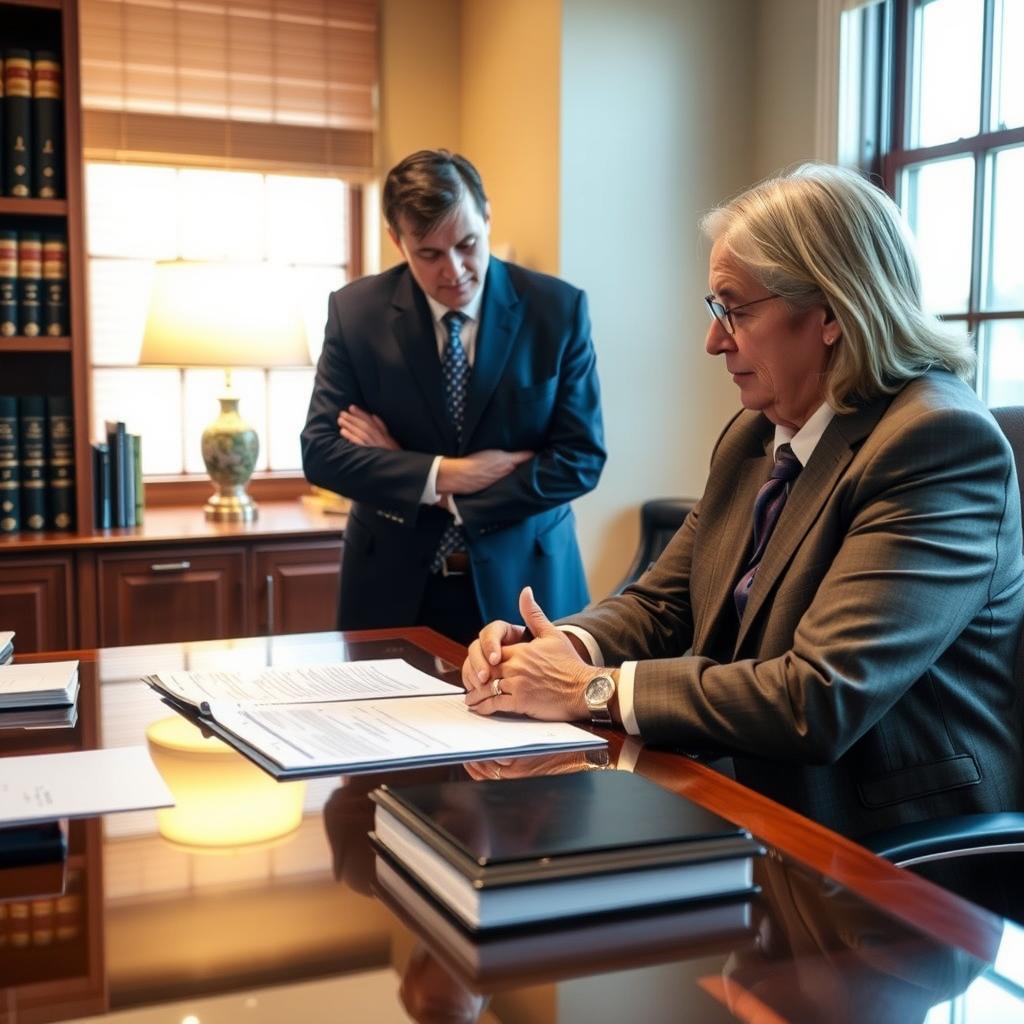
Fault Based Divorce Lawyer King William County, VA
When a marriage breaks down because of a spouse’s misconduct, Virginia law provides a path to divorce without the usual wait. In King William County, those circumstances are governed by Va. Code § 20-91, which allows a fault-based divorce on grounds such as adultery, cruelty, desertion, or certain felony convictions. Law Offices Of SRIS, P.C. Concentrates its family law practice on representing clients in fault-based divorces before the King William County Circuit Court. Mr. Sris and his Of Counsel bring experience in handling the evidentiary demands of fault cases and the equitable distribution of marital property. For a consultation about a fault-based divorce in King William County, call (888) 437-7747. Law Offices Of SRIS, P.C. – Advocacy Without Borders.
What Fault-Based Divorce Means in King William County
King William County’s family law matters are divided between two courts. The King William County Circuit Court, located at 351 Courthouse Lane, King William, handles all divorce, equitable distribution, and spousal support cases. Standalone custody, visitation, and protective orders are handled by the King William County Juvenile and Domestic Relations District Court. Fault-based divorce cases, however, are the exclusive domain of the Circuit Court, which has authority over the dissolution of the marriage itself and the division of property that accompanies it.
Under Va. Code § 20-91, Virginia recognizes several fault grounds. Adultery is the most commonly litigated, and it carries a significant procedural advantage: no waiting period. If adultery is proven, the court may grant a divorce without requiring the parties to have lived apart for six months or a year. Cruelty and reasonable apprehension of bodily harm are also grounds, as is desertion lasting at least one year. Additionally, a felony conviction resulting in more than one year of imprisonment qualifies as a fault ground. In contrast, a no-fault divorce requires a six-month separation (with no minor children and a signed separation agreement) or a one-year separation otherwise. For many spouses in King William County, pursuing a fault ground is the most direct path to ending a difficult marriage, and it can also influence the court’s decisions on property division and support.
Because Virginia is an equitable distribution state under Va. Code § 20-107.3, the court divides marital property fairly but not necessarily equally. When fault is established, the court may consider the circumstances that led to the dissolution of the marriage—including marital misconduct—as one of the factors in dividing assets and setting spousal support. Mr. Sris testified before the Virginia House Courts of Justice Committee in support of 2019 HB 635 (chief patron Del. David Bulova), which revised the equitable distribution statute to address practical issues in implementing such orders. That legislative experience reflects the firm’s deep familiarity with Virginia’s property-division framework.
How Mr. Sris and His Of Counsel Handle Fault-Based Divorce Cases
Fault-based divorce cases require a careful gathering and presentation of evidence. Adultery claims, for example, must be supported by clear and convincing proof, which can include testimony from witnesses, electronic records, or private investigators. Mr. Sris and his Of Counsel work with clients to determine what evidence is available and how to build a persuasive case without unnecessary acrimony. The firm also advises spouses who are accused of fault, helping them evaluate whether the evidence meets the statutory standard and whether settlement is achievable.
Once a Complaint is filed in the King William County Circuit Court, the case proceeds through discovery, pretrial motions, and, if necessary, a final hearing. The firm’s approach emphasizes candid communication about the strengths and weaknesses of each position, aiming for a resolution that protects the client’s interests while minimizing the emotional and financial toll of litigation. Property valuation, including business interests and retirement accounts, is often central to the equitable distribution phase. Mr. Sris and his Of Counsel coordinate with forensic accountants and other professionals when needed, ensuring that all marital assets are properly classified and presented to the court.
About Mr. Sris and His Of Counsel Team
Mr. Sris, Owner and Founder of Law Offices Of SRIS, P.C., is a former prosecutor who has practiced since 1997. He is admitted in Virginia, Maryland, the District of Columbia, New Jersey, and New York. His background in criminal trial work gives him a practical understanding of how evidence is tested in court, an advantage in fault-based divorce cases where the standard of proof is high. Mr. Sris testified before the Virginia House Courts of Justice Committee in support of 2019 HB 635 (chief patron Del. David Bulova), a bill that updated the state’s equitable distribution statute. He is assisted by a team of Of Counsel attorneys, each with extensive experience in family law and litigation.
Mr. Sris and his Of Counsel bring over 120 years of combined legal experience and have achieved 4,739+ documented firm-wide results. Results may vary. The firm’s Richmond location at 7400 Beaufont Springs Drive, Suite 300, Room 395, Richmond, VA 23225 serves clients throughout King William County and the surrounding region. For a consultation, reach the firm at (888) 437-7747.
Frequently Asked Questions
What is a fault-based divorce in Virginia?
A fault-based divorce in Virginia is one in which a spouse alleges that the other’s marital misconduct caused the breakdown of the marriage, which eliminates the need for the standard separation period. Under Va. Code § 20-91, fault grounds include adultery, cruelty, desertion for at least one year, and certain felony convictions. In King William County, these cases are heard by the King William County Circuit Court. A successful showing of fault can affect both the timing of the divorce and the court’s decisions on property division and spousal support. The burden of proof rests on the spouse alleging the fault, and allegations must be supported by evidence. Many couples resolve fault questions through settlement, while others litigate the issue fully. An experienced divorce attorney can explain which ground applies to your situation.
How does adultery affect a divorce in King William County?
Adultery is a ground for divorce in Virginia that removes the separation requirement, potentially speeding up the process and influencing the court’s rulings on property and support. If adultery is proven, the King William County Circuit Court may grant a divorce without any period of separation. The conduct can also be considered under Va. Code § 20-107.3 when determining equitable distribution of marital property and spousal support. Proving adultery typically requires clear and convincing evidence, which may include testimony, communications, or other documentation. In some cases, the court may deny support to a spouse found to have committed adultery. Mr. Sris and his Of Counsel handle both sides—representing spouses who allege fault and those who defend against such claims—and work to protect the client’s financial interests.
How is property divided in a fault-based divorce?
Virginia courts apply equitable distribution under Va. Code § 20-107.3, dividing marital assets fairly but not necessarily equally, and marital misconduct can be a factor in that determination. The King William County Circuit Court first classifies property as separate, marital, or hybrid, then values it and divides the marital portion. The statute lists 11 factors the court must consider, including the circumstances that contributed to the dissolution of the marriage. Fault-based conduct, such as adultery or cruelty, can fall within that factor. Separate property—assets owned before marriage or received by gift or inheritance—is generally not subject to division. Because property division in a fault-based divorce can be contentious, early consultation with a lawyer is helpful to understand what financial outcome is realistic.
Do I need a lawyer for a fault-based divorce in King William County?
You are not legally required to hire an attorney, but fault-based divorce involves legal standards and evidence that are challenging to navigate without professional help. Proving fault requires presenting admissible evidence and complying with court procedures. Mistakes in filing or discovery can delay the case or weaken your position. An attorney can gather and preserve evidence, draft the necessary pleadings, and present your case effectively. In King William County, the Circuit Court expects compliance with the Virginia Rules of Evidence and local practices. Mr. Sris and his Of Counsel provide representation at every stage, from initial consultation through trial if necessary. Requesting a consultation early allows you to assess your options before critical deadlines arise.
How do I file for a fault-based divorce in King William County?
To initiate a fault-based divorce in King William County, you file a Complaint in the King William County Circuit Court stating the specific fault ground and supporting facts. The Complaint must be served on the other spouse. The filing party must also meet Virginia’s residency requirement of at least six months of domicile. The court will then schedule a hearing. If the other spouse contests the fault allegation, the case may proceed to trial where evidence is presented. Throughout the process, procedural deadlines apply, and missing a filing or response can affect the outcome. Law Offices Of SRIS, P.C. assists clients in preparing and filing all necessary documents and ensures that the case complies with local court rules.
What is the role of a fault-based divorce lawyer?
A fault-based divorce lawyer guides you through the legal process, helps gather and present evidence of marital misconduct, and advocates for your interests in property division, support, and other related matters. In King William County, the lawyer’s role includes drafting the Complaint, responding to motions, conducting discovery, and representing you at hearings. They also advise on settlement possibilities and negotiate with the other side. Because fault-based divorces can involve sensitive personal information, a lawyer provides a buffer that allows you to focus on moving forward. Mr. Sris and his Of Counsel bring experience in both the substantive law of fault grounds and the practical demands of Virginia’s equitable distribution framework.
Family law representation in Fairfax County | Fairfax City family law services | Falls Church divorce lawyer | Prince William County family law attorney | Manassas family law practice
Attorney advertising. Prior results do not guarantee a similar outcome.
Case results depend on a variety of factors unique to each case.