
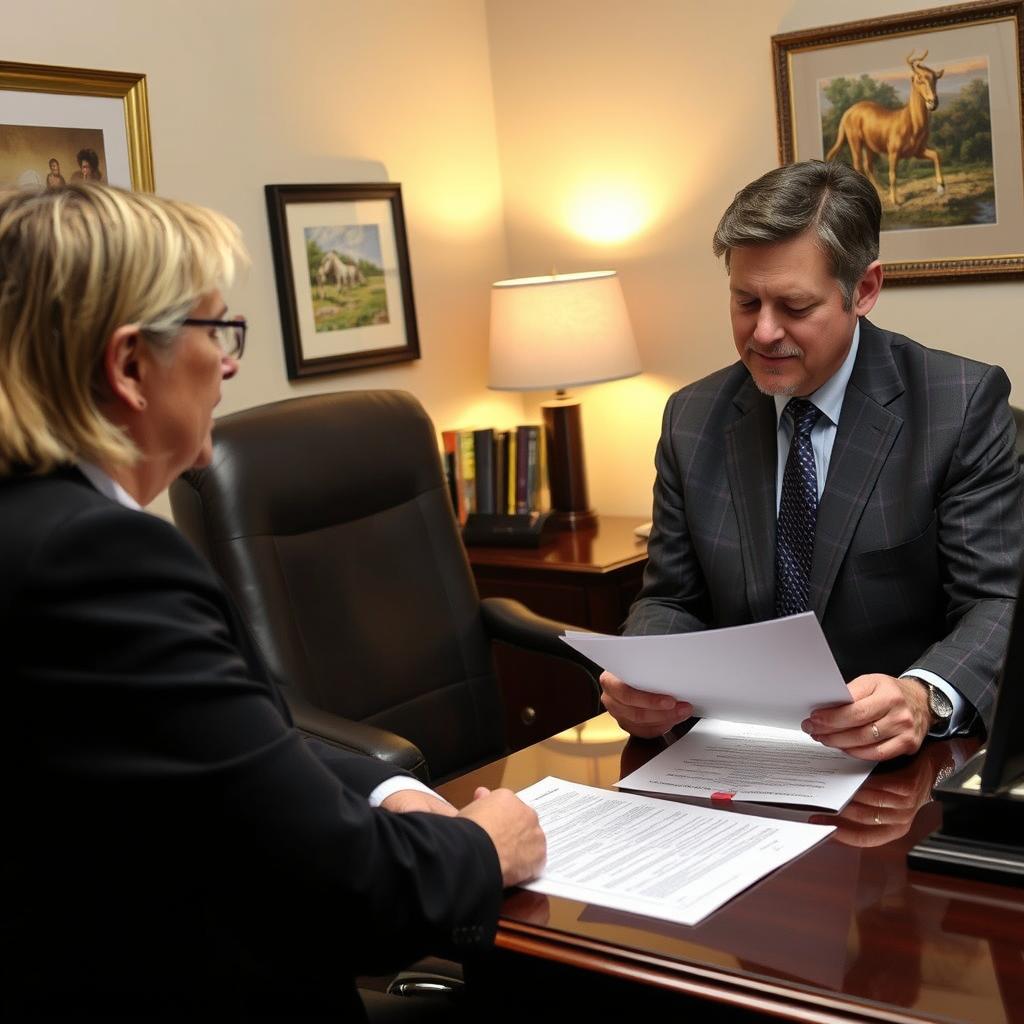
Minor Guardianship Lawyer Dinwiddie County, VA
When a minor child in Dinwiddie County needs a legal guardian, the matter proceeds under Virginia Code Title 64.2 and is heard in the county’s Juvenile and Domestic Relations District Court or Circuit Court. Mr. Sris and the firm’s Of Counsel attorneys represent family members and other interested adults who seek to provide a stable home for a child when a parent cannot do so. The firm’s Richmond location serves families in Dinwiddie, McKenney, and surrounding areas. A minor guardianship petition may involve a relative stepping in after a parent’s illness, a grandparent seeking legal authority to enroll a child in school, or a concerned adult responding to a family crisis. Whatever the circumstance, Mr. Sris and the firm’s Of Counsel attorneys help clients understand the statutory requirements, gather the necessary evidence, and appear in court to protect the child’s interests. To schedule a consultation, reach Law Offices Of SRIS, P.C. at (888) 437‑7747. Law Offices Of SRIS, P.C. – Advocacy Without Borders.
What Minor Guardianship Means in Dinwiddie County, Virginia
Minor guardianship in Virginia is a legal arrangement that grants a responsible adult the authority to care for and make decisions for a child under 18. The court bases its decision on the best interests of the child, guided by Va. Code § 64.2‑2000 and related provisions. In Dinwiddie County, a guardianship petition may originate in the Juvenile and Domestic Relations (J&DR) District Court, which handles custody, support, and protective‑order matters alongside guardianship. The Dinwiddie County Circuit Court may also hear cases when a guardianship is tied to a divorce or estate proceeding. The Dinwiddie County J&DR Court is located at the Dinwiddie Courthouse, Dinwiddie, VA 23841, and is part of the Eleventh Judicial District.
Because Virginia is not a community property state and its equitable‑distribution framework governs divorce‑related matters, a minor‑guardianship case rarely turns on property‑division principles. Instead, the court evaluates the child’s relationship with the proposed guardian, the parent’s current ability to care for the child, and any history of abuse or neglect. Kinship guardianship—where a grandparent, aunt, or uncle petitions—is common in the county. The court may also appoint a guardian ad litem to represent the child’s separate interests. Mr. Sris and the firm’s Of Counsel attorneys regularly appear before the Dinwiddie County courts and understand how local judges and court staff approach guardianship petitions.
How Mr. Sris and the Firm’s Of Counsel Attorneys Handle Minor Guardianship Cases
The firm begins by reviewing the family’s situation and determining which court has jurisdiction over the petition. In many Dinwiddie County cases, the J&DR Court has authority, but if a parent’s rights are being terminated or if the child’s estate is substantial, the Circuit Court may be the proper venue. Mr. Sris and the firm’s Of Counsel attorneys prepare the petition, gather required consents or notification documents, and, when necessary, arrange for a home study. Home‑study evaluations, typically conducted by a licensed social worker or agency, provide the court with an independent assessment of the proposed guardian’s home and fitness. The court schedules a hearing on its calendar, and the firm represents the petitioner throughout that process.
During the hearing, the attorney presents evidence that the guardianship is in the child’s best interests and addresses any objections from parents or other interested parties. If a parent contests the guardianship, the court may order mediation or set a trial date. Because a minor guardianship order can affect parental rights, school enrollment, and eligibility for public benefits, the firm works to ensure the final order clearly states the guardian’s authority and any ongoing obligations. Post‑appointment, Mr. Sris and the firm’s Of Counsel attorneys can assist with modifications or with enforcement if a parent interferes with the guardian’s legal custody.
About Mr. Sris and the Firm’s Of Counsel Attorneys
Mr. Sris, Owner and Founder of Law Offices Of SRIS, P.C., has practiced in Virginia, Maryland, the District of Columbia, New Jersey, and New York since 1997. He is a former prosecutor and has handled a range of family law matters, including contested guardianship petitions in the Richmond area and throughout Central Virginia. Mr. Sris testified before the Virginia House Courts of Justice Committee in support of 2019 HB 635 (chief patron Del. David Bulova). His experience in the courtroom and his familiarity with the Dinwiddie County courts inform the firm’s approach to each minor‑guardianship case.
The firm’s Of Counsel attorneys bring extensive family‑law and litigation experience to minor‑guardianship matters. Several Of Counsel attorneys have served as former prosecutors or have backgrounds in child‑welfare proceedings. The collective experience of the firm allows clients in Dinwiddie County to receive guidance that is both legally sound and sensitive to the practical realities of caring for a child under a court order. The firm’s Richmond location serves clients at the Dinwiddie County courthouse and throughout the Eleventh Judicial District.
Frequently Asked Questions
What is a minor guardianship in Virginia?
A minor guardianship is a court‑approved arrangement in which a responsible adult is given legal authority to care for and make decisions for a child under 18. In Virginia, the proceeding is governed by Title 64.2 of the Virginia Code and may be filed by a relative or other interested person. The court considers the child’s best interests and may terminate a guardianship when it is no longer needed.
How is minor guardianship different from child custody?
Minor guardianship is a separate legal status from custody, although both involve care and decision‑making for a child. Custody often relates to a divorce or separation and is between parents, while guardianship typically involves a non‑parent who is seeking legal authority because a parent is unavailable, unfit, or has consented to the arrangement. In Dinwiddie County, the J&DR Court may handle both types of cases, but the statutory frameworks differ.
Who can file for minor guardianship in Dinwiddie County?
A grandparent, sibling, aunt, uncle, adult cousin, or any interested adult who demonstrates a legitimate concern for the child’s welfare may file a petition. The petitioner must show that the guardianship serves the child’s best interests and that the proposed guardian is suitable. In kinship‑guardianship cases, the court often gives strong weight to a relative who has an established bond with the child and who has been providing care.
What is the process for obtaining a minor guardianship in Dinwiddie County?
The process begins with filing a petition in the Dinwiddie County Juvenile and Domestic Relations District Court or Circuit Court, depending on the circumstances. The petitioner must serve notice on the child’s parents and any other required parties. The court may order a home study or appoint a guardian ad litem for the child. A hearing is then scheduled, at which the judge hears evidence and decides whether to grant the guardianship. An attorney can help ensure the petition is complete and that the evidence is presented effectively.
Do I need a lawyer for a minor guardianship case in Dinwiddie County?
While you are not legally required to have an attorney, a minor‑guardianship proceeding involves procedural rules, evidence standards, and statutory requirements that can be challenging to navigate alone. An experienced family‑law attorney can help you prepare the petition, gather the necessary documentation, and present your case in court. If a parent contests the guardianship, legal representation becomes even more important. To discuss your situation, reach Law Offices Of SRIS, P.C. at (888) 437‑7747.
Virginia Legal Resources
For additional information on minor guardianship law, you may wish to review the Virginia Code Title 64.2 (Wills, Trusts, and Fiduciaries) and the Dinwiddie County court information page on the Virginia Judicial System website (Dinwiddie County Courts). These official sources contain the statutes and court‑system details that govern guardianship proceedings in the county.
Attorney advertising. Prior results do not guarantee a similar outcome. Results may vary.
Case results depend on a variety of factors unique to each case.