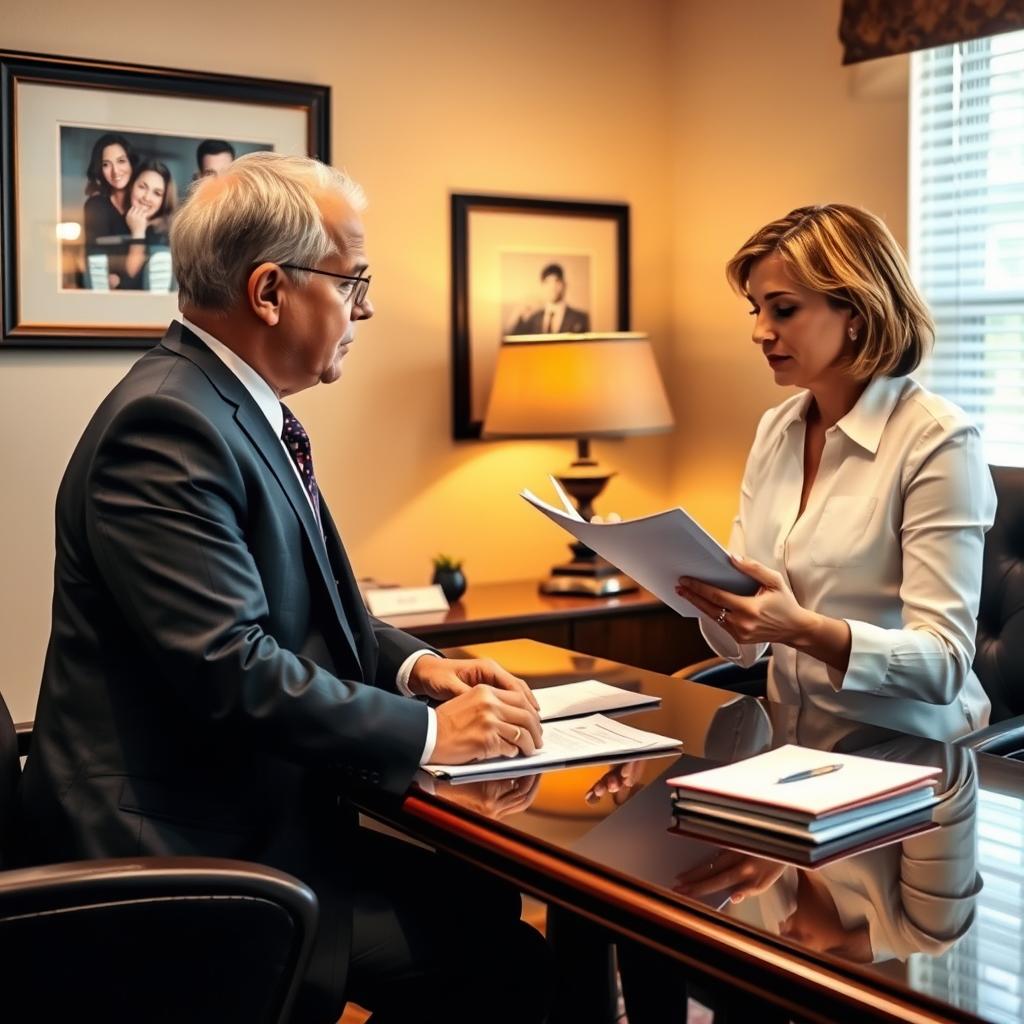
Postnup Lawyer Virginia, VA
Postnuptial agreements allow married couples to define their financial rights and obligations during marriage and in the event of divorce. If you and your spouse are considering a postnup in Virginia, you need counsel with experience in family law, equitable distribution, and the Virginia Premarital Agreement Act. Mr. Sris and his Of Counsel team at Law Offices Of SRIS, P.C. Concentrate on postnuptial agreements and related marital agreements, representing clients across the Commonwealth. Whether you are seeking to protect separate property, clarify support expectations, or negotiate terms in the context of a reconciliation, our firm brings extensive family law experience to your matter. Reach Law Offices Of SRIS, P.C. at (888) 437-7747 to schedule a consultation.
What Postnuptial Agreements Mean in Virginia
In Virginia, postnuptial agreements are authorized under the Virginia Premarital Agreement Act (Va. Code § 20‑147 et seq.), which applies equally to agreements made before or after marriage. A postnup is a contract between spouses that may address property division, spousal support, or other financial matters if the marriage ends. Virginia courts will enforce a postnuptial agreement if it is entered into voluntarily, with full financial disclosure, and is not unconscionable. Virginia is an equitable distribution state, so a valid postnup can override the default statutory rules for dividing marital property and determining support.
Postnuptial agreements can be especially useful when a spouse receives a significant inheritance, starts a business, or when the couple wishes to avoid future conflict. Because the agreement must be in writing and signed by both parties, the drafting process demands thorough attention to each spouse’s assets, debts, and future interests. The Circuit Court has jurisdiction over enforcement or challenges to a postnup in a divorce proceeding. Working with legal counsel who understands these requirements helps ensure that the agreement is both fair and legally sound.
How Mr. Sris and His Of Counsel Handle Postnup Cases
Mr. Sris and his Of Counsel team approach postnuptial agreements with a focus on clear communication, thorough asset analysis, and strict compliance with Virginia law. The process begins with a confidential consultation to understand your goals and the dynamics of your marriage. We then assist in identifying all marital and separate property, evaluating business interests, retirement accounts, real estate, and other complex assets. We draft the agreement or review the one your spouse has presented, ensuring the terms are fair and legally enforceable.
Where appropriate, we negotiate directly with the other spouse or their counsel to reach mutually acceptable terms. Every postnuptial agreement we assist with is crafted to withstand judicial scrutiny under Va. Code § 20‑147 et seq., including the requirement for full and fair disclosure. If enforcement becomes necessary later, we have the litigation experience to uphold the agreement in court. Throughout the process, we keep you informed and respect the personal nature of these decisions.
About Mr. Sris and His Of Counsel Team
Mr. Sris, Owner and Founder of Law Offices Of SRIS, P.C., is a former prosecutor admitted in Virginia, Maryland, the District of Columbia, New Jersey, and New York. He testified before the Virginia House Courts of Justice Committee in support of 2019 HB 635 (chief patron Del. David Bulova), a bill that revised Virginia’s equitable distribution statute. Since founding the firm in 1997, Mr. Sris has concentrated his practice on family law, including complex marital agreements. He is supported by a team of experienced Of Counsel attorneys who bring additional depth in family law, litigation, and negotiation. Mr. Sris and his Of Counsel bring extensive combined legal experience to postnuptial agreement matters. Results may vary.
Frequently Asked Questions
What is a postnuptial agreement?
A postnuptial agreement is a written contract between spouses that outlines how marital property, debts, and spousal support will be handled if the marriage ends. Unlike a separation agreement, a postnup is created while the couple remains married and intends to stay together. Under Virginia law, it can modify the default rules of equitable distribution and support, provided the agreement meets statutory requirements for voluntariness and full financial disclosure. Couples often use postnups to provide certainty and reduce conflict, particularly after a change in financial circumstances.
Are postnuptial agreements enforceable in Virginia?
Yes, postnuptial agreements are enforceable in Virginia if they comply with the Virginia Premarital Agreement Act, including voluntary execution and full financial disclosure. A court will examine whether both spouses entered the agreement freely, without duress or coercion, and whether they adequately disclosed their assets and debts. If the agreement is unconscionable when signed, or if a spouse would become eligible for public assistance as a result, a court may refuse to enforce it. Having each side represented by independent counsel strengthens enforceability.
How does a postnup differ from a prenuptial agreement?
A prenuptial agreement is signed before marriage, while a postnuptial agreement is signed after the wedding, but both are governed by the same Virginia statutes and serve similar purposes. The primary practical difference is timing: a prenup is executed before the marriage, whereas a postnup is entered into during the marriage. The same substantive rules apply, including the need for voluntariness, fairness, and complete financial disclosure. Postnuptial agreements may be used to address changes that occurred after the wedding, such as a spouse’s new business or inheritance.
Can a postnuptial agreement address property division and spousal support?
Yes, postnuptial agreements in Virginia can define how property will be divided and whether spousal support will be paid, subject to certain public policy limits. Spouses may agree to waive, limit, or specify the amount of spousal support, and they can classify property as separate or marital in advance. However, a court may decline to enforce provisions that leave one spouse without adequate support or that violate public policy. The agreement can also address other financial matters, such as responsibility for debts and division of retirement accounts.
Do I need a lawyer to create a postnuptial agreement in Virginia?
You are not legally required to hire a lawyer, but having independent counsel helps ensure the agreement is valid and protects your interests. Virginia courts scrutinize postnuptial agreements closely, especially when the terms appear one‑sided. An attorney can help you understand what rights you are giving up, draft the agreement to meet legal standards, and identify hidden assets or debts. Independent legal advice for each spouse is one of the strongest indicators of a voluntary and informed agreement, reducing the risk of a future challenge.
What should I consider before signing a postnuptial agreement?
Before signing, confirm that all assets and debts are fully disclosed, that you understand the terms, and that you are comfortable giving up rights you might otherwise have under Virginia law. Take time to review the agreement and ask questions, particularly about how it affects your interest in the marital home, retirement funds, or a family business. Consider whether the agreement is fair in light of your current and foreseeable future circumstances. Consulting with a family law attorney before signing can help you negotiate better terms or decide that the agreement is not in your best interest.
Additional resources: Virginia divorce representation | equitable distribution lawyer | child support guidance | prenuptial agreement lawyer
Learn more about Virginia postnuptial agreement law: Virginia Code Title 20 and Virginia Judicial System.
Attorney advertising. Prior results do not guarantee a similar outcome. Results may vary.
Case results depend on a variety of factors unique to each case.