
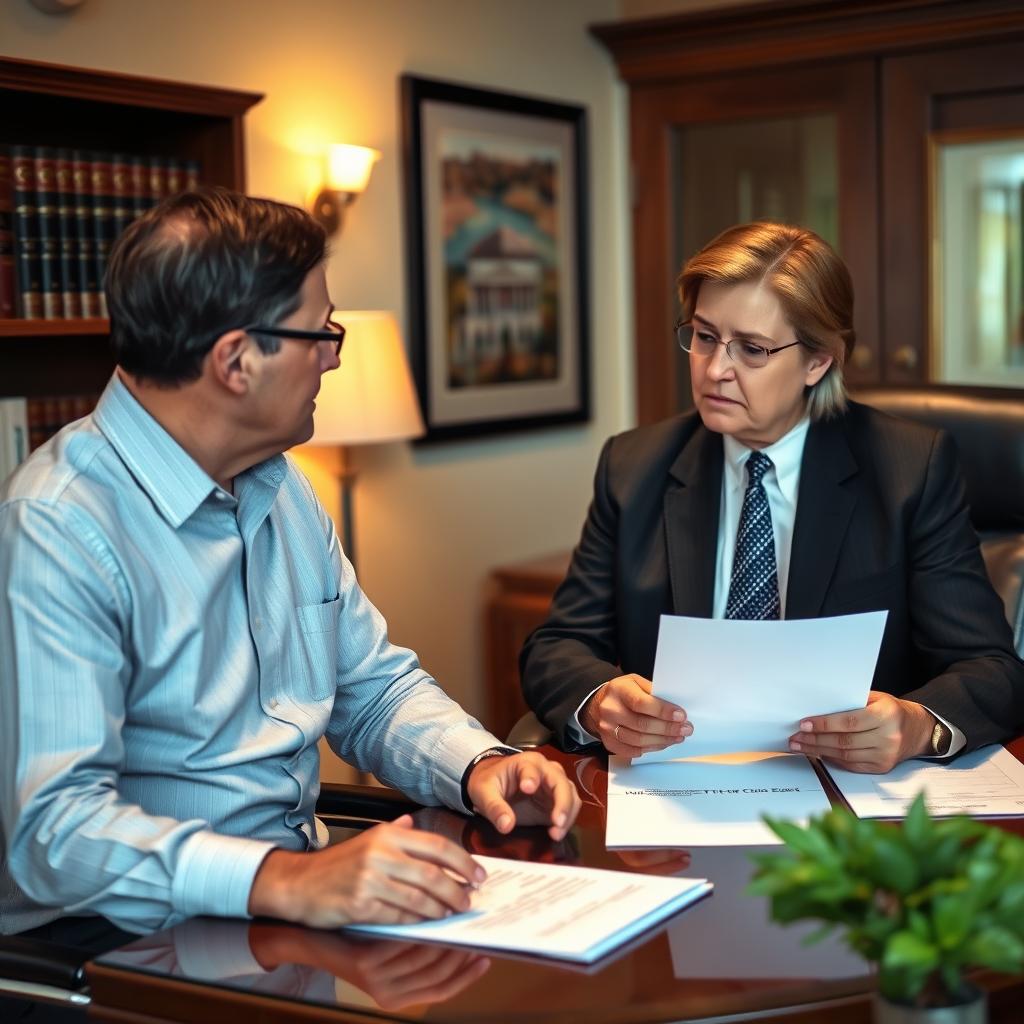
Rehabilitative Alimony Lawyer Virginia, VA
Rehabilitative alimony in Virginia is a form of spousal support designed to help a recipient spouse gain the education, training, or work experience needed to become financially self‑supporting after a divorce. Under Va. Code § 20‑107.1, the court may award this time‑limited support when one spouse has a demonstrated need for assistance while transitioning to the workforce and the paying spouse has the ability to pay. Unlike permanent or indefinite alimony, rehabilitative support is tied to a concrete vocational plan, and its duration is typically tied to the end date of the planned training or education. Mr. Sris and his Of Counsel work with both parties — the spouse seeking support and the spouse opposing it — to present the financial and vocational evidence the court needs to make a fair determination. For a consultation about rehabilitative alimony in Virginia, call (888) 437‑7747. Law Offices Of SRIS, P.C. – Advocacy Without Borders.
Understanding Rehabilitative Alimony in Virginia
Virginia courts consider rehabilitative alimony as a bridge to self‑sufficiency, not as a permanent remedy. The party requesting it must present a realistic rehabilitation plan that outlines the specific training or education they will pursue, how long the plan will take, and the estimated costs. The court then weighs whether the supporting spouse has the financial resources to pay the temporary support while the recipient completes the plan. The statutory factors in Va. Code § 20‑107.1 — including the duration of the marriage, the standard of living during the marriage, each party’s earning capacity, and the contributions each spouse made to the family’s well‑being — all inform the decision. The goal is a defined endpoint: once the recipient finishes the program or a reasonable time for job placement ends, the obligation typically concludes.
Rehabilitative alimony is not appropriate in every case. If the recipient spouse’s age, health, or prolonged absence from the workforce makes it unreasonable to expect them to attain self‑sufficiency, the court may instead consider indefinite support. Conversely, if the recipient already possesses marketable skills and the divorce results in a reasonable division of property, the court may deny rehabilitative support entirely. Cases often involve expert testimony from vocational counselors, economists, and accountants to help the judge project the realistic cost and timeline of the rehabilitation effort. Mr. Sris and his Of Counsel work closely with trusted vocational and financial professionals to build the evidentiary record needed to support a fair spousal‑support outcome.
Frequently Asked Questions
What is rehabilitative alimony in Virginia?
Rehabilitative alimony is a time‑limited form of spousal support intended to help a former spouse obtain the education, training, or work experience necessary to become self‑supporting. The requesting party must present a specific rehabilitation plan, and the court determines whether the supporting spouse has the financial ability to fund that plan while the recipient completes it. Once the plan is finished — or a reasonable period for job placement expires — the obligation normally ends. Virginia courts award rehabilitative support under the factors outlined in Va. Code § 20‑107.1, which focuses on need and ability to pay rather than on punishment of either party.
How does rehabilitative alimony differ from permanent alimony in Virginia?
Rehabilitative alimony is time‑limited and tied to a specific vocational or educational goal; permanent, or indefinite, alimony may continue without a defined end date when the recipient spouse cannot reasonably become self‑supporting due to age, health, or other factors. Courts look at the same 13 statutory factors in Va. Code § 20‑107.1 for both, but rehabilitative alimony requires a concrete plan and a projected duration. If the recipient fails to make a good‑faith effort to complete the rehabilitation plan, the paying spouse can seek to modify or terminate the award. Indefinite support, by contrast, remains in place until a substantial change in circumstances warrants a modification.
What factors does a Virginia court consider when deciding rehabilitative alimony?
The court considers the 13 factors listed in Va. Code § 20‑107.1, including the duration of the marriage, the standard of living during the marriage, each spouse’s earning capacity, age, physical and mental condition, and the contributions each made to the family’s well‑being. For rehabilitative alimony, the judge also examines the feasibility and cost of the proposed training or education, the likely increase in the recipient’s earning power after completing the plan, and whether the supporting spouse has sufficient income to cover both their own needs and the temporary support obligation. The more detailed and realistic the rehabilitation plan, the stronger the court’s ability to craft a fair, time‑bound award.
How long does rehabilitative alimony last in Virginia?
Rehabilitative alimony lasts for the period reasonably necessary to complete the approved education or training program and secure employment in the new field. The court generally sets a fixed end date based on the rehabilitation plan, such as the anticipated graduation date from a degree program or the completion of a vocational certification plus a short job‑search period. If the recipient fails to finish the program or delays unreasonably, the paying spouse can petition the court to terminate support. If the recipient still needs additional support after the plan concludes due to unforeseen circumstances, they may seek a modification, but the court will evaluate whether the extension is justified under the original rehabilitative purpose.
Can rehabilitative alimony be modified or terminated in Virginia?
Yes, either party can request a modification or termination of rehabilitative alimony if there has been a material change in circumstances since the last order. Common grounds include the recipient’s failure to pursue the rehabilitation plan in good faith, the recipient’s obtaining full‑time employment that provides self‑sufficiency earlier than projected, or a substantial change in the supporting spouse’s income or financial condition. The party seeking modification must file a motion with the circuit court that issued the original order and present evidence of the changed circumstances. Mr. Sris and his Of Counsel help clients gather the necessary documentation and present a persuasive case for modification or termination when a genuine change has occurred.
Do I need a lawyer for a rehabilitative alimony case in Virginia?
While you are not legally required to hire a lawyer, having experienced counsel is important because rehabilitative alimony cases often involve complex financial issues, expert testimony, and a heavy evidentiary burden. The party requesting support must prove the need for rehabilitation, the cost of the plan, and a realistic timeline; the party opposing it must disprove those elements or demonstrate an inability to pay. An attorney can help you gather the right evidence, retain vocational attorneys, and present your case effectively under Va. Code § 20‑107.1. Mr. Sris and his Of Counsel have handled Virginia spousal‑support matters since 1997 and work with financial and vocational professionals to build strong cases.
What happens if the paying spouse cannot afford rehabilitative alimony?
If the supporting spouse’s financial situation changes — for example, through job loss, a significant income reduction, or a major health expense — they can petition the court to modify or suspend the rehabilitative alimony obligation. The court will review the change in circumstances and determine whether a reduction is warranted under the statutory factors. If the inability to pay is temporary, the court may suspend payments until the situation improves. If it is permanent, the court may reduce the amount or convert the award to a lower sum that accommodates the payer’s current income while still supporting the recipient’s rehabilitation effort as much as possible. For a consultation about your options, call (888) 437‑7747.
How is rehabilitative alimony enforced in Virginia?
If a paying spouse fails to make court‑ordered rehabilitative alimony payments, the recipient can file an enforcement action in the circuit court. The court has broad authority to enforce its orders, including wage garnishment, contempt proceedings, and, in egregious cases, the imposition of fines or jail time until the obligation is satisfied. Virginia law also allows the prevailing party to recover attorney fees incurred in enforcing a support order. Mr. Sris and his Of Counsel represent both recipients seeking enforcement and payers facing contempt allegations, working to achieve a resolution that respects the original order while addressing any legitimate financial hardships.
Is rehabilitative alimony tax‑able in Virginia?
Under current federal law, alimony payments made under divorce or separation instruments executed after December 31, 2018, are not deductible by the payer and are not includible in the recipient’s income. For agreements finalized before that date, the old rule — where the payer could deduct alimony and the recipient had to report it as income — may still apply unless the parties explicitly opted into the new tax treatment. Virginia state law generally follows the federal treatment, but you should consult with a tax professional to understand how the rules affect your specific situation. The tax consequences can influence negotiation strategy, and Mr. Sris and his Of Counsel coordinate with tax advisors to structure support arrangements that align with your long‑term financial goals.
How do I find a rehabilitative alimony lawyer in Virginia?
Start by contacting a firm with experience handling Virginia spousal‑support cases under Va. Code § 20‑107.1, such as Law Offices Of SRIS, P.C. When you call (888) 437‑7747, a member of our team will discuss your situation — whether you are seeking support or opposing it — and explain how we approach rehabilitative alimony matters. We can help you assess the strength of your case, gather the necessary vocational and financial evidence, and, if litigation is appropriate, represent you in the Virginia circuit court where your divorce or support case is pending. Consultations are by appointment, and phones are answered 24 hours a day.
About Mr. Sris and His Of Counsel
Mr. Sris, Owner and Founder of Law Offices Of SRIS, P.C., founded the firm in 1997 and has guided its growth into a multi‑state practice with locations in Virginia, Maryland, the District of Columbia, New Jersey, and New York. A former prosecutor, Mr. Sris brings decades of courtroom experience to family‑law matters, including the financial disputes and vocational evidence battles common in rehabilitative alimony proceedings. Mr. Sris and his Of Counsel bring extensive combined legal experience. Results may vary. The firm’s Of Counsel attorneys — all independent, experienced practitioners — collaborate on case strategy, drawing on their collective knowledge of Virginia equitable distribution and spousal‑support law. Together, they assist clients with crafting realistic rehabilitation plans, challenging exaggerated expense claims, and protecting the financial interests of both supporting and supported spouses. For a consultation about your rehabilitative alimony matter, call (888) 437‑7747.
Learn more about our family law practice:
Virginia Family Law Attorney ·
Virginia Alimony Lawyer ·
Alimony Modification in Virginia
Attorney advertising. Prior results do not guarantee a similar outcome. Results may vary.
Case results depend on a variety of factors unique to each case.