
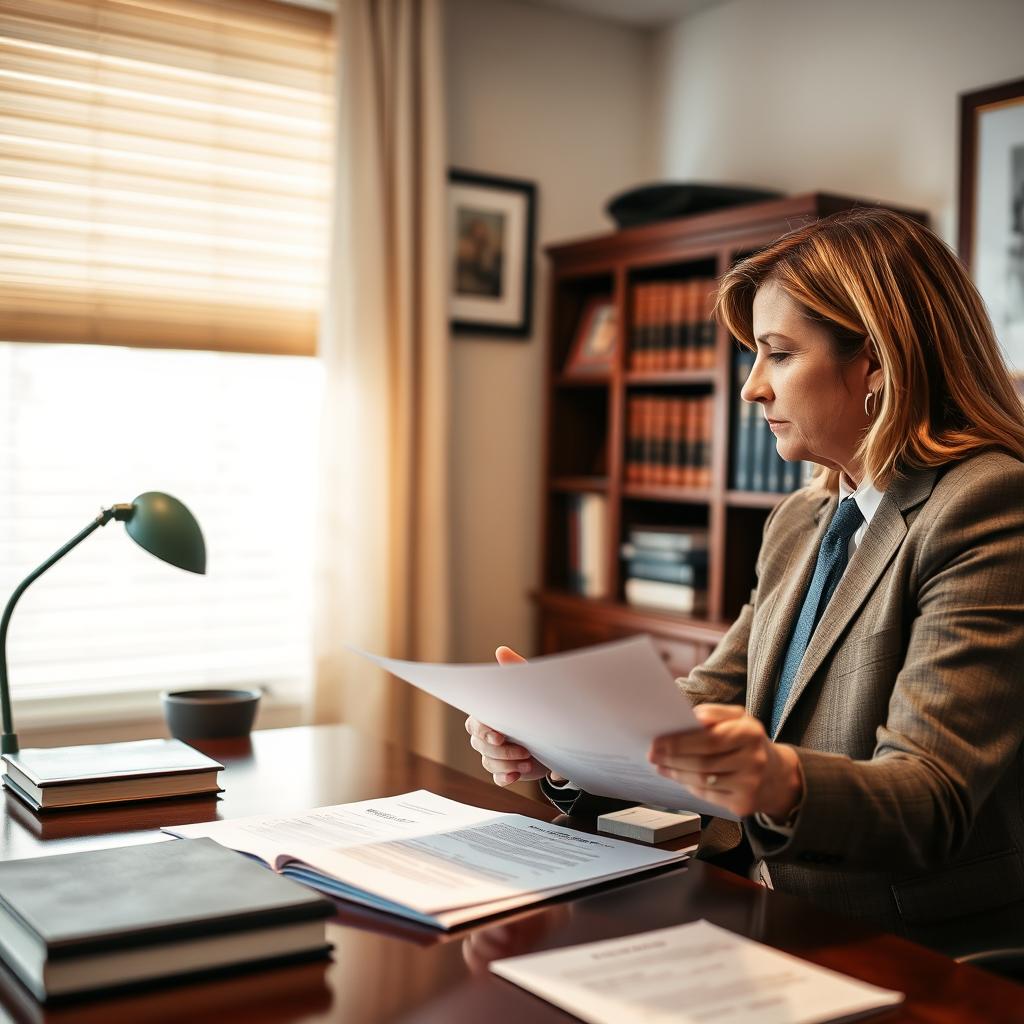
Spousal Support Lawyer Louisa County, VA
Under Virginia law, spousal support — often called alimony — is governed by Va. Code § 20-107.1, which directs courts to weigh multiple statutory factors to decide whether support is warranted, its amount, and its duration. In Louisa County, spousal support can be resolved as part of a divorce in the Louisa County Circuit Court or, when the parties are separated but not yet divorced, through the Louisa County Juvenile and Domestic Relations District Court. Because the analysis is highly fact‑specific and depends on the financial circumstances of both spouses, the quality of the presentation to the court matters. Law Offices Of SRIS, P.C. represents clients in Louisa County spousal support matters from its Richmond location, which serves Louisa, Mineral, Zion Crossroads, and the surrounding communities. For a consultation about your spousal support situation, contact the firm at (888) 437-7747.
Law Offices Of SRIS, P.C. – Advocacy Without Borders.
What Spousal Support Means in Louisa County, Virginia
Virginia is an equitable distribution state, not a community property state. When a marriage ends, the court divides marital property fairly but not necessarily equally under Va. Code § 20-107.3, and it may award spousal support under § 20-107.1. Spousal support is designed to balance the financial needs of one spouse against the other spouse’s ability to pay, with the goal of preventing a sharp disparity in post‑divorce living standards. The law does not create a mechanical formula for support; instead, judges consider identified statutory factors, including the earning capacity of each spouse, the standard of living established during the marriage, the age and health of the parties, the duration of the marriage, and the contributions each spouse made to the family’s well‑being.
Louisa County spousal support cases that arise within a divorce are heard in the Louisa County Circuit Court at 100 West Main Street, Louisa, VA 23093. Standalone support claims — such as those filed while a separation is ongoing but before a divorce complaint is filed — are handled in the Louisa County Juvenile and Domestic Relations District Court. Both courts sit within the Sixteenth Judicial District. Because the factual and financial records presented to the court largely shape the outcome, having counsel familiar with the local bench’s expectations and the county’s procedural rhythms helps ensure that the relevant evidence is put forward thoroughly and the client’s position is clearly presented. Law Offices Of SRIS, P.C. has appeared in Louisa County family law matters for years, and the firm’s Richmond location allows the attorneys to stay closely connected to the county’s courts.
How Mr. Sris and the Firm’s Of Counsel Attorneys Handle Spousal Support Cases
Spousal support disputes often turn on the detail of financial records and the credibility of each party’s testimony. Mr. Sris and the firm’s Of Counsel attorneys approach each case by first building a complete picture of the marital finances — including income, expenses, assets, debts, and potential hidden resources. Where appropriate, the firm works with forensic accountants and vocational evaluators to develop independent analyses that the court can rely on. Once the financial landscape is clear, the attorneys engage in negotiation to pursue a settlement that addresses the supported spouse’s needs without imposing an unsustainable burden on the paying spouse. Many Louisa County spousal support matters are resolved through a written agreement that becomes part of a final divorce decree, reducing the uncertainty and expense of litigation.
When an agreement cannot be reached, the firm’s Of Counsel attorneys prepare the case for trial. They present evidence and argument in the Louisa County Circuit Court or J&DR Court, working to show the judge why a particular amount and duration of support is fair under the § 20-107.1 factors. Throughout the process, the firm focuses on clear communication with the client — explaining how the law applies to the specific facts, what the realistic range of possible outcomes looks like, and what steps the client can take to support a favorable result. Because Mr. Sris maintains a hands‑on role in the firm’s family law practice and the Of Counsel attorneys bring additional depth in financial litigation, clients receive coordinated attention from a team that understands the stakes and the local court environment.
About Mr. Sris and the Firm’s Of Counsel Attorneys
Mr. Sris, Owner and Founder of Law Offices Of SRIS, P.C., has been practicing law since 1997. A former prosecutor, he brings a trial‑tested perspective to family law disputes, understanding how evidence is weighed and how arguments are received by judges. Mr. Sris is admitted to practice in Virginia, Maryland, the District of Columbia, New Jersey, and New York. His legislative experience includes testifying before the Virginia House Courts of Justice Committee in support of 2019 HB 635 (chief patron Del. David Bulova), which addressed equitable distribution procedures in Virginia divorce cases. That experience reflects his close familiarity with Virginia family law statutes and the ways they affect real‑world outcomes.
The firm’s Of Counsel attorneys collectively contribute additional family law experience, including familiarity with complex asset analysis and the enforcement and modification of support orders. Together, Mr. Sris and the firm’s Of Counsel attorneys are able to represent clients in Louisa County spousal support matters from initial advice through trial, if necessary. Every attorney appearing on the firm’s behalf serves as Of Counsel — an independent arrangement that ensures clients benefit from attorneys focused on their case without the constraints of a traditional associate structure.
Frequently Asked Questions About Spousal Support in Louisa County
How is spousal support determined in Virginia?
Virginia courts weigh 13 statutory factors under Va. Code § 20-107.1 to decide spousal support, including the earning capacity, education, and health of each spouse, as well as the standard of living during the marriage. There is no automatic formula; the judge has broad discretion. The paying spouse’s ability to pay and the supported spouse’s need are central, but the court also looks at the duration of the marriage, contributions to the family, and any grounds for divorce that affected the economic circumstances of the parties. In Louisa County, the Circuit Court or J&DR Court will examine evidence presented by both sides before issuing a support order.
Can spousal support be modified after a divorce in Louisa County?
Yes, a spousal support order can be modified if a material change in circumstances occurs, such as a significant change in income or health, unless the original order or a ratified agreement expressly bars modification. Either party may petition the Louisa County court that entered the order to increase, decrease, or terminate support. The party seeking the change must present evidence that the change is substantial, not merely temporary, and that it affects the need for support or the ability to pay. Modification litigation often requires updated financial disclosures similar to those used in the original proceeding.
Does Virginia have a formula for spousal support like child support?
No, Virginia does not use a statutory formula for spousal support; the court considers the statutory factors on a case‑by‑case basis. While some jurisdictions use temporary guideline formulas for pendente lite support, Virginia law vests the judge with discretion to set an amount that is fair under the specific facts. This makes the quality of the financial evidence and argument particularly important. An experienced family law attorney can help present the information in a way that guides the court toward a reasonable figure.
How long does spousal support last in Virginia?
The duration of spousal support depends on the terms of the order; it can be for a defined period, indefinite, or subject to review after a set time. For shorter marriages, support is often ordered for a period equal to one‑half the length of the marriage, but the actual duration is set by the judge based on the § 20-107.1 factors. Indefinite support may be awarded when a spouse is unable to become self‑supporting due to age, disability, or long absence from the workforce. Support usually terminates upon the death of either party or the remarriage of the recipient, unless the order states otherwise.
Do I need a lawyer to negotiate spousal support in Louisa County?
You are not legally required to have a lawyer, but having counsel can help ensure that the support amount fairly reflects the financial realities and that the agreement is enforceable under Virginia law. Many people attempt to negotiate spousal support on their own, only to later discover that an agreed‑upon amount was unsustainable or did not account for all relevant income sources. An attorney can evaluate the full financial picture, identify hidden assets or debts, and draft a binding agreement that will be approved by the court. For a consultation about your Louisa County spousal support matter, reach Law Offices Of SRIS, P.C. at (888) 437-7747.
What if my ex-spouse refuses to pay spousal support ordered by a Louisa County court?
If an ex-spouse fails to pay court-ordered spousal support, you may file a petition for enforcement and, if necessary, a contempt motion in the Louisa County court that issued the order. The court can order wage garnishment, income deduction, the issuance of a judgment for arrears, and in some cases, jail time for willful contempt. Before seeking contempt, it is often worthwhile to attempt resolution through counsel, as the threat of enforcement alone may prompt compliance. An attorney familiar with Louisa County enforcement procedures can guide you through the available remedies.
Related Family Law Resources:
- Family Law Attorney in Fairfax County, VA
- Family Law Attorney in Prince William County, VA
- Family Law Attorney in Manassas, VA
Primary Virginia Authority:
Attorney advertising. Prior results do not guarantee a similar outcome.
Case results depend on a variety of factors unique to each case.