
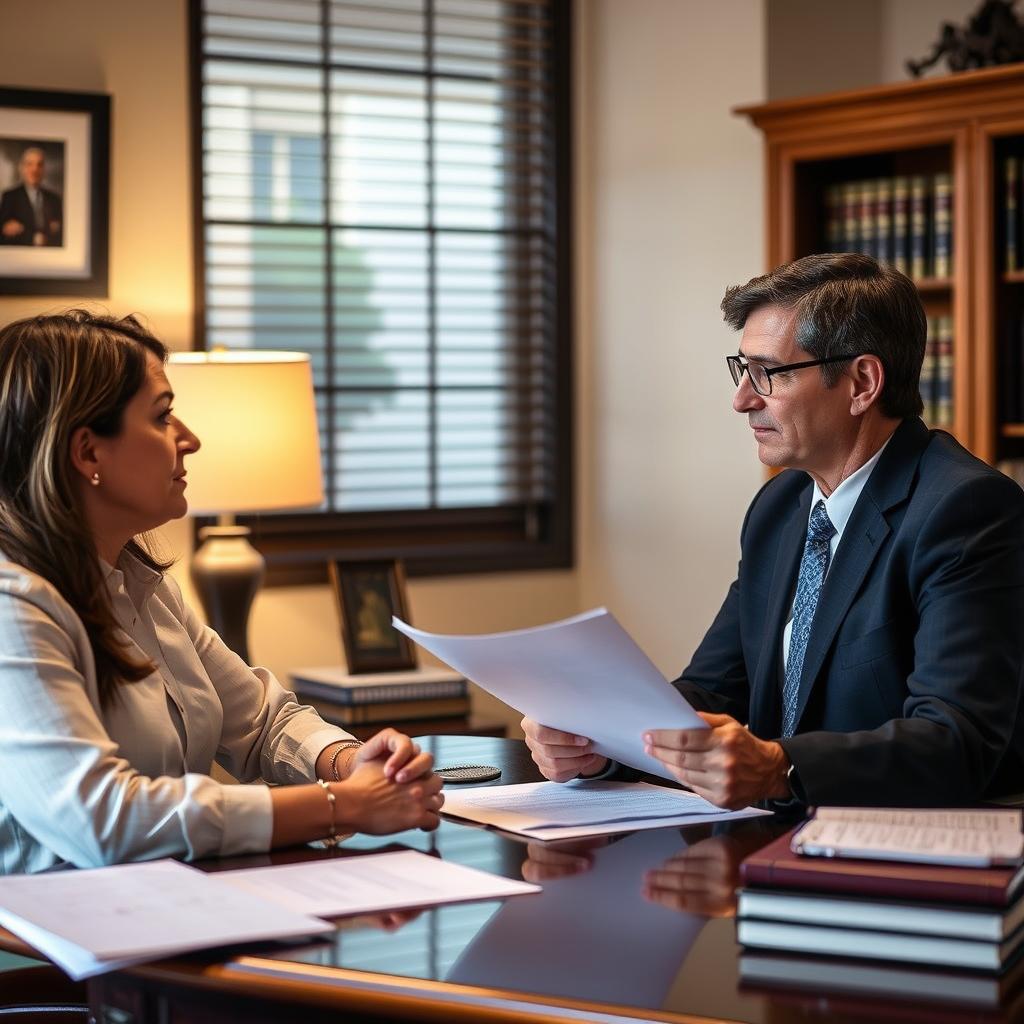
Trial Separation Lawyer Powhatan County, VA
A trial separation allows spouses to live apart while deciding whether to reconcile or proceed with divorce. In Powhatan County, the period of separation and any written separation agreement can define the grounds for a future no‑fault divorce under Va. Code § 20‑91. Mr. Sris, Owner and Founder of Law Offices Of SRIS, P.C., and his Of Counsel team assist clients in Powhatan, Moseley, Flat Rock, and the surrounding Twelfth Judicial District with trial separation planning, separation agreements, temporary support, and custody arrangements. Because the length and terms of a trial separation directly affect property division, spousal support, and parental rights, careful guidance at the outset helps avoid disputes later. For a confidential consultation, reach our location at (888) 437‑7747 or our Richmond location at (804) 201‑9009. Law Offices Of SRIS, P.C. – Advocacy Without Borders.
Understanding Trial Separation in Powhatan County, Virginia
A trial separation is not a formal legal status in Virginia but a practical arrangement in which spouses live apart to evaluate the marriage. Virginia law does not require court approval to begin a separation, but the duration and nature of the separation determine which divorce ground applies. For a no‑fault divorce under Va. Code § 20‑91(9)(a), the parties must have lived separate and apart for one year, or for six months if no minor children are involved and a written separation agreement is in place. The Powhatan County Circuit Court, located at 3834 Old Buckingham Rd, Suite C, Powhatan, VA 23139, holds exclusive original jurisdiction over divorce and equitable distribution. The Powhatan County Juvenile and Domestic Relations District Court handles standalone custody, visitation, child support, and protective orders during the separation period. Mr. Sris and his Of Counsel appear regularly in both courts, guiding clients through the procedural requirements and working to craft settlement terms that protect their interests while the separation is underway.
A well‑drafted separation agreement can resolve property classification, spousal support, child custody, and parenting time without the need for contested litigation. Under Va. Code § 20‑107.3, Virginia is an equitable distribution state, meaning marital assets are divided fairly but not necessarily equally. Issues left unresolved during a trial separation often become the central disputes in a later divorce. Whether you are considering a trial separation, need enforcement of a temporary arrangement, or want to ensure that the separation period is properly documented for a future divorce, speaking with an attorney early can help you avoid missteps that might prolong the process or prejudice your rights.
Frequently Asked Questions
What is a trial separation in Virginia?
A trial separation is an informal arrangement in which spouses live apart to decide whether to reconcile or divorce. Virginia does not recognize “trial separation” as a distinct legal status; instead, the time spent living separate and apart can later serve as the factual basis for a no‑fault divorce ground under Va. Code § 20‑91. During the separation, spouses may negotiate temporary support, custody, and property use, often documented in a separation agreement. The terms agreed upon during a trial separation can significantly influence the final divorce decree, so careful planning with an experienced family law attorney is advised.
How does a trial separation differ from a legal separation?
Virginia law does not provide a separate “legal separation” status; instead, a divorce based on separation requires proof that the parties have lived separate and apart for the statutory period. In a trial separation, couples typically test the separation without filing a divorce complaint immediately, while a “legal separation” in other states might involve a court order formalizing the separation. Under Va. Code § 20‑91(9), the separation period—one year or six months with a signed agreement—serves as the grounds for the eventual divorce. The couple’s intent to remain permanently apart is the key factor that starts the separation clock.
Do I need a separation agreement during a trial separation?
A written separation agreement is not legally required to begin a trial separation, but it is strongly recommended if you intend to use the six‑month ground for divorce or to resolve financial and custody issues. A property settlement agreement, also called a separation agreement, can allocate marital debts, spousal support, parenting time, and the division of assets. Under Va. Code § 20‑109, such agreements are enforceable and can be incorporated into a final divorce decree. Having a clear written agreement reduces ambiguity and can prevent disputes from escalating into contested litigation in Powhatan County Circuit Court.
Can a trial separation affect child custody in Powhatan County?
Yes, the living arrangements and parenting schedule established during a trial separation often shape the custody determination in a later divorce case. Powhatan County Juvenile and Domestic Relations District Court applies the trusted‑interests‑of‑the‑child factors listed in Va. Code § 20‑124.3, which include each parent’s role in the child’s life and their willingness to support the child’s relationship with the other parent. During a separation, courts may enter temporary custody and visitation orders to provide stability. A parenting plan negotiated during the trial separation can later become the permanent custody arrangement if it serves the child’s best interests.
How long must a separation last before filing for divorce in Virginia?
If the spouses have no minor children and have signed a separation agreement, the required separation period is six months; otherwise, the period is one year. These timeframes are set out in Va. Code § 20‑91(9)(a) and (9)(b). The separation must be continuous, with the intent that the marriage is permanently ended. Even a brief attempt at reconciliation can reset the clock. An attorney can help you properly document the start date of separation and ensure that the divorce complaint filed in Powhatan County Circuit Court satisfies the statutory requirements.
What are the grounds for divorce based on separation in Virginia?
Virginia allows a no‑fault divorce after the parties have lived separate and apart for the statutory period, either one year or six months with a separation agreement and no minor children. The no‑fault ground is codified in Va. Code § 20‑91(9). In addition to the separation ground, Virginia still recognizes fault grounds such as adultery, cruelty, and desertion, but many couples choose the no‑fault route to avoid contentious litigation. The complaint for divorce must be filed in circuit court, and at least one corroborating witness is required to confirm the separation at the final hearing.
How does the Powhatan County Circuit Court handle a separation‑based divorce?
The Powhatan County Circuit Court oversees the entire divorce process, including the acceptance of the complaint, the scheduling of a hearing, and the entry of a final decree. The court is part of the Twelfth Judicial District and is located at 3834 Old Buckingham Rd, Suite C, Powhatan, VA 23139. In an uncontested divorce based on separation, the hearing is typically brief, and the judge reviews the separation agreement, confirms the statutory waiting period, and incorporates the agreement into the decree. Contested matters involving equitable distribution and support may require additional evidentiary hearings.
What is the benefit of working with a trial separation lawyer?
A trial separation lawyer helps you navigate the separation period strategically so that the eventual divorce proceeds as smoothly as possible and your rights are safeguarded. Mr. Sris and his Of Counsel team can assist in drafting a comprehensive separation agreement, negotiating temporary support, and advising on the documentation needed to prove the separation start date. By resolving issues early, you can often avoid costly litigation and reduce the emotional strain on your family. Early legal intervention also clarifies what steps you should—and should not—take during the separation to protect your financial and parental interests.
Should I move out during a trial separation in Virginia?
Whether you move out depends on your specific circumstances, but it can affect property rights, custody claims, and the start of the separation period. If you leave the marital home, you should first address how mortgage, utilities, and other household expenses will be paid. A written separation agreement can establish these terms and help avoid a claim of desertion. In some cases, remaining in the home while living separate lives—for example, sleeping in separate bedrooms and maintaining separate finances—may be sufficient to start the separation clock, though it can complicate the proof later. An attorney can advise on the trusted course for your situation.
How is marital property divided after a separation in Virginia?
Virginia follows equitable distribution, meaning marital property is divided fairly after considering 11 statutory factors under Va. Code § 20‑107.3, not necessarily a 50/50 split. Assets acquired during the marriage are presumptively marital, while property owned before the marriage or received as a gift or inheritance is typically separate. The separation agreement can specify how the couple intends to divide property, and the court will generally honor the agreement unless it is unconscionable. If no agreement exists, the judge will weigh factors such as each spouse’s contributions, the duration of the marriage, and the circumstances experienced to the separation.
How much does a trial separation lawyer cost in Powhatan County?
Fees vary depending on the complexity of your case and the services needed, such as drafting a separation agreement, negotiating support, or litigating contested issues. At Law Offices Of SRIS, P.C., Mr. Sris and his Of Counsel offer consultations to discuss the scope of representation. Many separation matters can be handled on a flat‑fee basis for the agreement and uncontested divorce, while litigation is usually billed hourly. To receive a fee estimate specific to your situation, reach our location at (888) 437‑7747 and speak with our team.
About Mr. Sris and His Of Counsel Team
Mr. Sris, Owner and Founder of Law Offices Of SRIS, P.C., has practiced since 1997 and is admitted in Virginia, Maryland, the District of Columbia, New Jersey, and New York. A former prosecutor, Mr. Sris testified before the Virginia House Courts of Justice Committee in support of 2019 HB 635 (chief patron Del. David Bulova). He is joined by Of Counsel attorneys who bring extensive family law, criminal, and civil litigation experience. Together, Mr. Sris and his Of Counsel have over 120 years of combined legal experience. Results may vary. The firm has documented 4,739+ case results since 1997. For a consultation, reach our location at (888) 437‑7747 or contact our Richmond location at (804) 201‑9009.
Related Pages: Fairfax County Family Law | Prince William County Family Law | Falls Church Family Law
Primary Sources: Virginia Code Title 20 (Domestic Relations) | Powhatan County Courts | Virginia Judicial System
Attorney advertising. Prior results do not guarantee a similar outcome.
Results may vary.
Case results depend on a variety of factors unique to each case.