
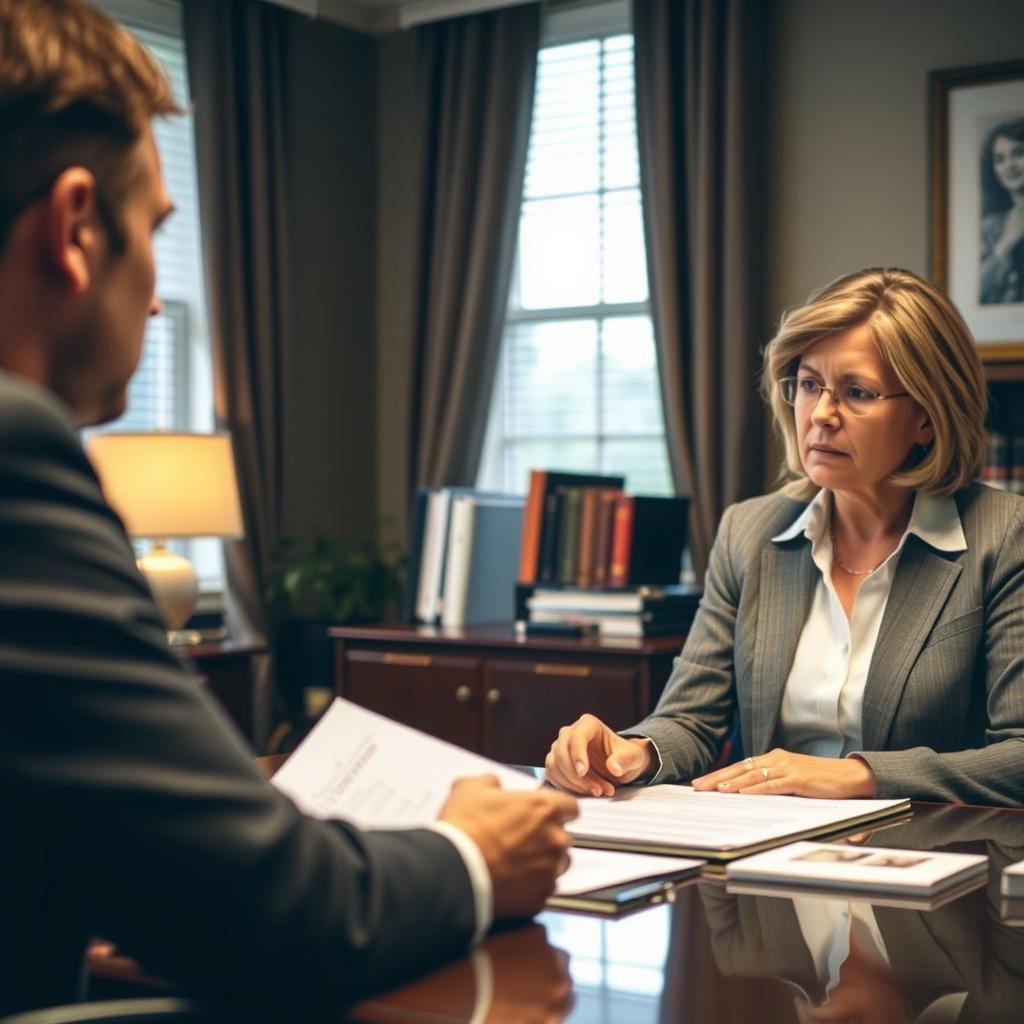
Visitation Lawyer Goochland County, VA
Child visitation is often one of the most contested aspects of family law proceedings. When parents separate or divorce, establishing a fair and workable visitation schedule can be emotionally charged. In Goochland County, Virginia, the court’s primary concern is the well-being of the child, and any visitation order must serve that best‑interest standard. At Law Offices Of SRIS, P.C., Mr. Sris and his Of Counsel team work with parents and grandparents throughout Goochland County — including Goochland, Crozier, and Oilville — to protect their time with the children they love. Whether you need an initial visitation order, a modification, or enforcement of an existing order, our team can advise you on your rights under Virginia law. Reach us at (888) 437-7747 to schedule a consultation. Law Offices Of SRIS, P.C. – Advocacy Without Borders.
What Visitation Means in Goochland County
Visitation — frequently called “parenting time” — is the right of a non‑custodial parent (or, in limited circumstances, a grandparent or other person) to spend time with a child. In Goochland County, standalone visitation matters are heard in the Goochland County Juvenile and Domestic Relations District Court, located at 2938 River Road West. When visitation is part of a larger divorce or custody action, the Goochland County Circuit Court retains jurisdiction. Both courts follow the same statutory framework: Virginia Code § 20‑124.2 and the trusted‑interest factors listed in § 20‑124.3 guide every decision.
Goochland County sits within the Sixteenth Judicial District, with a legal community that emphasizes careful case preparation. The judges expect parties to present reasonable proposals that prioritize the child’s stability. Because the county includes rural areas where transportation and scheduling can be practical challenges, visitation orders here often address specifics such as pick‑up/drop‑off locations, holiday schedules, and summer break arrangements. An experienced family law attorney who understands local court expectations can help you craft a plan that works logistically and is likely to be accepted by the judge.
The visitation process typically begins when one parent files a petition with the court. In the Juvenile and Domestic Relations District Court, cases move through an initial hearing where the judge may encourage the parties to reach an agreement. If no agreement is reached, the matter proceeds to a contested hearing. At that hearing, both sides present evidence about the child’s needs, each parent’s living situation, and any factors that bear on the child’s welfare. The court may also consider input from a guardian ad litem if one has been appointed to represent the child’s interests. Understanding each stage of this process can help parents prepare emotionally and practically for what lies ahead.
Parents should also be aware that Virginia law does not presume that one parent is entitled to more visitation than the other based solely on gender, income, or occupation. The court evaluates each case on its own facts. Factors such as a parent’s willingness to support the child’s relationship with the other parent, any history of family abuse, and the child’s own reasonable preferences — if the child is old enough to express them — all play a role in the court’s decision. Being familiar with these factors can help a parent present relevant evidence and avoid arguments that do not carry weight under the statutory framework.
How Mr. Sris and His Of Counsel Handle Visitation Cases
When a client comes to us with a visitation issue, the first step is a thorough conversation about the family’s situation. We gather the existing custody or visitation order, if there is one, and discuss the child’s routine, school schedule, and any safety concerns. Our team then outlines the legal standard — the best interests of the child — and explains how the facts of the case align with the factors a Goochland County judge will evaluate.
If the matter is amicable, we help draft a detailed visitation agreement that can be entered as a consent order. When disputes cannot be resolved privately, we prepare for a contested hearing. That preparation includes organizing evidence, identifying potential witnesses, and framing the argument in terms the court can readily apply. Because Mr. Sris is a former prosecutor, the team brings a courtroom perspective that is particularly useful when cross‑examining witnesses or challenging allegations. At every stage, we keep the focus on the child’s welfare and on building a visitation arrangement that can endure as the child grows.
Beyond the courtroom, our approach includes helping clients understand the practical realities of co‑parenting under a visitation order. We discuss how to communicate effectively with the other parent about schedule changes, how to handle conflicts that arise during pick‑ups and drop‑offs, and how to document interactions in case future court intervention becomes necessary. We also help clients anticipate common issues — for example, how to handle a situation where the other parent is consistently late or cancels visits at the last minute. Having a clear plan for these scenarios can reduce stress and help parents stay focused on their children rather than on interpersonal conflict.
In some cases, a visitation dispute involves allegations that require a more intensive approach — such as claims of substance abuse, domestic violence, or neglect. When those issues arise, our team works to gather the relevant evidence, which may include medical records, police reports, witness statements, or testimony from mental health professionals. We understand how to present sensitive information to the court in a way that is factual and focused on the child’s safety, without unnecessarily escalating conflict. The goal in every case is to achieve a resolution that protects the child while preserving the parent‑child relationship to the fullest extent possible under the circumstances.
About Mr. Sris and His Of Counsel Team
Mr. Sris, Owner and Founder of Law Offices Of SRIS, P.C., has practiced family law in Virginia since the firm’s founding in 1997. A former prosecutor, he brings a strong litigation background to visitation cases, whether they involve straightforward scheduling disputes or more complex allegations requiring careful courtroom strategy. Mr. Sris is admitted in Virginia, Maryland, the District of Columbia, New Jersey, and New York, and he works personally with each Of Counsel attorney to ensure that every visitation matter receives close, thoughtful attention.
The firm’s Of Counsel attorneys complement Mr. Sris’s experience. Together, they serve clients from the firm’s Richmond location, which handles matters throughout Goochland County and the surrounding areas. The team’s multi‑state background means they are comfortable navigating cross‑jurisdictional issues when one parent lives outside Virginia. Our attorneys speak English, Spanish, and Tamil, helping families from diverse communities feel fully informed.
Clients working with our firm can expect direct communication throughout their case. We return phone calls, respond to emails, and keep clients updated on court dates, filing deadlines, and any developments that may affect their visitation rights. We recognize that family law matters often move slowly through the court system, and that uncertainty about the process can add to the stress parents already feel. By providing clear explanations and realistic timelines, we aim to give clients the information they need to make sound decisions at each step.
Frequently Asked Questions
How is visitation different from custody in Virginia?
Custody refers to the legal authority to make major decisions for a child, while visitation (parenting time) is the actual schedule during which the non‑custodial parent spends time with the child. In Goochland County, a parent may have joint legal custody but still need a defined visitation schedule if the child primarily resides with the other parent. The court can order supervised visitation if there are safety concerns, or unrestricted parenting time when appropriate. The goal is always to craft an arrangement that serves the child’s best interests.
Can a grandparent seek visitation in Goochland County?
Under Virginia Code § 20‑124.2, a grandparent may petition for visitation in limited circumstances, such as when a parent has died, been incarcerated, or been found unfit. The court must also find that visitation is in the child’s best interests. Grandparent visitation cases are heard in the Goochland County Juvenile and Domestic Relations District Court. Because the legal standard is narrow, having experienced legal counsel is essential to present the necessary evidence and meet the statutory requirements.
What if the other parent is not following the visitation order?
You can file a motion for enforcement or a rule to show cause in the Goochland County court that issued the original order. The court can impose remedies such as make‑up visitation time, changes to the schedule, or, in serious cases, contempt sanctions. It is important to document every missed visit and communicate clearly in writing. Our team can help you gather the proof and present a compelling case to the judge.
How do I modify a visitation order in Goochland County?
A modification requires proof of a material change in circumstances since the last order, and that the proposed change serves the child’s best interests. Common reasons include a parent relocating, a change in the child’s school or health needs, or a parent’s remarriage. You will file a motion in the court that retains jurisdiction, typically the Goochland County Juvenile and Domestic Relations District Court. The judge will hold a hearing and weigh the evidence before deciding whether to alter the existing schedule.
Do I need a lawyer for a visitation case if we agree on everything?
Even when parents agree, having a lawyer draft or review the visitation agreement can prevent future misunderstandings and ensure the document is enforceable. In Goochland County, a submitted consent order becomes binding once the judge signs it. An experienced attorney can make sure the agreement covers all necessary details — holidays, transportation, communication methods — and complies with Virginia law. This small investment can avoid litigation years later.
What is a guardian ad litem and when is one appointed in a visitation case?
A guardian ad litem is an attorney appointed by the court to represent the child’s best interests in a custody or visitation proceeding. In Goochland County, a judge may appoint a guardian ad litem when there are concerns about the child’s welfare, when allegations of abuse or neglect arise, or when the parents’ accounts of the facts differ significantly. The guardian ad litem conducts an independent investigation — interviewing the child, parents, and other relevant individuals — and makes a recommendation to the court. While the judge is not bound by that recommendation, it often carries significant weight. Understanding the guardian ad litem’s role can help parents cooperate with the investigation and present their side of the story effectively.
How long does a visitation case take in Goochland County?
The timeline for a visitation case depends on whether the matter is contested, the court’s docket, and whether a guardian ad litem is appointed. An uncontested case where both parents agree on a schedule may be finalized in a matter of weeks once the consent order is submitted to the judge. A contested case typically takes longer — often several months — because it involves discovery, possible mediation, and a trial date set according to the court’s availability. If a guardian ad litem is involved, the investigation can add additional weeks to the process. Parents should be prepared for the possibility that the legal process will require patience, and should avoid making unilateral changes to the existing arrangement while the case is pending unless an emergency situation requires immediate court intervention.
What should I bring to an initial consultation about a visitation matter?
Bringing organized documentation can make an initial consultation more productive and help an attorney assess the strengths and challenges of your case. Useful documents include any existing custody or visitation orders, court filings from prior cases, communication records with the other parent — such as text messages, emails, or parenting app logs — a calendar showing missed visits or schedule disputes, and any records from police, doctors, or schools that are relevant to the child’s well‑being. If you have a list of questions or concerns prepared in advance, it can also help focus the conversation. The more complete the picture you can provide, the better an attorney can advise you on the likely path forward.
For more information about family law in other Virginia localities, see the following pages:
- Family Law Lawyer Fairfax County, VA
- Family Law Lawyer Prince William County, VA
- Family Law Lawyer Richmond, VA
- Family Law Lawyer Chesterfield County, VA
- Family Law Lawyer Henrico County, VA
For primary legal resources, review:
- Virginia Code Title 20 – Domestic Relations
- Goochland County General District Court
- Virginia’s Judicial System
Attorney advertising. Prior results do not guarantee a similar outcome.
Results may vary.
Case results depend on a variety of factors unique to each case.